
Analysis of Open Championship Links Courses
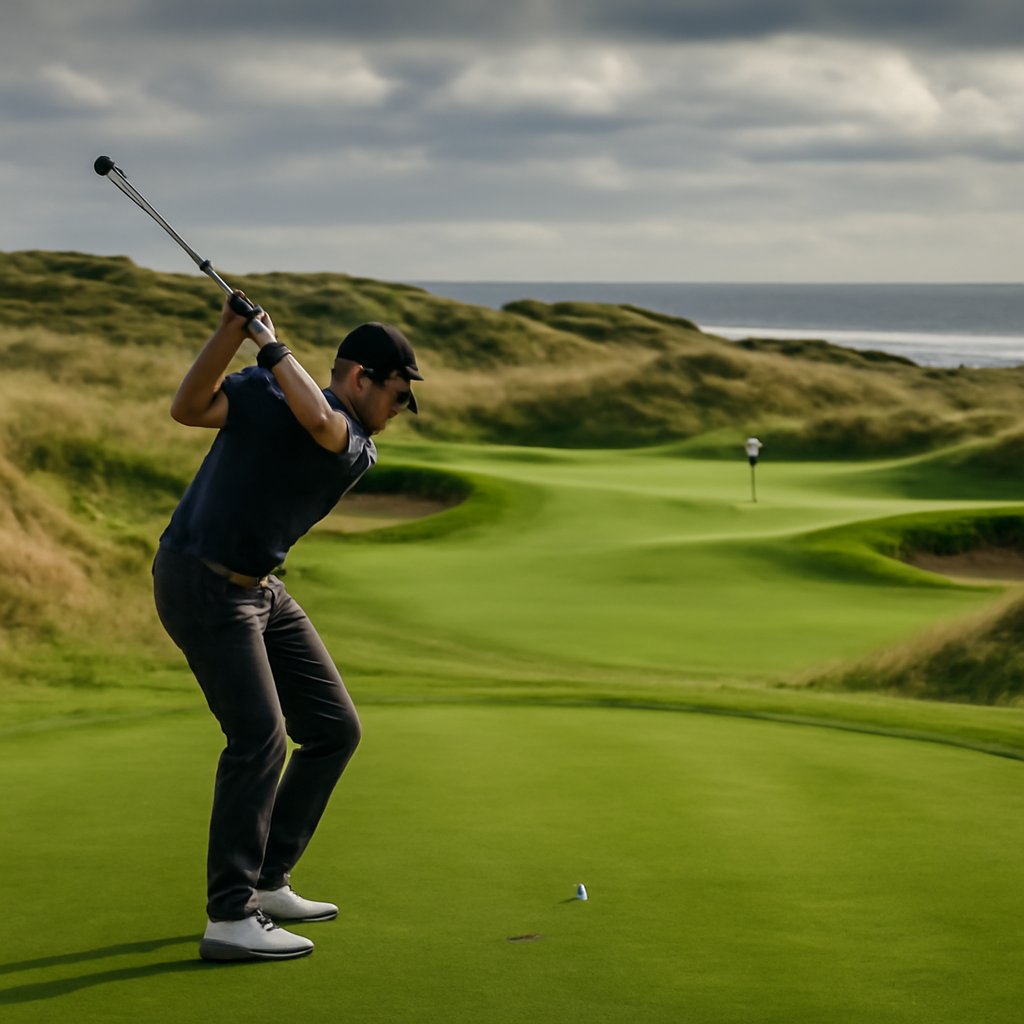
There’s something utterly captivating about the windswept links that define The Open Championship, golf’s most historic major. These seaside layouts, so unlike the lush parkland courses that dominate the PGA Tour, call for a blend of precision, creativity, and sheer mental grit—qualities that emerge most vividly when the breeze kicks up and the ground firms beneath your feet. As someone who follows the LPGA closely, I often find myself drawing parallels to how our top players adapt to similar conditions in their own majors, where strategy trumps brute force every time.
Links golf reaches back to 15th-century Scotland, with The Open itself launching in 1860 at Prestwick. Early venues like the Old Course at St Andrews set the tone, favoring natural contours over manufactured drama. Across more than 150 years, the rota has embraced legends such as Royal Troon, Muirfield, and Royal Birkdale, each etching unforgettable moments into the championship’s story. When I played that stretch of coastal dunes near St Andrews last spring, the scent of salt air mixed with the crisp crunch of firm turf underfoot reminded me why these places feel alive in a way inland courses rarely match.
The shift from simple fairways to carefully tended links mirrors golf’s broader evolution. St Andrews welcomed its first Open in 1873, codifying those fast, running conditions that expose any wayward shot. Later stops like Carnoustie and Royal St George’s added their own twists—deep bunkers here, blind approaches there—shaping how players today prepare for the unique rhythm of links play. The evolution of course conditioning over the decades has transformed how tournaments are won; early Opens saw winning scores regularly at +10 or higher, whereas modern championship management has tightened that spread considerably.
What sets these courses apart are the rolling dunes, pot bunkers, and tight lies that reward imagination over raw power. Coastal winds turn even par-5s into puzzles, constantly forcing fresh club choices. When the gusts build, keeping the ball low and leaning on bump-and-run shots around the greens becomes essential, along with reading those subtle breaks on baked putting surfaces. I remember one afternoon on a similar Baltic links course years ago, chasing a low runner that skittered 40 yards farther than expected; the sensory thrill of that rolling ball is what draws travelers like me back again and again.
The architecture of links courses reflects centuries of refinement without intervention. Unlike parkland designs, where architects reshape terrain dramatically, links layouts work within nature’s framework. The deep bunkers—often called “character bunkers”—feature high lips and sandy bases that genuinely threaten scoring. Players must study bunker placement obsessively during practice rounds; a shot that clears one bunker by five yards might find sanctuary, while the same shot a yard shorter disappears into sand. The Old Course’s famous Road Hole bunker has swallowed countless dreams, positioned so cunningly that even knowing its location doesn’t guarantee escape.
Weather shapes everything. Firm ground lets shots carry 30-50 yards beyond normal range, so accurate positioning and smart course management matter more than distance. Holes like the Postage Stamp at Royal Troon become tests of patience rather than power. The interaction between ball flight and ground conditions creates scenarios unknown on most American courses. A 7-iron that normally stops quickly transforms into a penetrating instrument that bounds forward relentlessly. This demands a complete recalibration of club selection; professionals often use one or two clubs longer than they would on manicured parkland, accounting for how the firm turf releases the ball.
The specific challenges of individual courses within the Open rotation each demand unique preparation. Royal Troon stretches along the Ayrshire coast with severe rough that punishes wayward shots with almost brutal efficiency. Carnoustie’s infamous Barry Burn has destroyed major championship dreams, threading through multiple holes like a punishment waiting to happen. Royal St George’s, set in the Kentish dunes, presents some of the blindest approaches in championship golf—players must trust their yardages and accept that they cannot see their targets. Turnberry’s clifftop setting creates wind patterns that shift unpredictably, turning even steady breezes into strategic nightmares.
History shows how certain players thrive here. Tiger Woods captured three Opens by merging his length with genuine links feel, while Jordan Spieth’s 2017 win at Royal Birkdale highlighted his knack for scrambling from the dunes. Rory McIlroy and Collin Morikawa have both refined their approaches, the latter’s 2021 triumph at Royal St George’s underscoring the value of crisp iron play. Caddies often stress staying calm when winds top 30 mph, and the mental resilience of past champions turns potential bogeys into momentum shifts. The caddie’s role becomes exponentially more important in links conditions; these professionals understand subtleties of wind direction, ground firmness, and break patterns that can swing tournaments.
St Andrews has hosted The Open 30 times, more than any other venue. Links layouts average 112 bunkers, well above typical PGA Tour designs. Winning scores tend to sit just 1-2 strokes under par despite the firmness. Winds above 25 mph have factored into 60 percent of Opens since 2000, and players averaging under 280 yards off the tee frequently outperform the bombers. Since 2010, five different nationalities have lifted the Claret Jug on these courses, and practice rounds show a 15 percent bump in scrambling for those who adapt quickly.
The modern Open Championship rota now includes courses like Royal Portrush and Royal Liverpool, ensuring that the championship rotates among the finest links venues in the United Kingdom and Ireland. Each iteration of the rota brings fresh drama while honoring the championship’s Scottish roots. Qualification to play links courses at this level separates world-class golfers from specialists; the mental fortitude required to execute under such conditions, with history swirling around you and conditions constantly evolving, represents the ultimate test in professional golf.
Spectators who travel to follow The Open encounter an entirely different atmosphere than American majors. The galleries move differently, applaud differently, and seem to understand links golf instinctively. Many have grown up playing similar courses, and the roar when a player executes a magnificent recovery shot carries genuine appreciation for technique. The weather becomes part of the spectacle—sudden squalls that drench the course, followed by moments of crystalline clarity where visibility stretches for miles across the Irish Sea or North Sea.
In the end, these links remain the sternest examination in major golf, weaving together centuries of tradition with the daily demands of wind, turf, and imagination. They continue to reward those willing to explore their nuances, offering lessons that resonate whether you’re chasing a major or simply savoring another round by the sea.