
The Rise of Wyndham Clark: From College Standout to US Open Champion
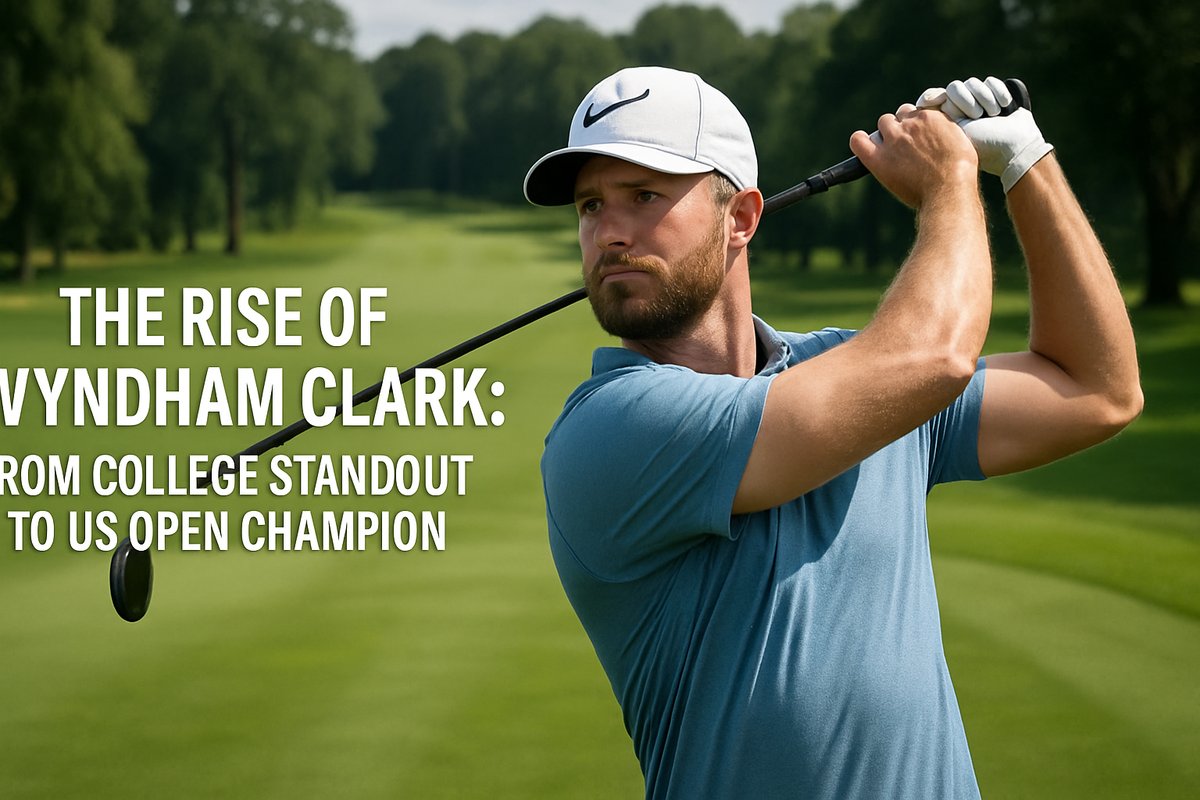
There’s something about golf that pulls you in with its quiet surprises—the way a breeze shifts across an open fairway or the crisp snap of a well-struck iron on a dewy morning. Wyndham Clark’s journey from college standout to US Open champion captures that same spirit, reminding me how persistence unfolds in the most unexpected places. As someone who follows the LPGA closely, I’ve seen similar arcs in women’s golf where steady growth turns into something remarkable.
Clark’s early years at the University of Oregon laid a solid base. He posted strong results, claiming a couple of event wins and all-conference honors while teammates admired his reliable ball striking. Still, other parts of his game needed refinement. After earning his degree, he stepped into professional golf carrying that campus foundation forward. Those rounds on college courses taught him to manage pressure in team settings, skills that translate beautifully when the stakes rise on bigger stages. His coach often highlighted the quiet work ethic that set him apart.
During his college years, Clark developed a reputation for consistency and mental toughness that would serve him well in professional competition. The Pac-12 Conference provided stiff competition, forcing him to elevate his game regularly. Playing alongside some of the nation’s top amateur talents sharpened his competitive instincts and taught him valuable lessons about course management under pressure. The mentorship he received from Oregon’s coaching staff emphasized fundamental technique and strategic thinking—lessons that remained central to his approach even after turning professional.
The shift to pro golf brought its share of ups and downs. Clark navigated time between the Korn Ferry Tour and PGA Tour opportunities, securing his card only to lose it again. A 2019 win on the developmental circuit offered renewed momentum, though consistency remained a challenge. By 2022, better finishes emerged more regularly, with top tens appearing often enough to draw sponsor attention. Equipment tweaks helped tighten his approach shots and reduce dispersion.
What made this period particularly instructive for Clark was learning how to process failure constructively. Rather than viewing lost tour cards as setbacks, he approached each stretch on the Korn Ferry Tour as an opportunity to refine specific elements of his technique. He worked extensively with swing coach Jamie Mulligan to optimize his ball striking, focusing on consistency off the tee and precision with mid-irons. These technical improvements, while unglamorous, created the foundation necessary for sustained success at golf’s highest level. Clark’s willingness to invest time in deliberate practice—rather than simply playing tournament after tournament—distinguished him from peers who struggled with similar challenges.
That breakthrough arrived in 2023 at the Wells Fargo Championship, his first PGA Tour victory after years of close calls. The power in his drives paired with calm putting stood out, and a strong showing shortly afterward built real confidence heading into June. Practice rounds alongside top players refined his course management, shifting focus from raw distance to smarter angles and lower scores. This first victory proved psychologically significant—not just for the trophy and financial reward, but for the validation that his years of grinding had purpose. Clark’s composed demeanor in that final round demonstrated the mental resilience he’d cultivated through earlier disappointments.
In the weeks between his Wells Fargo triumph and the US Open, Clark maintained a measured approach. Rather than chasing high finishes everywhere, he selectively chose tournaments that suited his game and allowed adequate preparation time. This strategic tournament selection reflected maturation in how he managed his schedule and energy. He spent time on the practice range focusing on hitting fairways—a cornerstone of success at the US Open where accuracy matters more than distance. His team also spent hours analyzing Los Angeles Country Club’s setup, studying past championships held there, and identifying key strategic positions that would yield scoring opportunities.
The 2023 US Open at Los Angeles Country Club presented firm greens and demanding rough that challenged the field. Clark held steady around par while others slipped, then surged ahead on the final day. A clutch putt on the 72nd hole secured his one-shot victory. At age 29, that Sunday run showcased his sharpened short game, with family and coaches sharing in the emotion after supporting him through tougher stretches. The way Clark handled the pressure on the back nine—particularly on holes 16, 17, and 18—revealed a player who had grown comfortable in uncomfortable situations. His ability to stay present and execute shots when others might have wavered distinguished his performance throughout that week.
Beyond the final round theatrics, Clark’s entire performance at the US Open exemplified how much his game had evolved. His driving accuracy ranked among the best in the field, and his approach shots, particularly with long irons, positioned him for manageable putts throughout the week. The short game work he’d invested in over prior months manifested in clutch chips and putts when tournaments were decided. The mental calm he projected—visible in his controlled body language and steady breathing between shots—suggested a player who had internalized lessons from years of adversity.
Post-win reflections from Clark emphasized daily routines over any sudden leap in talent, and he maintained the same practice habits even as new sponsors appeared. This disciplined mindset prevented the complacency that derails many winners after their first major. Instead of resting on his laurels, Clark committed to the same rigorous preparation that had gotten him there. Interviews following his victory consistently returned to themes of gratitude, humility, and appreciation for those who stood by him during leaner years. His parents, college coaches, and professional support team had invested considerably in his success—faith that finally yielded tangible results.
The significance of Clark’s US Open victory extended beyond personal achievement. His win demonstrated that major championships aren’t exclusively reserved for players who dominate the amateur circuit or burst onto the professional scene immediately. Instead, his path proved that sustained commitment, adaptability, and resilience can ultimately prevail. For young golfers following similar trajectories—finding success elusive despite clear talent and dedication—Clark’s story offered genuine inspiration.
Looking ahead, Clark stands among the game’s elite with a major on his record. Future tournaments will reveal if this win fuels a sustained climb. His path echoes what I’ve felt walking unfamiliar courses abroad—the quiet stretches between highlights where small adjustments build into something lasting. True growth in golf often hides in those in-between moments, where persistence compounds quietly until the timing feels just right. With a major championship established and the confidence that accompanies such achievement, Clark appears positioned to compete for additional titles in coming years. Whether he becomes a multi-major winner or remains a one-time champion, his journey stands as testament to the power of unwavering commitment in an unforgiving sport.