
Xander Schauffele Breakthrough Major Victories
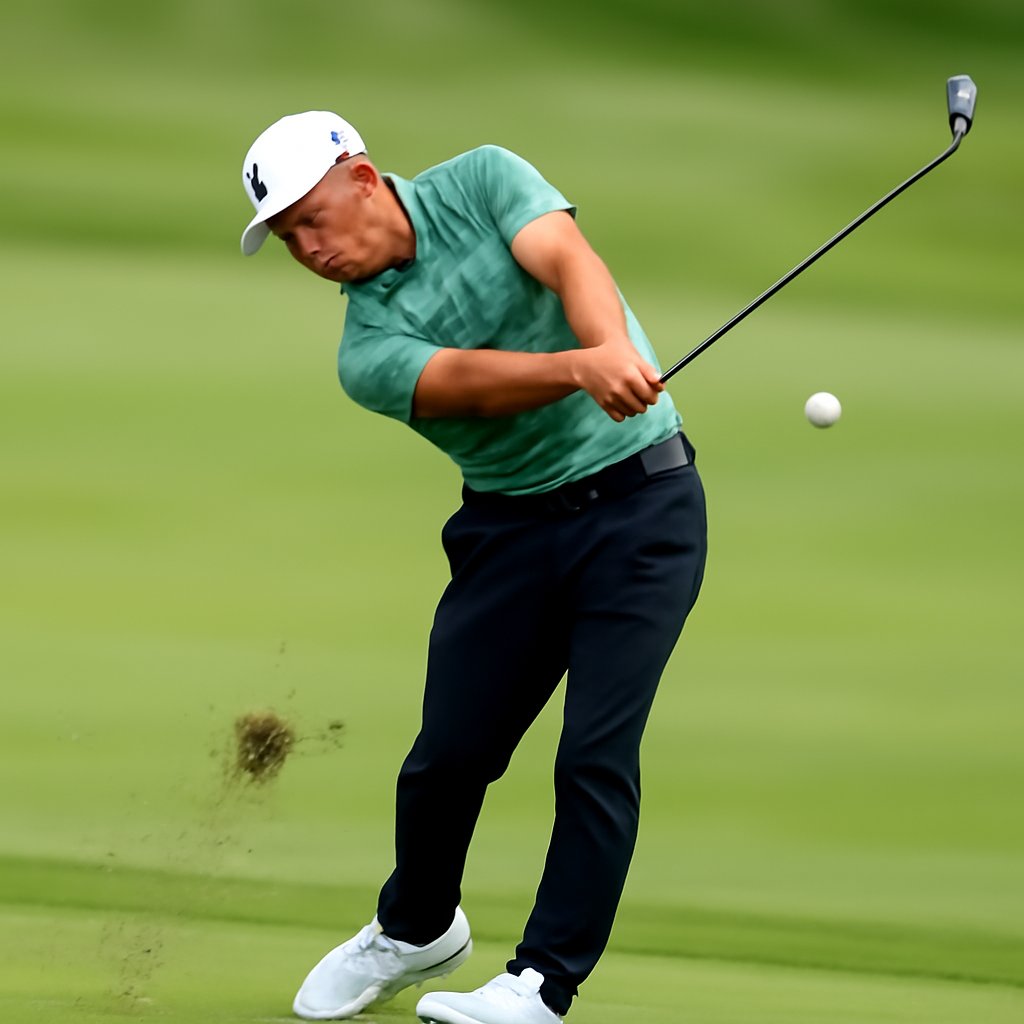
There’s something magical about chasing golf’s biggest stages, especially when the journey unfolds across continents and climates that test every sense. Xander Schauffele’s path to those two major wins in 2024 feels like the kind of story you savor while sipping tea on a windswept links or strolling a sun-baked Kentucky fairway. After years of close calls on the PGA Tour, he finally broke through, claiming the PGA Championship at Valhalla Golf Club and The Open Championship at Royal Troon. Those victories ended a long wait and highlighted his steady ball-striking and calm focus under pressure, lessons any player can carry into their own high-stakes rounds.
Schauffele turned pro in 2015 following a strong run at San Diego State. Early on he piled up top-10 finishes and grabbed his first PGA Tour win at the 2017 Tour Championship. He kept knocking on major doors—T2 at the 2018 Masters, another near-miss at the 2019 Open—but the titles stayed just out of reach until 2024. That stretch revealed his sharp iron play and dependable short game, details I often study when I’m working on my own approach shots during travels.
His father Stefan, once an aspiring pro himself, instilled the core fundamentals. Schauffele’s practice leans on alignment sticks and video review, tools that help amateurs chase that same steady rhythm. By keeping the focus on process rather than outcomes, he built the composure needed for those eventual breakthroughs. As someone who follows the LPGA closely, I notice the same patient mindset in players who grind through early career hurdles before their own big moments arrive.
When the first major arrived at the 2024 PGA Championship, Valhalla’s Kentucky setting delivered the kind of humid embrace that clings to your skin and makes every swing feel deliberate. Schauffele posted rounds of 62-68-68-65 for 21-under par, a new major scoring record. He held off Bryson DeChambeau and Collin Morikawa with pinpoint driving and steady putting down the stretch. The win lifted him briefly to world number one and added fresh energy to PGA Tour conversations.
His strategy there—favoring controlled fades over risky lines—offers a quiet reminder to prioritize position. I thought of that same measured approach when I played a similar parkland layout last spring, choosing safer angles instead of chasing every yard. The 62 in the opening round at Valhalla stands as one of the most impressive single rounds in major championship history, showcasing his ability to capitalize on favorable conditions while maintaining focus across 18 holes.
Just weeks later came the Open at Royal Troon, where the Scottish wind carried the sharp scent of sea salt and saltgrass across the links. Schauffele closed with a 65 to win by two over Justin Rose and Billy Horschel. Adapting to the firm turf and pot bunkers, he punched low 3-wood shots off the tee and used bump-and-run chips around the greens. That versatility shone in variable weather, something I’ve felt firsthand on windswept courses in Ireland and Scotland. His visualization routines kept everything steady while history beckoned.
The contrast between those two major venues speaks volumes about Schauffele’s technical range. While Valhalla rewarded aggressive play and pristine conditions, Royal Troon demanded defensive creativity and shot-shaping precision. Few players in the modern game transition so smoothly between American parkland courses and Scottish links layouts. His ability to adjust his ball flight, club selection, and mental approach within weeks of each other reveals a depth of understanding that separates major champions from tour regulars.
During his 2024 campaign, Schauffele also demonstrated improved resilience in handling pressure moments. At Valhalla, he managed a three-shot lead entering the final round and never faltered despite the presence of hungry competitors. At Royal Troon, he weathered uncertain conditions and maintained composure through the back nine when the championship hung in balance. That mental toughness, built through years of near-misses and learning experiences, finally crystallized into sustained excellence.
Those back-to-back titles placed him among recent multiple-major winners and set him up as a regular favorite moving forward. After more than 20 major starts, the persistence paid off. Analysts expect more success ahead, especially if he keeps sharpening his wedge game. His short-iron accuracy, which hovered around 68 percent throughout his career, became a particular weapon during the major-winning stretch, climbing above 72 percent for the season.
Across the two wins he averaged 70.25 strokes per round and hit 78 percent of fairways. He posted 12 top-10 major finishes before 2024, added four PGA Tour victories that season for a career total of nine, improved his putting inside 10 feet to 92 percent during the stretch, and reached world number one after Troon. He became the first American since 2015 to win both the PGA and Open in the same year.
Looking at the broader trajectory of Schauffele’s career, his breakthrough illustrates an important principle for aspiring golfers. Success at the highest level rarely arrives overnight; instead, it accumulates through sustained effort, technical refinement, and mental development. Schauffele spent nearly a decade establishing himself as a reliable PGA Tour competitor before capturing a major title. That foundation—built on consistent finishes, steady improvement, and patience—ultimately provided the platform for historic success.
His equipment choices also merit attention. Schauffele’s club selections throughout the major championships reflected conservative yet effective decision-making. Rather than attempting hero shots or pushing equipment to its limits, he consistently favored the club that gave him the best chance at solid contact and proper distance control. This approach reduced the number of truly difficult recovery shots he faced, allowing his superior short game and putting stroke to become decisive factors.
The mental game deserves particular emphasis when examining Schauffele’s 2024 achievements. Golf psychologists often identify confidence as the crucial variable separating talented players from champions. By his own account, each top-10 major finish before 2024 strengthened rather than discouraged Schauffele. He treated near-misses as evidence that he belonged on major championship stages, rather than as failures. That reframing—viewing close calls as stepping stones rather than setbacks—mirrors advice from sports psychologists across professional athletics.
Schauffele’s story carries the quiet thrill of golf travel itself—the way one course’s grass underfoot or another’s shifting breeze can unlock new layers of the game. His course management, adaptability, and deliberate practice habits remain worth carrying into any round, wherever the next fairway leads. As he continues his career, the expectation now shifts from wondering whether he’ll win majors to anticipating how many he’ll claim during his prime years. That fundamental shift in perspective reflects the transformative power of breakthrough moments in competitive golf.