
Inside the Mind of Tiger Woods
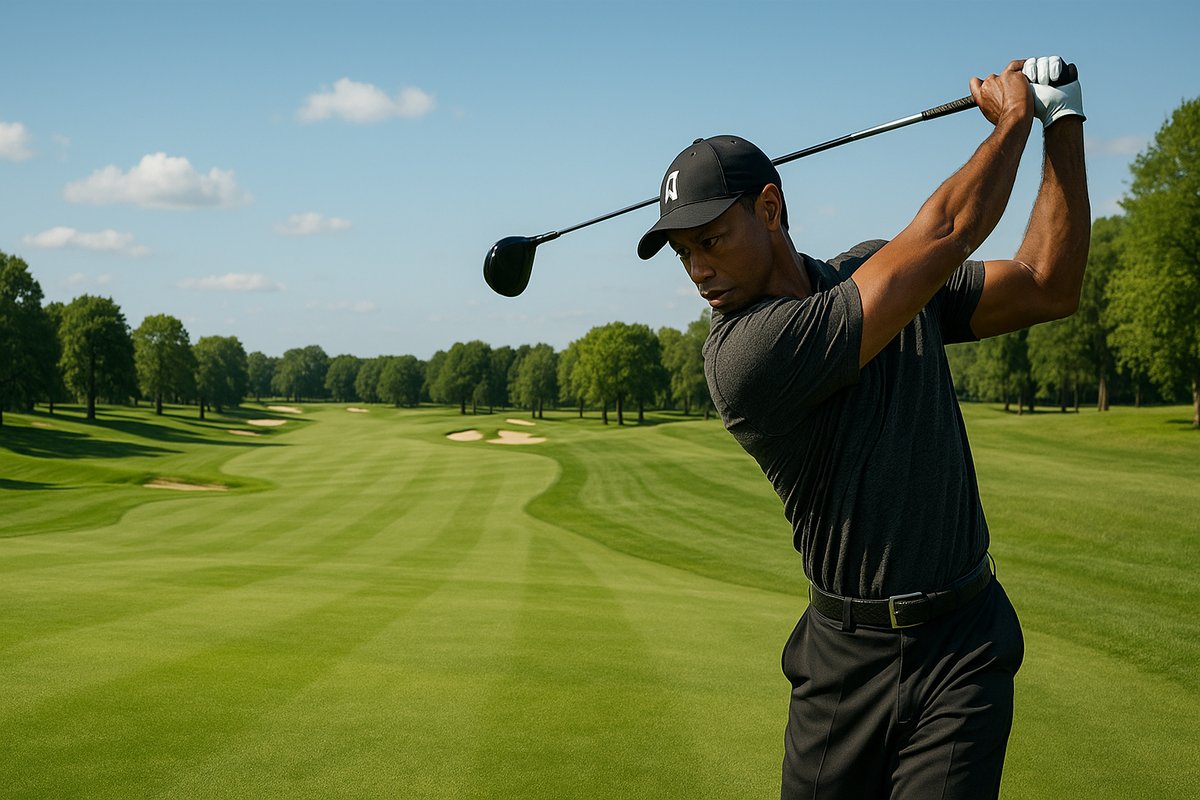
Tiger Woods built a mental edge that turned him into the most feared closer golf has ever seen. From the first time he stepped on a driving range with that laser focus, he treated every ball like it was for a major. As a former club pro, I can tell you that kind of preparation separates the guys who win from the ones who just contend.
His old man Earl drilled visualization and emotional control into him early. Woods turned every practice session into a PGA Tour simulation, which is exactly why he racked up 15 majors. I’ve played enough rounds to know most amateurs crumble when the wind picks up or a lie goes sour; Tiger rehearsed those exact conditions in his head until they felt routine.
Before every shot he ran a full mental movie—trajectory, wind, lie, pin placement—then pulled the trigger. That routine carried him to that 15-shot win at the 2000 U.S. Open at Pebble Beach. Plenty of current PGA Tour players copy the same quiet pre-shot process now because it works when the pressure spikes.
Majors expose every weakness, yet Woods thrived in them. He could shove distractions aside and treat the biggest moments like just another shot. Think about that 2019 Masters charge—pure compartmentalization. He turned discomfort into fuel instead of letting it eat at him. That same steel showed up in his course management; even banged up, he out-thought guys who were physically fresher.
Back surgeries and the rest of the mess could have ended it, but Woods flipped those setbacks into motivation. The 2018-2019 run proved mental toughness beats doubt every time. I’ve seen plenty of players fold after one bad break; Tiger kept grinding until he was hoisting another trophy.
What most people don’t realize is just how deliberate Tiger’s mental preparation actually was. He didn’t stumble into that mindset—it was engineered. Earl Woods understood sports psychology decades before it became mainstream on tour. He’d place Tiger in uncomfortable situations during practice, deliberately creating pressure scenarios so that tournament moments felt familiar instead of novel. Want to hit a 6-iron with your career on the line? Tiger had already done that a hundred times on the range.
This methodical approach extended to his study of opponents and course conditions. Before arriving at a major championship venue, Woods would have detailed yardage books prepared, but more importantly, he’d mentally walk every hole. He’d study weather patterns, understand how the greens would roll at different speeds, and visualize himself executing under the most demanding conditions imaginable. When he arrived at Augusta, Pebble Beach, or St. Andrews, the course wasn’t new—he’d already played it in his mind dozens of times.
The recovery from adversity represents perhaps the most underrated aspect of Woods’ mental game. After the 2009 scandal and subsequent injuries, most athletes would have quietly retired or attempted a token return before fading away. Instead, Tiger embraced sports psychology work with full seriousness. He worked with mind coaches on meditation techniques, breathing protocols, and maintaining emotional equilibrium through extended periods of pain and frustration. From 2014 to 2017, when he was barely competing while dealing with spinal fusion recovery, he could have spiraled. Instead, he stayed mentally engaged with the game, analyzing his swing through video, studying younger players’ techniques, and building the psychological foundation for his eventual return.
His competitive fire also expressed itself through relentless self-evaluation. Woods famously would replay rounds in his head, not to torture himself, but to extract lessons. After a tournament loss, he’d identify not just the physical technical failures, but the mental mistakes. Did he allow himself to get emotionally rattled? Did he rush a pre-shot routine? Did he let external noise seep into his focus? This kind of detailed mental post-mortems is something most golfers avoid, yet it’s exactly why top professionals keep improving.
The 2019 Masters victory showcased all these elements in real time. At 43 years old, with a reconstructed spine, Woods had to manage not just his competitors but physical pain, lingering doubt, and the weight of expectations. He did this through the same mental framework he’d built over decades. Each shot received full attention and routine. Between shots, he managed his emotions and body. In the face of Morikawa’s birdie to tie, instead of panic, he compartmentalized and executed under pressure, exactly as he’d trained himself to do countless times before.
After the 2009 mess and the injuries that followed, a lot of people wrote him off. He leaned on meditation and sports-psych work and came back for five more PGA Tour wins. That resilience is the real takeaway for anyone stuck in a slump—simulate the heat on the practice tee and build the calluses.
He kept adapting too, studying analytics and rebuilding his swing more than once to stay ahead of the younger guns. That’s the part most amateurs miss: the mind has to keep growing right along with the technique. Woods understood that golf is constantly evolving, and resting on past success is the fastest way to become irrelevant. He embraced new technology, studied statistical trends, and adjusted his course management strategy as the game changed around him.
What separates Tiger’s mental approach from simply “thinking positive” is that it’s grounded in preparation and evidence. He doesn’t will himself to believe he’ll make a putt; he’s practiced that exact putt thousands of times at different speeds and slopes. His confidence isn’t blind—it’s earned through reps. This distinction matters enormously for amateur golfers trying to adopt his mental strategies. You can’t fake the preparation, but if you put in the work, the confidence naturally follows.
Here are the numbers that back it up:
– 15 major championships, tying Jack Nicklaus.
– 281 weeks at No. 1 in the Official World Golf Ranking, the longest ever.
– 82 PGA Tour wins, second only to Sam Snead.
– 2000 season: three majors and a 68.17 scoring average, lowest at the time.
– 2019 Masters at 43, oldest green jacket winner after spinal fusion.
– PGA Player of the Year a record 11 times.
– Six victories in playoffs, demonstrating elite performance under sudden-death pressure.
– 40 international wins, showing his mental approach translates across different courses and conditions.
The blueprint inside Tiger’s head still sets the standard. Nail the visualization, handle the heat, and bounce back from the rough patches and you’ve got a shot at playing your best golf—no matter what level you’re at. The specific techniques he employed—pre-shot routines, mental rehearsal, compartmentalization, detailed preparation—are all teachable. They require discipline and consistency, but they’re not dependent on Tiger’s natural talent alone. That’s what makes his mental legacy so valuable: it’s a repeatable system, not an accident of birth.