
The Rise of Collin Morikawa in Modern Golf
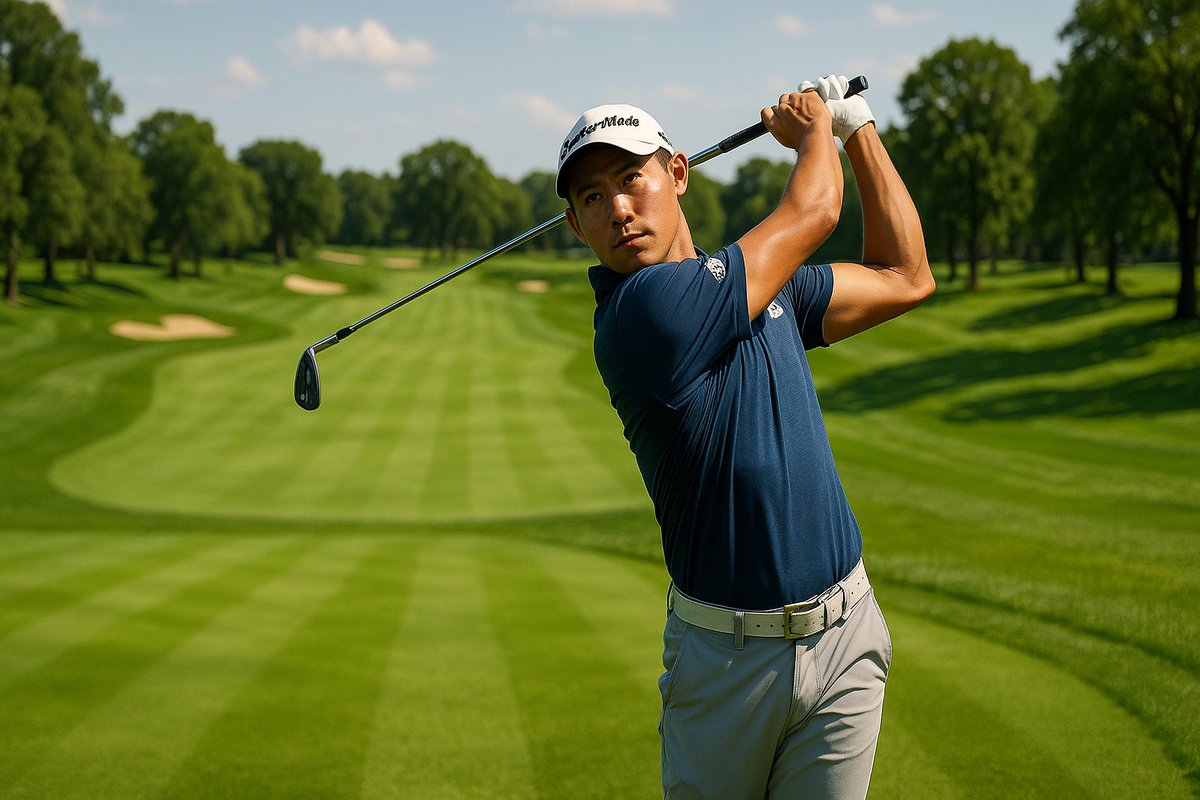
Collin Morikawa’s climb through the PGA Tour ranks has been one of those steady, no-nonsense stories that rewards the guys who grind on their iron play instead of chasing highlight-reel drives. From the jump he paired that laser-like approach control with a quiet head under the gun, turning himself into a must-watch in every major. His path from college star to multiple-time major winner hands serious lessons on building consistency without the drama.
Born in Los Angeles, Morikawa hammered fundamentals early and took that to UC Berkeley, where he stacked up collegiate wins and All-American nods. The structured practice there gave him the technical platform that travels straight to pro ball. As a former club pro, I can tell you his ball-striking drills—tight lies, controlled trajectories—are the exact work young players need if they want to hold greens from anywhere. He turned pro in 2019 after a solid amateur run that included U.S. Amateur contention, and scouts noticed right away how he could punch it close from bad lies, the kind of skill that stands out in today’s game.
His first PGA Tour win came at the 2020 Workday Charity Classic, just months after earning his card. That victory put his mid-iron accuracy on full display and kicked off a run of top-10s that proved he could handle the week-to-week grind. I’ve played enough rounds to know that kind of mental edge comes from visualization and short-game reps even on off days. Sponsors caught on fast as he moved up the rankings by focusing on process, not fireworks.
The real test arrived in the majors. Morikawa grabbed the 2020 PGA Championship at Harding Park with a closing 64 full of those surgical iron shots into tucked pins. A year later he added the 2021 Open at Royal St George’s, joining the short list of players with two different majors before turning 25. Those wins showed how well he adapts to firm turf and shifting winds, the sort of major-championship strategy you study if you want to compete when it matters. His data-driven prep—yardage books and launch-monitor sessions—keeps the equipment dialed and the approach stats elite.
What separates Morikawa from other young talents is his almost mechanical consistency. His swing produces a repeatable low-to-mid ball flight that holds its line in wind and settles soft on firm greens. When you watch him work through a practice session, there’s no wasted movement, no ego-driven attempts to reshape his game week to week. That discipline reflects both his Japanese heritage—his father was a club pro and brought serious technical precision to junior coaching—and his Berkeley education, where coaches emphasized systems over feel. He’s the kind of player who knows his exact yardages from 145 to 155, understands his miss pattern (usually a touch right), and shapes his club selection around that knowledge rather than fighting it.
The 2022 Genesis Invitational victory at Riviera demonstrated another dimension: his ability to compete and win on courses that demand shotmaking and position play over raw power. Riviera doesn’t surrender to distance; it punishes poor angles and rewards precise iron play from 150 yards and in. Morikawa’s score there reflected what he does best—hitting fairways, controlling distance, and taking advantage of scoring opportunities when the pins sit in reachable spots. That win moved him into elite company among players his age and proved his success wasn’t tied to one type of venue or wind condition.
Off the course, Morikawa’s approach to equipment mirrors his playing philosophy. He works closely with his gear sponsors to understand exactly how each club performs in different conditions. Launch monitor data, spin rates, carry distances—these aren’t abstract numbers to him but tools that inform his shot selection and club choices. Young golfers often overlook this side of the game, assuming raw talent and practice volume will carry the day. Morikawa treats equipment optimization as seriously as he treats his swing mechanics, a habit that compounds his edge over time.
His mental game deserves specific mention too. In high-pressure situations—majors, final rounds of tournaments—Morikawa rarely shows visible frustration or impatience. That composure isn’t natural talent; it’s the result of deliberate mental training and visualization routines he’s maintained since college. He studies past rounds, understands what thoughts serve him best under pressure, and returns to those anchor points when the stakes climb. Players wanting to follow his template should understand that the “quiet” demeanor everyone notices is actually backed by serious internal work on tournament psychology and emotional management.
Key numbers tell the story: two majors (2020 PGA, 2021 Open), additional wins like the 2022 Genesis Invitational, consistent top rankings in greens in regulation and strokes gained: approach, NCAA titles plus Walker Cup experience as an amateur, one of the lowest scoring averages among players under 30, and real work in junior clinics. Guys like him make you remember that low ball flight and repeatable contact still beat raw distance when the pins get nasty.
Morikawa’s influence on the next generation of golfers extends beyond his tournament results. His willingness to share his practice methods, his openness about the role of data in his game, and his consistent presence at junior clinics have made him a visible mentor figure. Young players watch him compete and see that you don’t need the longest drives or the most explosive athleticism to win majors and accumulate PGA Tour victories. You need intelligent preparation, technical precision, mental resilience, and the humility to keep working on fundamentals even after you’ve reached the top.
Looking ahead, Morikawa is still in his prime years—young enough to add more major championships, experienced enough to maintain his ranking among the world’s elite. The PGA Tour landscape keeps evolving, with new venues and formats emerging, but his core skill set—course management, iron play, and composure—will remain valuable in any competitive format. Whether on traditional courses or emerging league structures, players who control their ball flight and think their way around a golf course always have an edge.
Morikawa’s run keeps rolling each season. That mix of technical precision, major hardware, and steady presence gives the next wave something concrete to copy—iron mechanics and pre-round routines that actually move the needle. Dedication to the fundamentals still separates the contenders from the field at the highest level. For anyone serious about golf improvement, studying how Morikawa approaches the game offers a blueprint far more valuable than chasing the latest equipment trend or attempting to imitate the highlight-reel shots of flashier competitors.