
Profile of Annika Sorenstam’s Dominance in Women’s Golf
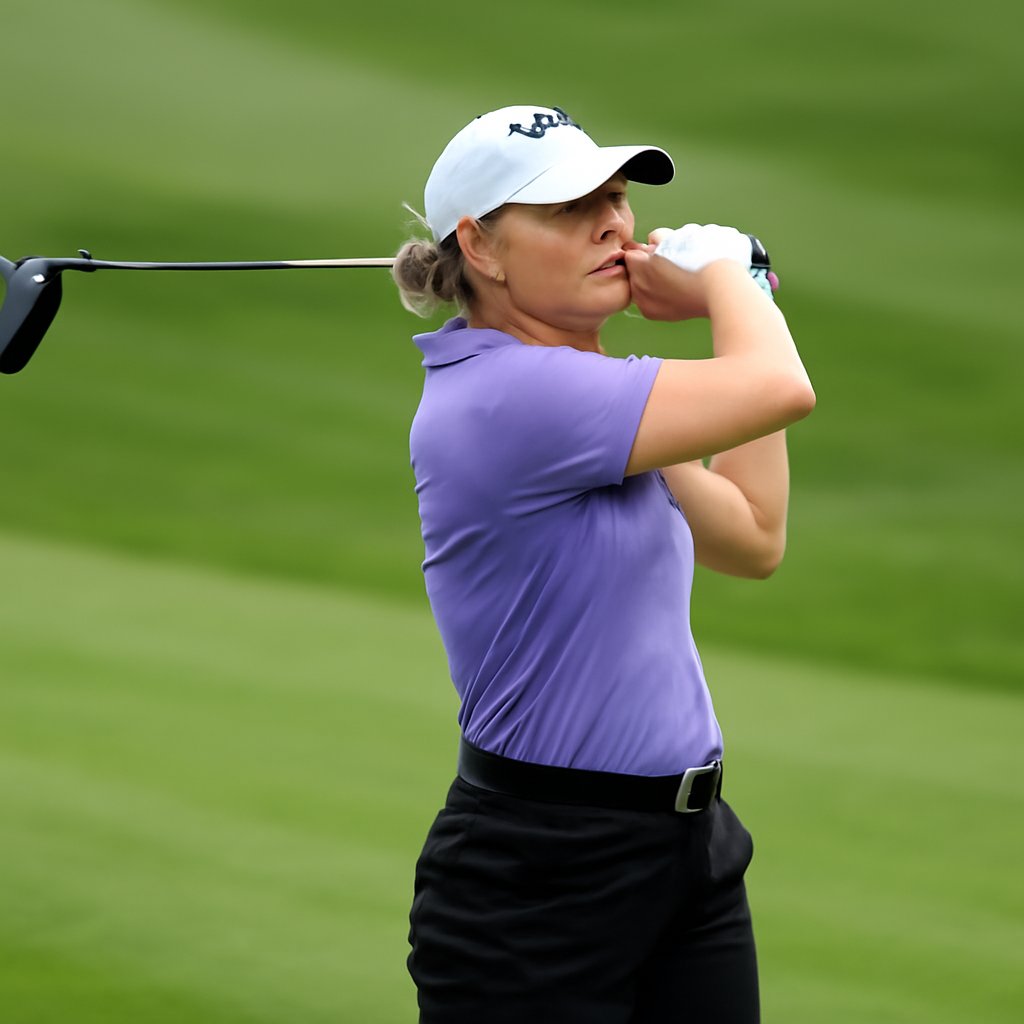
Annika Sorenstam carved out one of the most complete runs women’s golf has ever seen. From the moment she turned pro in 1992 and stepped onto the LPGA the next year, you could see the ball-striking and the quiet focus that set her apart. I’ve played enough rounds to know that kind of precision doesn’t just happen; it comes from grinding on the range the way she did from day one.
Born in Stockholm in 1970, she picked up the game young and tore through juniors before lighting it up at Arizona with All-American honors. Once she got to the tour, those early top-10s built fast. Her rookie year showed a player who already understood course management and short-game control, the two things that later let her pull away in the big ones.
By the mid-90s she was the player everyone had to beat. First LPGA win in 1995, then the U.S. Women’s Open that same year. Her GIR numbers were stupid good, and she paired that accuracy with enough distance to keep up. Multiple Player of the Year awards followed because she just kept showing up and posting numbers. As a former club pro, I can tell you that kind of week-in, week-out consistency separates the really good from the all-timers.
The early 2000s took it to another level. Eight wins in one season, scoring averages that still sit near the bottom of the LPGA record book. Her 2002 mark of 68.70 was absurd. She played the majors with a plan—studied every pin, adjusted for wind, and minimized the big misses. That 2003 Colonial appearance, the first woman in 58 years to tee it up on a PGA Tour event, showed how far she was willing to push it. She backed it up with five more wins that year and stayed number one for 109 straight weeks.
What really separated Sorenstam from her competition was her willingness to evolve her game. In the late 1990s, she worked extensively with her longtime coach Henri Reis to refine her swing mechanics, focusing on consistency and repeatability. This wasn’t about chasing the latest trends; it was about establishing a technical foundation that could withstand the pressure of tournament golf at the highest level. Her commitment to continuous improvement meant she was never satisfied with yesterday’s performance, always looking for marginal gains that could add up to major championships.
Her approach to major championships deserves special attention. Sorenstam won ten majors total, including three U.S. Women’s Opens and three Kraft Nabiscos (now the ANA Inspiration). What made these victories so impressive wasn’t just the skill required, but the mental toughness she displayed down the stretch. In the 2000 LPGA Championship at The Rolling Hills Country Club, she held off a charging field to win her second LPGA Championship. Her ability to manage expectations and stay present under pressure became her signature trait. She didn’t play to avoid losing; she played to win, and there’s a significant difference in the mindset required for each approach.
Beyond the raw statistics, Sorenstam’s dominance extended to her competitive longevity. She maintained a top-five world ranking for nearly two decades, which speaks to her consistency across all conditions and course types. Her record in stroke-play formats was particularly impressive—she won 72 LPGA tournaments and accumulated over 200 top-10 finishes, numbers that illustrate the depth of her excellence rather than just its peaks.
The numbers from her peak years tell a remarkable story. Her eight Player of the Year awards remain unmatched in modern LPGA history. The Vare Trophies—awarded to the player with the lowest scoring average—she collected multiple times, with that 2002 season scoring average of 68.70 still representing one of the most dominant statistical seasons in professional golf. To put that in perspective, maintaining a sub-69 scoring average over an entire season means finishing nearly every round under par, a feat that requires both exceptional talent and unwavering consistency.
Her 59 at the 2001 Standard Register PING stands as one of golf’s most iconic moments. Shooting the second 59 ever recorded on the LPGA Tour (the first was also hers, in 1997), she demonstrated peak performance when it mattered most. What’s often overlooked is that this wasn’t a one-off lucky round—it was the result of methodical ball-striking, precise short-game execution, and the kind of controlled aggression that defines great champions. She made eight birdies and an eagle that day, showcasing every facet of her game firing simultaneously.
Sorenstam’s Solheim Cup record for Europe was equally strong. She competed for the European side with distinction, bringing the same precision and commitment to team competition that defined her individual play. Her presence elevated the entire European team, and she remains one of the most respected figures in the event’s history.
Off the course, her impact on women’s golf extended far beyond her own accomplishments. The Annika Foundation, which she established, has dedicated itself to growing junior golf and increasing participation in the sport among young players. This commitment to the game’s future showed that Sorenstam understood her platform and the responsibility that came with her success. She later moved into golf course design and on-course instruction, bringing the same precision and attention to detail that defined her playing career.
Her edge came from the details—tight dispersion off the tee, elite lag putting, and the mental reset between shots that kept her in the hunt on Sunday. Plenty of guys on the PGA Tour talk about that kind of process; she actually lived it for more than a decade. The standard she set is still the one young players measure themselves against.
What made Sorenstam’s dominance unique was that it wasn’t built on one particular strength but rather on the absence of weaknesses. She hit fairways, she hit greens, she made putts, and she didn’t make many big mistakes. This foundational approach to the game—no fancy tricks, just excellent execution across all areas—is perhaps her greatest legacy. It’s a template that works at every level of golf, from the professional tours down to club players trying to break 80.
Her Hall of Fame induction while she was still playing cemented her status as one of the greatest golfers of all time, male or female. That honor recognized not just her record-setting accomplishments, but her influence on the game and the standard of excellence she maintained season after season. When Sorenstam retired in 2008 at age 38, she left the game at a time when she was still competitive, choosing to step away on her terms rather than fade into decline. It was a decision consistent with the control and intention she brought to every aspect of her career.