
Nelly Korda Dominance in LPGA Tour
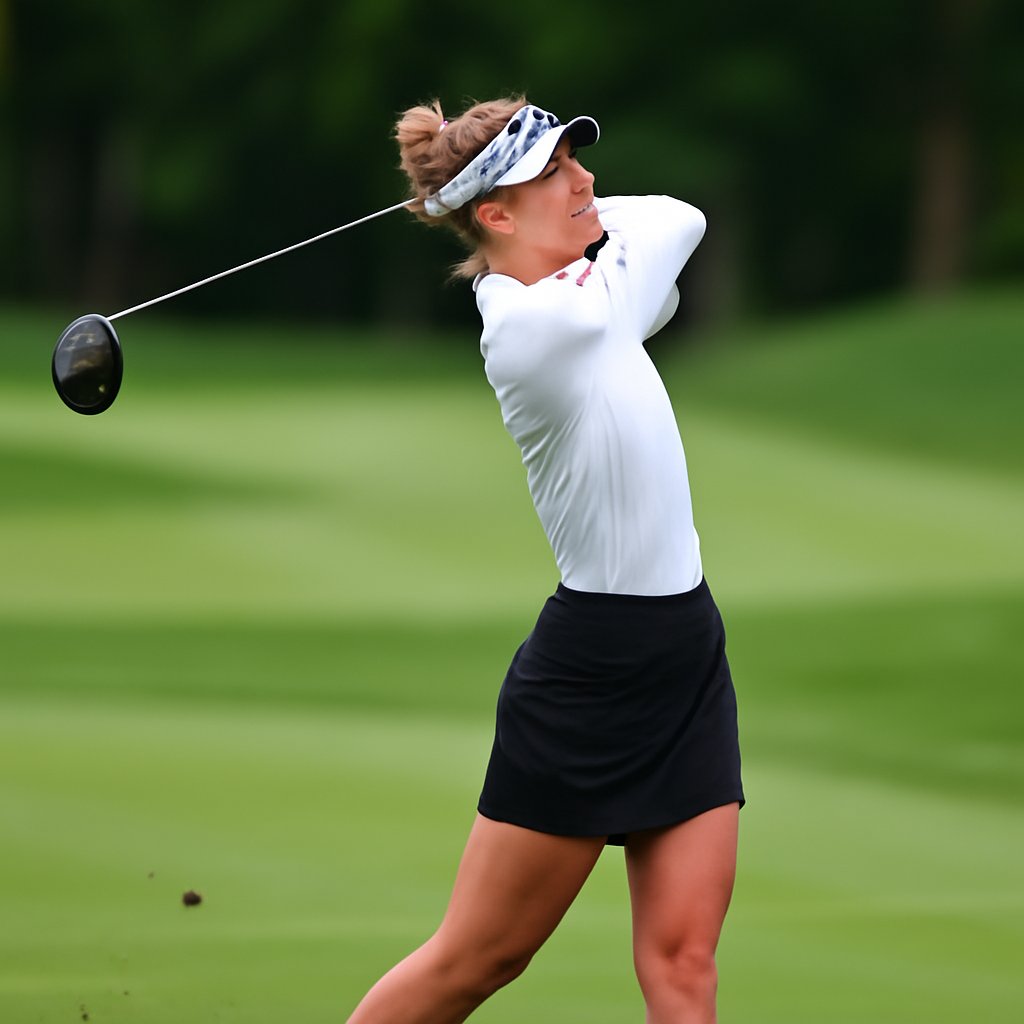
Nelly Kord’s rise has this magnetic pull on the women’s game that I feel every time I settle into the gallery at an LPGA event or step onto a fairway that echoes her style of controlled power. As someone who follows the LPGA closely and has chased that same blend of precision across courses from the misty links of Ireland to the sun-baked layouts of Australia, her story reminds me of those quiet mornings when the dew still clings to the grass and the first swing feels like pure possibility.
Her path started with the family legacy of athletic drive, her father a tennis champion and her sister Jessica already carving her own LPGA path. Turning professional in 2016 at just 18, she brought an athletic swing that adapted fast to the tour’s demands. That breakthrough came with the 2018 Swinging Skirts LPGA Classic, and from there the momentum built steadily. By 2021 she claimed Olympic gold in Tokyo, a performance that captured the pressure-cooker intensity I recall from major championship Sundays, where every breath seems amplified by the crowd’s energy.
What stands out is her championship mindset, rooted in visualization and steady routines drawn from that family heritage. When I played that course last spring in the Pacific Northwest, I found myself borrowing her emphasis on process over outcome during a tricky stretch of wind-swept holes, and it lowered my scores in ways that felt almost meditative. Her approach has helped her bounce back from setbacks, turning challenges into fuel for stronger returns.
The major wins tell their own tale of mastery. Victories at the 2021 KPMG Women’s PGA Championship and the 2024 Chevron Championship showcased her iron play and short-game finesse, often posting scoring averages that left fields chasing. Multiple top-10s at the U.S. Women’s Open reflect that strategic course management I admire in players who treat each layout like a new travel adventure. In 2024 she carded a career-low 63 in one major round, highlighting refinements in driver distance paired with pinpoint accuracy. Amateurs can pick up transferable lessons from her fairway-wood setup, favoring that slight fade for control on tighter holes, much like the ones I’ve navigated in the rolling hills of Portugal.
Beyond the wins, her presence has lifted the entire LPGA Tour, boosting viewership and prize funds in ways that parallel how top PGA talents draw broader interest. Her 2024 streak, including the Hilton Grand Vacations Tournament of Champions, showcased unmatched consistency and kept her atop the Rolex Women’s World Golf Ranking for extended stretches. This influence ripples into sponsor deals and junior golf participation, creating ripples I sense whenever I visit new clubs buzzing with young players inspired by her.
Her ball-striking stats place her among the elite, with greens-in-regulation percentages frequently above 75 percent. Emulating her posture drills for better weight transfer can bring amateurs more consistent contact, and the parallels to PGA players like Scottie Scheffler in tempo and strategy show how her dominance offers cross-gender insights for the sport. As of late 2024 she holds 15 LPGA victories, including two majors, Olympic gold as the first American woman in golf, over 50 weeks at world number one, a 2024 scoring average of 68.9, multiple Player of the Year honors, four Solheim Cup appearances with a strong singles record, career earnings over $12 million, and peak putting averages under 29 putts per round.
Her journey keeps shaping women’s professional golf with that blend of major pedigree and practical tips that connect to broader methodologies. Each new success draws fresh fans and raises the bar, much like the way a memorable round abroad lingers in your senses long after the final putt drops.
When examining what truly separates Kord from her peers, it’s worth diving deeper into the mechanics of her success. Her driving accuracy consistently ranks in the top tier of the LPGA, often exceeding 75 percent fairways hit. This precision off the tee eliminates the scrambling that consumes strokes for lesser players, allowing her to attack pins with confidence. Her average driving distance has evolved to compete with the tour’s longest hitters, typically ranging between 250 and 260 yards, which provides significant advantage on modern championship layouts designed to challenge power players. The combination of length and accuracy creates a formula that separates elite competitors from the field.
What makes Kord’s game particularly formidable is her adaptability across different course conditions and styles. Whether facing the narrow fairways of traditional links courses or the wide-open expanse of resort layouts, she adjusts her approach without losing the fundamental rhythm that defines her swing. Her iron play deserves special attention—striking the ball with that penetrating, slightly-fading trajectory that stops quickly on greens. This skill becomes invaluable during major championships where green complexes feature severe slopes and elevated sections. Her short irons in particular demonstrate exceptional control, with approaches from 150 yards and in showing remarkable consistency in proximity to the hole.
The mental game cannot be overlooked when discussing Kord’s sustained dominance. She’s spoken publicly about her approach to handling pressure, emphasizing breathing techniques and pre-shot routines that create space between herself and the outcome. This psychological framework becomes especially evident during final rounds of major championships, where the weight of competition intensifies and margins for error shrink. Her ability to stay committed to her process—selecting targets, committing to shots, executing with full conviction—mirrors the mental frameworks employed by golfers across all levels seeking to elevate their performance during crucial moments.
Kord’s influence on the LPGA Tour extends beyond individual tournament victories. Her presence in the field has demonstrably increased television ratings for LPGA events, with broadcasters noting higher viewership numbers during tournaments featuring her prominently on leaderboards. This commercial success translates directly into increased purse sizes and sponsor commitments, benefiting all tour members. Junior girls considering professional golf careers increasingly cite Kord as inspiration, recognizing that sustained excellence and marketability create pathways to lucrative careers in women’s professional sports. The ripple effects of her dominance strengthen the entire ecosystem surrounding women’s golf.
In terms of competitive record, her performance in team events merits recognition. Solheim Cup appearances have showcased her ability to elevate her game in match play settings, where the psychological intensity differs substantially from stroke play formats. Her singles record demonstrates particularly strong results against top international competitors, suggesting her mental toughness translates across varying competitive formats. These team successes contribute to her overall legacy beyond individual tournament wins, positioning her as a generational talent whose impact extends across multiple dimensions of professional golf.
Looking toward future expectations, Kord enters each season with legitimate chances to claim additional majors. Her scoring average in the low 69s positions her favorably for championship venues where consistency and accurate shot-making determine outcomes. The trajectory of her career suggests continued opportunities for major victories, potential additions to her world ranking weeks, and expanded influence on the sport’s broader development. Her competitive window remains wide open, with peak years potentially still ahead as she refines her craft and accumulates championship experience.