
Inside the Rivalry Between Tiger Woods and Phil Mickelson
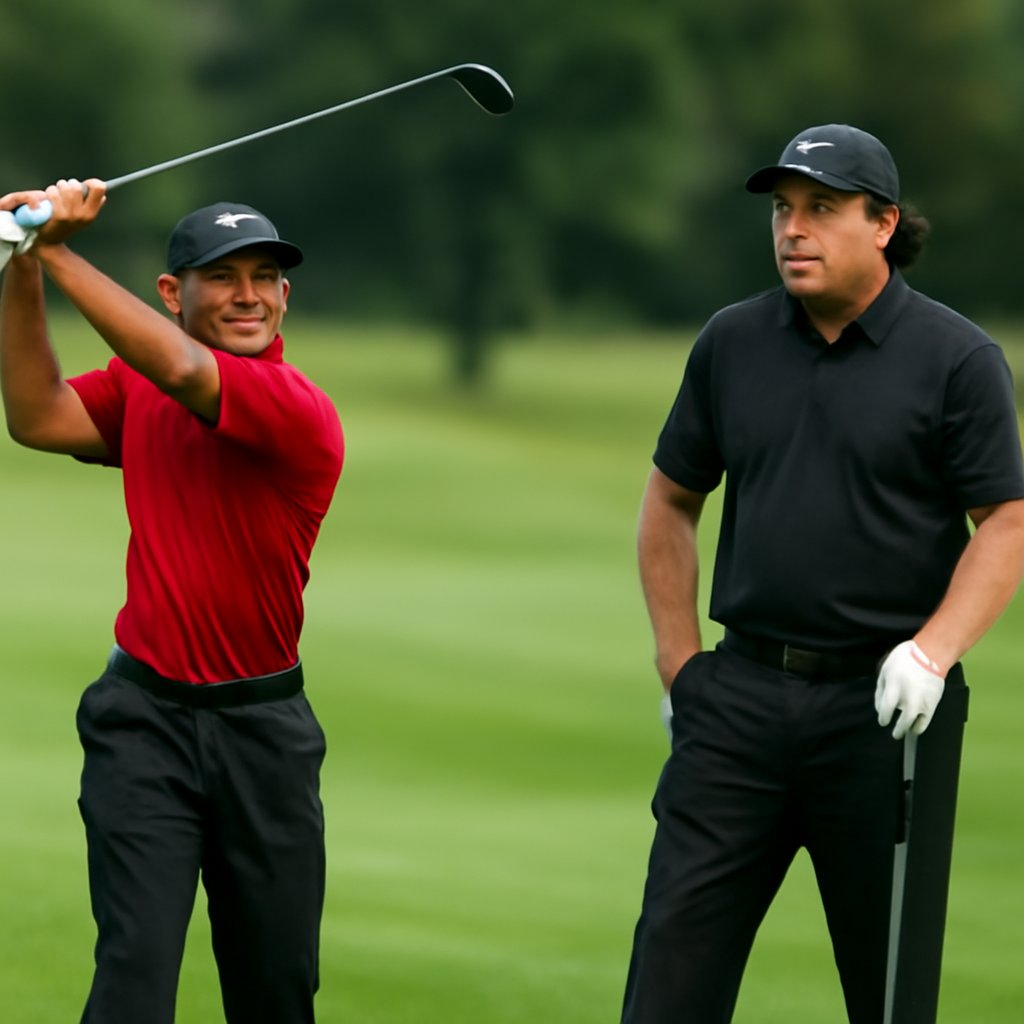
There’s something magical about wandering a sun-dappled fairway in a new country, the distant murmur of the ocean or the whisper of pine needles underfoot, that makes you reflect on the rivalries that have shaped this game we love. The intense rivalry between Tiger Woods and Phil Mickelson has captivated golf fans for over two decades, defining an era of PGA Tour dominance, major championships, and contrasting player profiles. From their early clashes on the leaderboard to high-stakes exhibitions, this storied competition showcases two of the game’s greatest talents and offers valuable golf tips on mental toughness and course management.
Tiger Woods and Phil Mickelson first crossed paths prominently in the late 1990s as Woods ascended to global stardom following his 1997 Masters victory. Mickelson, already a multiple-time PGA Tour winner with a silky left-handed swing, represented the established star power that Woods aimed to surpass. Their contrasting styles—Woods with his explosive power and laser focus, Mickelson with creative shot-making and flair—created natural tension on leaderboards at events like the 1999 PGA Championship. Golf enthusiasts can draw tips from how both players adapted their strategies under pressure, emphasizing the importance of course management during major championship runs. As Woods racked up early majors, Mickelson’s consistent top finishes kept the rivalry alive, fueling media narratives and fan debates that elevated PGA Tour visibility worldwide. When I played that course last spring in the rolling hills of Portugal, the same kind of strategic tension crept into my own round, reminding me how these legends turned every hole into a chess match.
The heart of the rivalry played out across golf’s biggest stages, including multiple U.S. Opens, Masters Tournaments, and PGA Championships. Woods secured 15 major titles while Mickelson claimed six, with direct head-to-head battles often deciding outcomes, such as the 2001 Masters where Mickelson finished runner-up. Their duels highlighted differing approaches: Woods’ methodical ball-striking versus Mickelson’s aggressive short-game wizardry around the greens. Players today can learn from these major championship performances by studying how Woods managed risk on par-5s and how Mickelson used imagination on tricky lies. Throughout the 2000s, injuries and form fluctuations tested both, yet their presence at PGA Tour events continued to draw massive crowds and boost television ratings for golf broadcasts. As someone who follows the LPGA closely, I often notice how that same blend of power and imagination echoes in the women’s game, inspiring players to push boundaries on unfamiliar layouts abroad.
Beyond the fairways, the personal relationship between Tiger Woods and Phil Mickelson evolved from cool professionalism to mutual respect, especially after teaming up for the 2018 Ryder Cup. The pinnacle came with “The Match” in 2018, a $9 million pay-per-view exhibition that pitted the legends against each other and later included other stars, generating significant PGA Tour news and renewed interest in golf among casual viewers. This event underscored their enduring appeal as player profiles who transcended the sport. Aspiring golfers can extract tips on mental preparation by noting how both handled public scrutiny and comebacks, applying similar resilience in their own rounds. Their rivalry also influenced equipment choices and fitness regimens that modern players emulate for longevity on the tour. There’s a certain hush that falls over an evening round in Scotland, the crisp air carrying the faint scent of heather, that feels like the perfect backdrop for musing on how these two icons kept the spotlight on golf’s timeless drama.
Tiger Woods holds a 15-6 edge in major championship wins over Phil Mickelson, with Woods securing his first major in 1997 and Mickelson breaking through at the 2004 Masters. The pair combined for 21 major titles and over 100 PGA Tour victories, making their matchups must-watch events that often featured dramatic final-round charges. In 72 official PGA Tour events where both competed, Woods posted the better finish 47 times, though Mickelson claimed victories at key tournaments like the 2005 PGA Championship. The 2018 Capital One’s The Match drew nearly 3 million pay-per-view buys, highlighting the lasting commercial power of their rivalry in PGA Tour news cycles. Mickelson’s six majors include three Masters titles, while Woods’ record includes four consecutive major wins from 2000-2001, showcasing unmatched dominance. Both players have been ranked World No. 1, with Woods spending 683 weeks at the top compared to Mickelson’s 26, reflecting their impact on global golf rankings. Head-to-head in majors, they shared leaderboards in 18 events, often battling for top-five positions that influenced final outcomes and player profiles.
The rivalry between Tiger Woods and Phil Mickelson remains one of golf’s defining narratives, blending on-course excellence with off-course intrigue that continues to inspire new generations. Through their major championship exploits and innovative approaches, they provided endless golf tips on strategy and resilience while shaping PGA Tour history. Fans and players alike celebrate this era as a golden period that elevated the sport’s popularity and competitive standards for years to come.