
How to Hit High Soft Lob Shots Around the Green
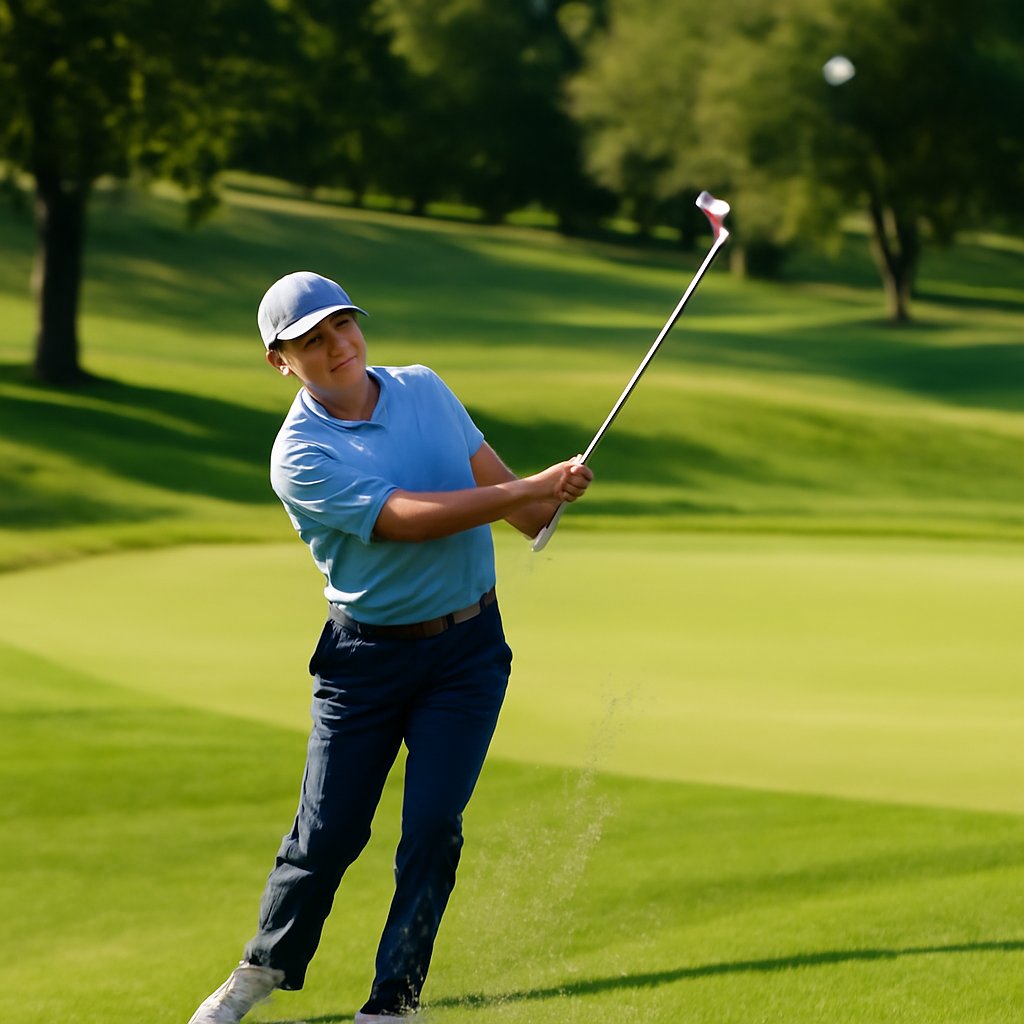
Hitting those high, soft lob shots around the green is what separates the guys who contend on Sunday from the rest of the field. These carries with almost no rollout are pure gold when you’re staring at tight lies, bunker lips, or those rock-hard surfaces you see at Augusta National. As a former club pro, I can tell you the tour players have made this shot a staple, especially at the Masters where the slopes around 12 and 16 force you to fly it over trouble and stop it dead.
Phil Mickelson built a whole career on this move, turning potential bogeys into birdies at majors. You need an open face, real acceleration through the ball, and the right loft to get that floating flight with backspin. Amateurs usually kill it by slowing down or grabbing the wrong stick, ending up thin or fat and watching the ball scoot past the hole. I’ve played enough rounds to know that copying the tour routine fixes it fast.
Grab a 60-degree lob wedge with decent bounce so the sole doesn’t dig. Guys like Jordan Spieth tweak their grinds for the crazy lies that show up during championship weeks. Pair it with a softer ball that grabs, and keep those grooves clean—especially when the dew is down. Skip the firm balls; they just won’t check up the way you need.
Understanding club selection goes beyond just picking the 60-degree. While a lob wedge is the standard choice for high, soft shots, some situations call for a 58-degree or even a 56-degree depending on how much green you have to work with and how close the trouble sits. The bounce angle matters tremendously—typically 10 to 14 degrees of bounce provides the ideal sole profile for sliding under the ball without catching the leading edge on firm ground. Too little bounce and you’ll blade it; too much and you risk digging in on softer turf. Tour players often carry multiple wedges with different bounce and grind combinations to handle the spectrum of lies they encounter. If you’re serious about this shot, consider getting a wedge custom-ground to match the specific conditions your home course presents throughout the year.
Ball forward, inside your lead heel, for a steeper attack. Open the stance a hair toward the target but keep the shoulders square to encourage that out-to-in path. Light grip pressure—like you’re holding a tube of toothpaste—lets the wrists hinge naturally. Weight on the front foot at address so the club slides under instead of chunking. That setup is the bedrock.
The address position for lob shots demands precision that many amateurs overlook. Your feet should be shoulder-width apart or slightly narrower, with roughly 60 to 70 percent of your weight already settled on your front foot. This forward bias prevents the common amateur mistake of trying to help the ball into the air by leaning back. The ball position inside your front heel—roughly 4 to 6 inches forward of center—creates the descending blow necessary to impart backspin. Your hands should sit just slightly ahead of the ball, not dramatically, which keeps the loft intact while still compressing the ball enough to generate spin. The shaft should feel neutral or even slightly leaned back, not pressed forward like a traditional chip shot.
Hinge early on the backswing to set the face open and vertical. Then shift and rip the clubhead through, striking just after the ball to generate spin without burying it. Tour players talk about “throwing” it under the ball with loose arms. Rush the transition or flip the wrists and you flatten the flight every time.
The swing itself requires a specific sequence that separates quality lob shots from mishits. The backswing is relatively short—think of it as a half to three-quarter swing depending on distance—but the wrist hinge should happen immediately, within the first few inches of movement. This early hinge sets the club at the correct angle and prevents the common fault of dragging the club back flat. Your weight should shift slightly during the backswing, staying predominantly forward throughout. The real magic happens in the downswing transition. Rather than a gradual acceleration, tour players exhibit explosive energy through the ball zone. This isn’t about brute strength; it’s about efficient sequencing. The lower body initiates the downswing, creating lag in the club shaft, and then the arms and club accelerate rapidly through impact. This acceleration is crucial—it’s what amateurs invariably miss by trying to steer or control the shot. The club face should strike the ball first, then take a small divot just beyond the ball. If you’re taking a divot before the ball, you’re hitting it fat; if there’s no divot at all, you’re likely skulling it.
I’ve seen the drills that work. Set alignment sticks to mimic a bunker lip and hit 20 balls from 15 yards, focusing only on carry and soft landings. Drop a towel on the green as a target to force height. Film yourself and match it to the tour swings—notice how the face stays open. Hit from uphill, downhill, whatever the course throws at you.
Effective practice routines for lob shots should simulate real playing conditions as much as possible. Beyond the basic alignment stick drill, try this progression: start at 10 yards with a simple target, then extend to 15 yards, then 20 yards. At each distance, focus on hitting three consecutive shots that land softly and within a three-foot radius. Once you achieve that consistency, introduce different lies. Practice from thick rough, bare lies, and even slightly uphill and downhill positions. These variables teach you how the club behaves in different situations. Another powerful drill involves the “land and stop” challenge: place a towel 20 feet away and another 3 feet beyond it. Your goal is to land on the first towel and stop before the second. This forces you to develop the soft landing characteristic of tour lob shots. Record your practice sessions with a phone camera and compare your swing sequencing to YouTube clips of Phil Mickelson or Jordan Spieth executing the shot. You’ll notice that the best players maintain a loose, almost effortless-looking tempo despite the aggressive acceleration through the ball.
On the course, read the pin and contours first. At a U.S. Open with a tight lie behind a bunker, Rory McIlroy has shown the right call is to commit to the lob when the reward beats the safer chip. Pick your landing spot, see the trajectory, and swing.
Course management for lob shots requires honest self-assessment about your proficiency level. Even tour pros, who make this shot at 65 percent within 20 yards, don’t always attempt it. They ask themselves: Is the potential gain worth the risk? If you’re working on this skill and still developing consistency, understand that running a chip shot up the green might actually be the smarter percentage play on most occasions. Use lob shots strategically—when there’s genuinely no other way to get close, or when you have significant experience with the specific lie and conditions you’re facing. As your comfort grows, you’ll naturally expand when you’ll pull the trigger on this shot.
Top players convert these inside 20 yards at about 65 percent in majors. Nail the shot and you can shave 1.2 strokes a round on firm greens like Augusta’s. Mickelson credits his lob-wedge work for more than 40 PGA Tour wins. Spin rates over 8,000 rpm let the ball stop inside three feet. Amateurs who groove this weekly cut their short-game proximity by 25 percent in three months.
The statistics backing up lob shot proficiency are compelling. Professional players maintain spin rates between 8,000 and 10,000 rpm on lob shots, compared to 5,000 to 6,000 rpm on standard pitch shots. This differential directly correlates to stopping power. A ball spinning at 8,500 rpm from 15 yards out lands with minimal forward momentum, allowing it to sit down within feet of the landing spot. Amateurs typically generate spin rates of 4,000 to 5,500 rpm because of inconsistent strike quality and club head speed loss through impact. By improving your technique and building consistency, you’ll naturally increase spin rates and dramatically improve your proximity to the hole. Studies show that golfers who dedicate just 15 to 20 minutes weekly to lob shot practice see measurable improvements in their scoring within a month, with average short-game proximity improving by 6 to 10 feet.
Master the setup, the acceleration, and the strategy and your short game flips from liability to weapon. The ball climbs, hangs, and sett
Mickelson’s lob-wedge mastery is part of a bigger story — see our ranking of the best short games on the PGA Tour for the five players who redefined scrambling around the green.
Sources
- PGA Tour – Official professional golf tour with instructional content and player insights
- Golf Digest – Leading golf publication with expert tips and technique guidance
- Golf Channel – Comprehensive golf instruction and tournament coverage
- Golf.com – Golf news, instruction, and equipment reviews from industry experts
- ESPN Golf – Professional golf coverage and instructional resources