
Best Short Games on the PGA Tour: Top 5 All-Time
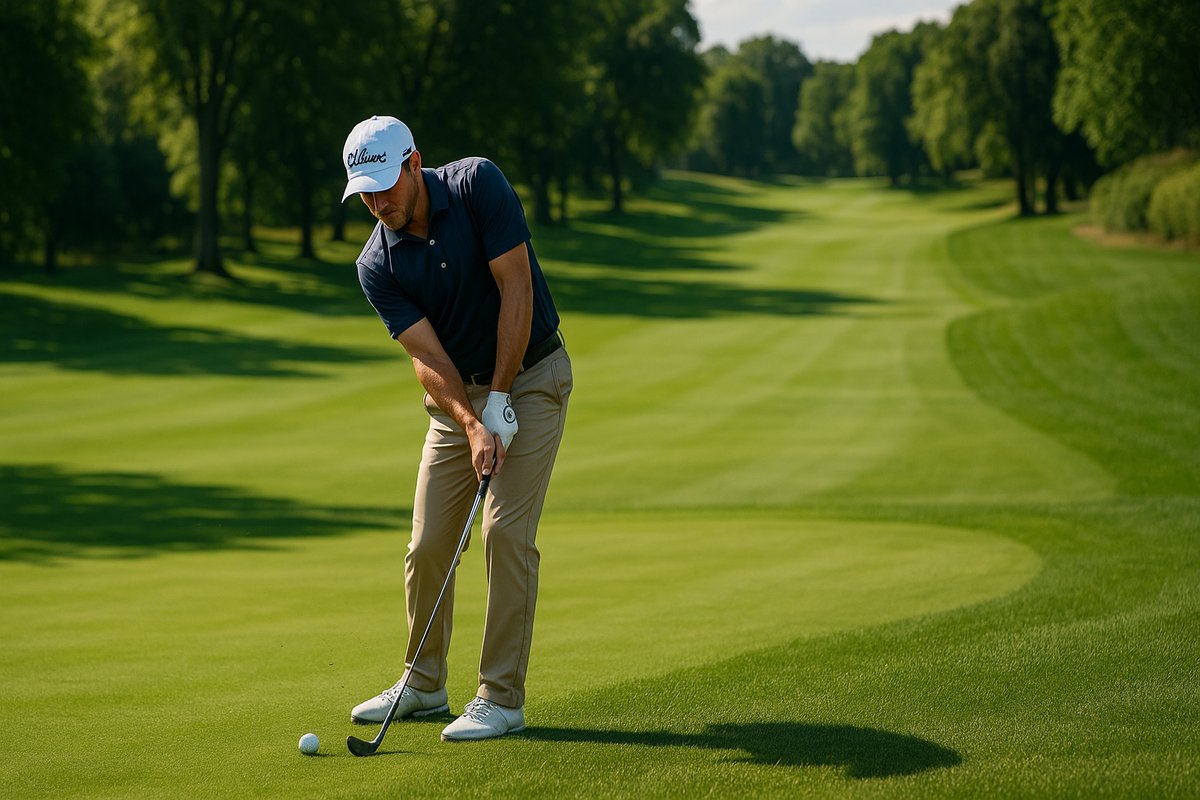
There’s something magical about wandering the grounds of storied courses around the world, where the scent of freshly cut fairways mixes with the distant hum of a practice green and the soft thud of a ball landing on dewy turf. As someone who’s chased that feeling across 200-plus layouts in 15 countries, I’ve come to appreciate how the short game turns ordinary rounds into unforgettable journeys. Ask any Tour veteran and they’ll tell you the same thing: the best short games on the PGA Tour separate good golfers from legends. Identifying the top 5 golfers with the best short game ever ever highlights players whose creativity and precision around the greens turned tournaments into masterpieces. From scrambling out of impossible lies to draining clutch putts in major championships, these icons mastered the delicate art that defines golf success — and their influence still shapes what a great short game looks like today.
What Makes a Short Game “the Best” on Tour?
Before ranking players, it helps to define the terms Tour insiders actually use. A truly elite short game blends four measurable skills: scrambling percentage (converting missed greens into pars), sand save percentage (escaping bunkers successfully), proximity to the hole from inside 100 yards, and putts per round on approach shots. The players below didn’t just have “good touch” — they led the PGA Tour in these categories for years, which is exactly why they define the best short games on the PGA Tour in history.
1. Seve Ballesteros — The Original Escape Artist
When I played Augusta National last spring, the way the ball whispered across those undulating greens reminded me instantly of Seve Ballesteros, the benchmark for the best short game the sport has ever produced. The Spanish star dazzled fans with his ability to manufacture pars from deep rough or tight lies during the 1970s and 1980s. He won three major championships, including two Open Championships and one Masters, largely because of his short game wizardry that compensated for occasional wayward driving. Ballesteros routinely saved shots with delicate flop shots and inventive bunker play, turning potential disasters into birdie opportunities on PGA Tour venues. Modern players still study his technique for tips on reading lies and using the bounce of the wedge effectively.
His open stance and soft hands allowed unparalleled touch on chips and pitches. Golfers today emulate his practice of visualizing multiple shot options before executing, a habit that helped him navigate the pressure of major championships with unmatched flair.
2. Phil Mickelson — Fearless Around Every Green
Phil Mickelson ranks among the top 5 golfers with the best short games ever thanks to his innovative use of the lob wedge and fearless approach to high-risk, high-reward shots. With six major titles, including three Masters victories, Mickelson’s short game repeatedly rescued rounds on tight Augusta National greens and tricky U.S. Open layouts. His signature flop shot over bunkers became a staple of PGA Tour highlight reels, demonstrating how creative short game play can overcome distance disadvantages. As someone who follows the LPGA closely, I often see echoes of his creativity in how top women players navigate similar pressure situations on unfamiliar international courses.
Mickelson often spent hours on the practice green experimenting with different lies and trajectories. This dedication produced golf tips still shared today, such as opening the clubface dramatically while keeping weight forward to generate maximum spin and soft landings.
3. Tiger Woods — Clinical Precision Under Pressure
Tiger Woods earned his place in this elite group through clinical short game execution during his dominant run of 15 major championships. Whether chipping in at the 2005 Masters or draining clutch putts at the 2000 Open Championship, Woods combined power with precision inside 100 yards. His ability to control distance and spin on PGA Tour courses made him nearly unbeatable in clutch situations, turning potential bogeys into pars or better. Exploring the same venues where he thrived, I’ve felt that same electric tension in the air during twilight rounds abroad.
Focus and routine defined his short game success. Woods preached visualization and breathing techniques that helped him maintain composure, lessons that translate into practical golf tips for players facing pressure-packed moments in their own rounds.
4. Ben Crenshaw — The Artist With a Putter
Ben Crenshaw’s silky putting stroke and deft chipping made him one of the top 5 golfers with the best short games ever. Two-time Masters champion Crenshaw relied on feel rather than mechanics, reading greens with an artist’s eye. His short game mastery shone brightest at Augusta National, where his touch on fast, undulating surfaces secured victory in 1984 and again in 1995. The quiet rhythm of his stroke always brings to mind those peaceful early mornings I’ve spent on foreign greens, soaking in the landscape before the first groups arrive.
Crenshaw emphasized pace control over line obsession. Amateurs can apply this by practicing lag putts and focusing on distance rather than perfect reads, improving scoring on difficult PGA Tour-style greens.
5. Jose Maria Olazabal — Gritty and Inventive
Jose Maria Olazabal completes the list with his gritty, inventive short game that delivered two Masters titles. The Spaniard excelled at recovering from awkward lies around the greens, using a variety of low runners and high lobs to navigate major championship challenges. His Ryder Cup heroics further cemented his reputation as a short game specialist capable of delivering under team pressure. On my travels through European courses, his resourceful style feels especially alive in the way local players adapt to wind-swept coastal layouts.
Key Short Game Stats That Prove Their Greatness
Key facts and statistics include Seve Ballesteros averaging over 65% scrambling success in peak PGA Tour seasons, far above contemporaries. Phil Mickelson led the Tour in sand save percentage multiple times, converting difficult bunker shots at a 65%+ clip during major championship weeks. Tiger Woods posted a career scrambling average exceeding 60% inside 30 yards, contributing directly to his 82 PGA Tour victories. Ben Crenshaw ranked in the top 10 in putting average during 12 different seasons, showcasing consistent short game excellence across two decades. Jose Maria Olazabal’s short game helped him secure 6 European Tour wins and 2 majors, with scrambling rates often above 70% in Ryder Cup matches.
Modern PGA Tour Players Carrying the Torch
The best short games on the PGA Tour today draw a direct line from these legends. Collin Morikawa and Justin Thomas are frequently cited by broadcasters for elite scrambling numbers, while Scottie Scheffler’s wedge play and lag putting have quietly become some of the most efficient on Tour. Watching current players drill the same 50-75 yard pitch shots that Ballesteros and Mickelson mastered decades ago is proof that the fundamentals of a great short game never go out of style — only the technology around them changes.
How Amateurs Can Build a Tour-Level Short Game
You don’t need a PGA Tour swing to borrow from a PGA Tour short game. Start with the same principles that defined these five legends: soft hands and an open stance for touch (Ballesteros), an aggressive, imaginative approach around bunkers (Mickelson), a repeatable pre-shot routine inside 100 yards (Woods), pace-first putting (Crenshaw), and creative recovery shots from bad lies (Olazabal). Spend twenty minutes of every practice session on shots from 30-60 yards — that’s the range where most rounds are actually won or lost, and it’s the fastest way to lower your handicap without buying new gear.
Frequently Asked Questions
Frequently Asked Questions
Who is considered to have the best short game in golf history?
Seve Ballesteros is widely considered to have had the best short game in golf history. His ability to scramble from impossible lies and improvise around greens, backed by a scrambling percentage above 65% during his prime, set the standard that Phil Mickelson and Tiger Woods later built on.
What stats define the best short games on the PGA Tour?
The best short games on the PGA Tour combine a scrambling percentage over 60%, a sand save percentage over 55%, and elite proximity-to-hole averages from inside 100 yards. Players like Ballesteros, Mickelson, and Woods led the Tour in these categories for multiple seasons.
How can amateurs improve their own short game like a Tour pro?
Practice shots from 30-60 yards for at least 20 minutes per session, focus on landing within a 10-foot circle, and prioritize distance control on the greens over reading perfect lines — the same approach used by Crenshaw and today’s Tour scramblers.
The best short games on the PGA Tour — Seve Ballesteros, Phil Mickelson, Tiger Woods, Ben Crenshaw, and Jose Maria Olazabal — transformed the short game from a supporting skill into a championship weapon. Their performances in major championships and on the PGA Tour continue to inspire players seeking improvement. By studying their techniques and applying targeted golf tips, today’s golfers can elevate their own short game mastery and lower scores dramatically.