
Profile of Rising Star Matt Fitzpatrick
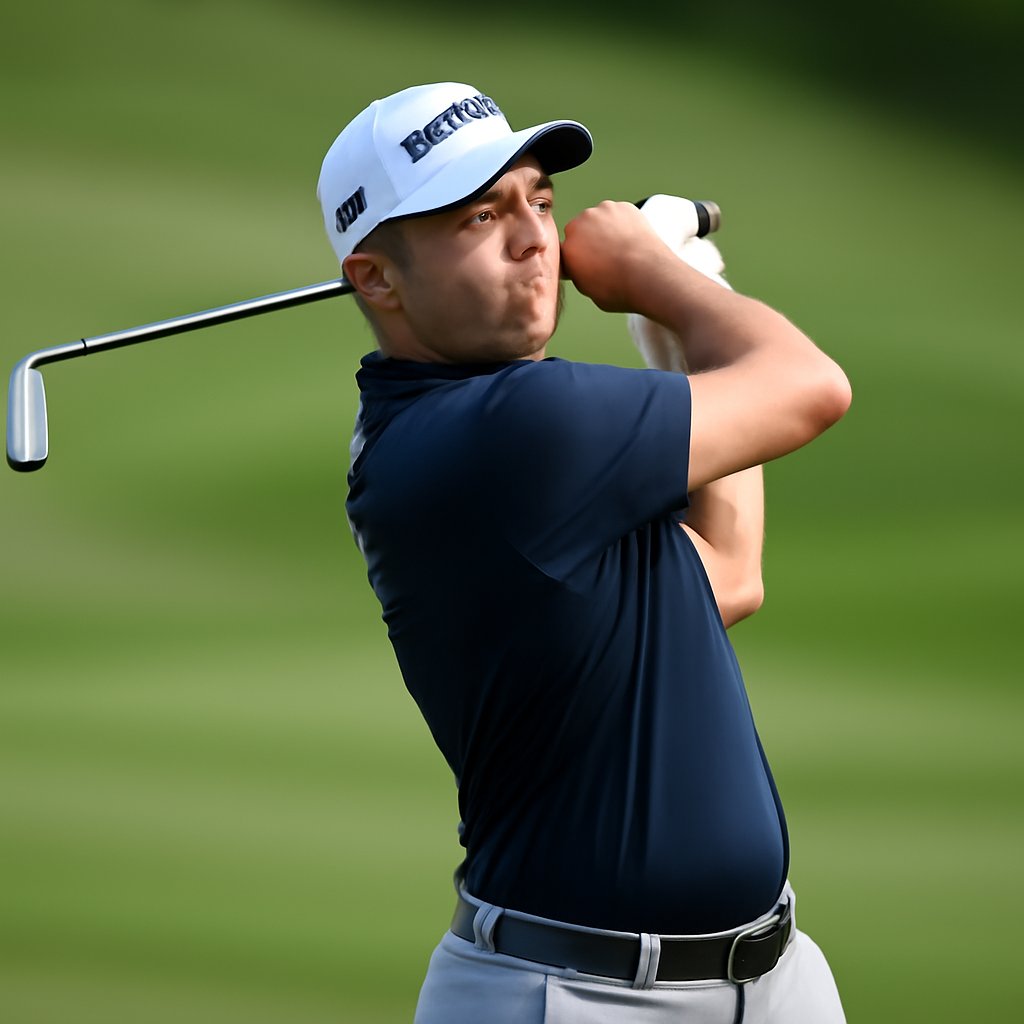
Matt Fitzpatrick’s game has always stood out for its precision, the kind you notice right away when you’re watching him hit irons on the range. Born September 1, 1994, in Sheffield, England, he turned pro in 2014 after a standout amateur run that included the 2013 U.S. Amateur title. That win opened doors to the big events and showed everyone he could handle pressure with a compact swing that favors accuracy over raw distance—averaging right around 290 off the tee.
As a former club pro, I can tell you his early foundation in the fundamentals paid off fast. He built his ball-striking through serious work on grip, stance, and course management, the same stuff I drilled into juniors for years. By the time he stepped onto the European Tour, he already had the tools to compete, and it showed with his first win at the 2016 British Masters. Moving over to the PGA Tour brought the usual adjustment, but Fitzpatrick adapted quicker than most, racking up more than 20 top-10 finishes since 2015 and climbing into the top 10 in the world after his breakthrough major.
His approach to the game leans heavily on data—launch monitors for iron play, controlled fades, and plotting lines instead of swinging for the fences. I’ve played enough rounds to know that mindset separates the consistent players from the streaky ones. It shows up in his strokes-gained numbers, where he often leads the category approaching the greens. That same discipline carried him to the 2022 U.S. Open at Brookline, where he closed with a 68 to claim the title and prove he could go toe-to-toe with the best.
Beyond that win he’s posted strong showings at The Open and the PGA Championship, often hanging around the top of the leaderboard deep into the weekend. He also picked up the 2021 DP World Tour Championship and the 2023 RBC Heritage, adding to a résumé that includes solid Ryder Cup play for England. Fitzpatrick shares plenty of insights on junior development and technique through media spots, which lines up with what I’ve seen from other methodical players like Zach Johnson—guys who grind out results rather than rely on flash.
What really sets Fitzpatrick apart in today’s game is his ability to thrive without relying on the distance-first mentality that dominates modern professional golf. While younger players are launching balls 310+ yards off the tee, Fitzpatrick’s controlled approach has proven equally effective. His strength lies in what happens after the drive. His iron play is arguably the best part of his game, with precision that allows him to attack pins with confidence and set up birdie opportunities from shorter distances. This philosophy echoes back to classic shot-making principles—position the ball in the fairway, hit greens in regulation, and let the short game close out the holes.
The 2022 U.S. Open victory at The Country Club in Brookline remains his signature achievement to date. Coming down the stretch, Fitzpatrick displayed the mental fortitude that separates major winners from players who merely contend. He finished at six-under par, posting a tournament score that reflected both consistency and the ability to manage difficult conditions. What made this win particularly significant wasn’t just the major championship itself, but the manner in which he claimed it—methodically, without dramatics, staying true to his process even as the pressure mounted in the final holes. For anyone studying championship golf, his performance during that week offers a masterclass in controlled aggression and course management.
His record at major championships shows a player who consistently threads the needle between too conservative and too aggressive. He’s recorded multiple top-10 finishes at the Masters, has shown up on leaderboards at Pebble Beach and other Open venues, and has made the cut in nearly every major he’s entered. This consistency suggests a golfer who has truly mastered the art of preparing for the biggest stages. Unlike some players who peak and valley depending on tournament format, Fitzpatrick’s game translates across different types of courses and setups.
The partnership between Fitzpatrick and golf analytics deserves closer examination. Many modern tour players use data to confirm what they already believe, but Fitzpatrick appears to use it to challenge his assumptions and refine his approach. He’s reportedly meticulous about understanding which aspects of his game drive scoring, and which are merely secondary concerns. This kind of analytical rigor, combined with the willingness to make swing adjustments based on empirical evidence rather than feel alone, gives him an edge in tournament preparation. His coaching team has emphasized building a repeatable motion that holds up under stress, and the data backs up their success.
Off the course, Fitzpatrick has maintained a relatively private profile compared to some of his contemporaries, choosing to let his play speak for itself. This approach aligns with his overall philosophy of substance over flash. He’s been involved in various junior golf initiatives, recognizing the importance of developing the next generation of English talent. His willingness to mentor younger players and share insights about the fundamentals shows a maturity beyond his years and a commitment to the sport that extends beyond his own trophy cabinet.
Looking ahead, Fitzpatrick remains a player capable of adding more majors to his résumé. The combination of elite ball-striking, proven mettle in championship pressure situations, and a commitment to continuous improvement through data and deliberate practice creates a formula for sustained success. He’s demonstrated that you don’t need to be the longest hitter on tour to win at the highest level—you need to be consistent, smart, and mentally tough.
In the end his blend of work ethic and smart course management keeps delivering. The 2022 U.S. Open wasn’t a fluke; it was the payoff from years of near-misses and steady improvement that any serious player can study for lessons on staying process-focused under major pressure. For aspiring golfers and seasoned players alike, Fitzpatrick’s career trajectory offers valuable lessons: invest in the fundamentals, trust the process, let data inform your decisions, and remember that precision often trumps power in professional golf. As he continues his career, there’s every reason to believe the best is still ahead for this Sheffield native who proved that old-school virtues and modern analytics make a winning combination.