
Brooks Koepka Multiple Major Wins Profile
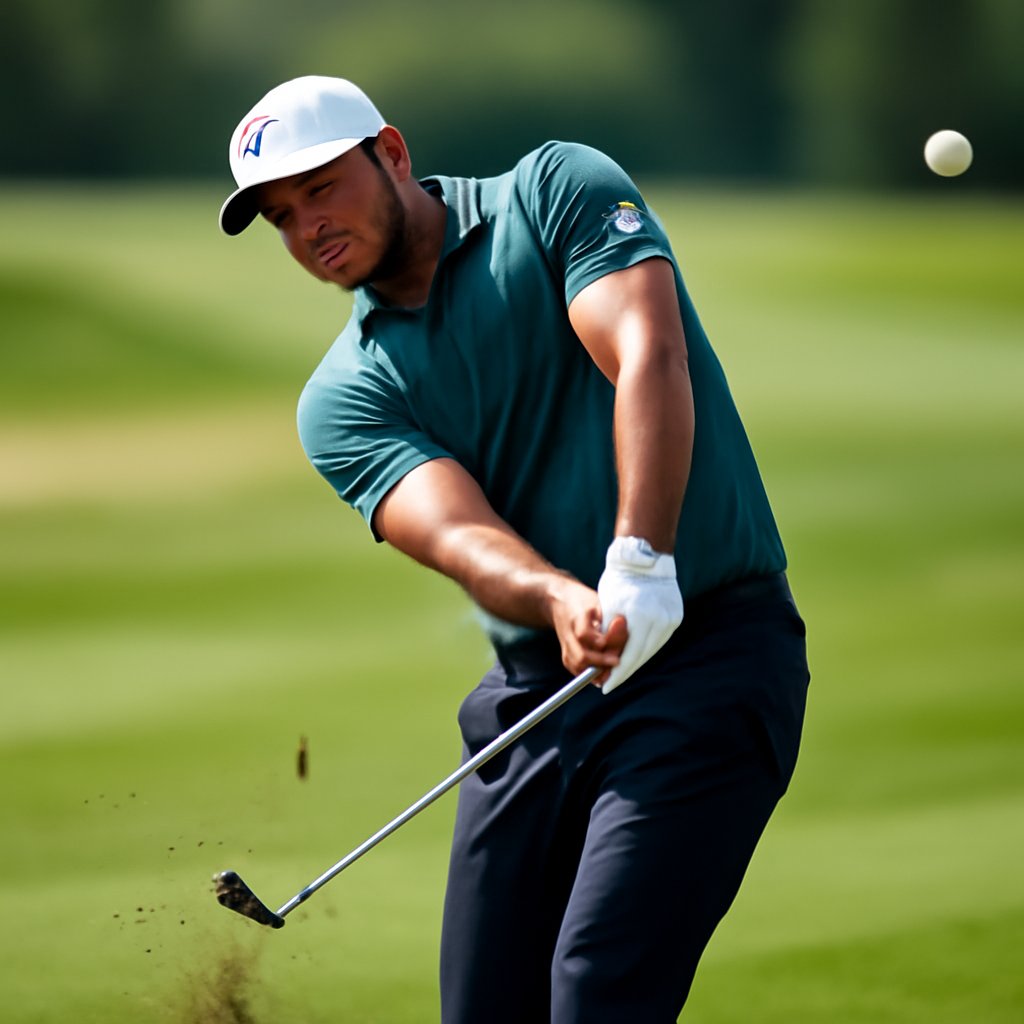
Brooks Koepka has locked up five major titles and shown he’s one of the toughest closers out there right now. The guy from Florida just keeps stepping up when the lights are brightest, bombing it off the tee and staying ice-cold when everyone else is sweating. I’ve played enough rounds to know that combination of length and nerve is what separates the guys who win majors from the ones who just contend. His path from overlooked prospect to multiple-time champion gives every level of player something to steal.
Koepka turned pro in 2012 after his time at Florida State and ground it out on the smaller tours before punching his PGA Tour card. Early on he was striping it and going after pins, and that paid off with his first win at the Waste Management Phoenix Open in 2015. That set the stage for what came next, because once he got into contention at the big events his distance and accuracy started deciding tournaments.
The 2017 U.S. Open at Erin Hills was the breakthrough, where he posted that record 16-under total. He backed it up by repeating at Shinnecock Hills in 2018, the first guy to do that since 1990. Then came the back-to-back PGA Championships in 2018 and 2019, a stretch of four majors in three seasons that still looks ridiculous on paper. As a former club pro I can tell you watching him outdrive the field by 20-plus yards on those tight setups while staying patient was something else. He proved the form was still there with the 2023 PGA win at Oak Hill after fighting through wrist and knee issues.
What makes Koepka’s major championship record even more impressive is the consistency he displayed across different major venues and conditions. The U.S. Open victories came on completely different setups—Erin Hills played as a wide-open track where distance could be weaponized, while Shinnecock Hills demanded precision and patience with its firm greens and penal rough. His ability to adapt his game and mindset to these varying challenges demonstrates a level of versatility that separates great players from truly elite ones. The PGA Championships at Bellerive and Bethpage Black further showcased his range, proving he could win in humid summer conditions with thick rough and on brutally difficult layouts.
Between his major wins, Koepka also accumulated numerous top-10 finishes in majors, building a resume that shows sustained excellence rather than one-off victories. His approach to major preparation is methodical—he arrives at championship venues early, studies course conditions extensively, and develops specific game plans rather than just showing up and hoping his length carries him through. This preparation separates the players who occasionally win majors from those who become accustomed to contending in them.
The 2023 PGA Championship victory at Oak Hill stands out for different reasons than his earlier wins. At that point, Koepka had battled a serious wrist injury and subsequent knee issues that threatened to derail his career entirely. Many observers wondered if his injury recovery would allow him to compete at the highest level again. Instead, he used adaptive strategies, worked closely with his medical team, and managed his schedule to build back to championship form. The victory proved that major-winning talent doesn’t disappear—it just requires patience and intelligent management.
Koepka’s whole deal is simple: bomb it, keep it playable, and trust the short game when the pressure hits. If you want to copy that approach, start with a wider base and smoother transition to add distance without spraying driver. Hit pressure putts on the practice green like you’re looking at a leaderboard instead of just rolling lag putts. Build a pre-shot routine that’s all visualization, not mechanical swing thoughts. I’ve seen plenty of amateurs freeze up because they’re thinking about positions instead of the shot they want. Koepka’s willingness to go at flags when most players lay up has also pushed the modern game toward calculated aggression.
One specific element worth studying in Koepka’s technique is his ability to control trajectory and shape. While he’s known for distance off the tee, what separates him from other long hitters is precision. He can hit a draw or fade on command, which matters tremendously at majors where specific angles into greens can make or break scoring. His iron play is equally underrated—he hits a lot of mid-irons into par-4s from positions where other players need longer clubs, and he’s comfortable working the ball both directions depending on pin position and green slope.
The mental side of Koepka’s game deserves special attention. Multiple observers have noted his unusual calm under pressure. He doesn’t appear to get rattled by bad breaks, missed putts, or competitors catching up. This mental fortitude shows up most in the final rounds of majors, where the pressure typically increases. His body language remains consistent whether he’s leading by five or trailing by one. For golfers trying to improve their own mental game, the lesson is clear: develop a process you trust completely, execute that process without deviation, and let the results take care of themselves.
Here’s the quick rundown on the numbers: five majors total (2017 and 2018 U.S. Opens, 2018 and 2019 PGAs, plus the 2023 PGA), lowest 72-hole U.S. Open score in history at 16-under par, multiple top-10s at the Masters and Open Championship, reached world number one, consistent top-five in driving distance throughout his career, overcame serious injuries to win again in 2023, 12 PGA Tour wins with seven coming after his first major, and those 300-plus-yard bombs on narrow major fairways that have become his trademark.
Koepka’s influence on modern professional golf extends beyond his major championships. His success has validated an aggressive approach to course management at the highest level. While players like Phil Mickelson and Tiger Woods had shown this brand of attacking golf before, Koepka’s sustained success with it during an era of increasing course difficulty and field depth demonstrated that power and aggression remain potent weapons when combined with accuracy and mental toughness.
Koepka’s run shows what happens when raw power meets real mental toughness. From the record U.S. Open scores to bouncing back at Oak Hill, he keeps proving major-winning form can return. Players chasing that level can take plenty from the way he attacks courses, sticks to his routine, and resets after setbacks. The blueprint still works as the tour keeps evolving. His career trajectory also serves as inspiration for any golfer who doesn’t achieve immediate success—Koepka grinded on developmental tours for years before his breakthrough, proving that late blooming is entirely possible at the professional level. For club golfers and aspiring professionals alike, his example shows that with proper mechanics, mental preparation, and willingness to commit to a long-term development plan, major championship success is attainable regardless of whether it comes early or requires patience and persistence.