
Top 10 Must Play Public Golf Courses
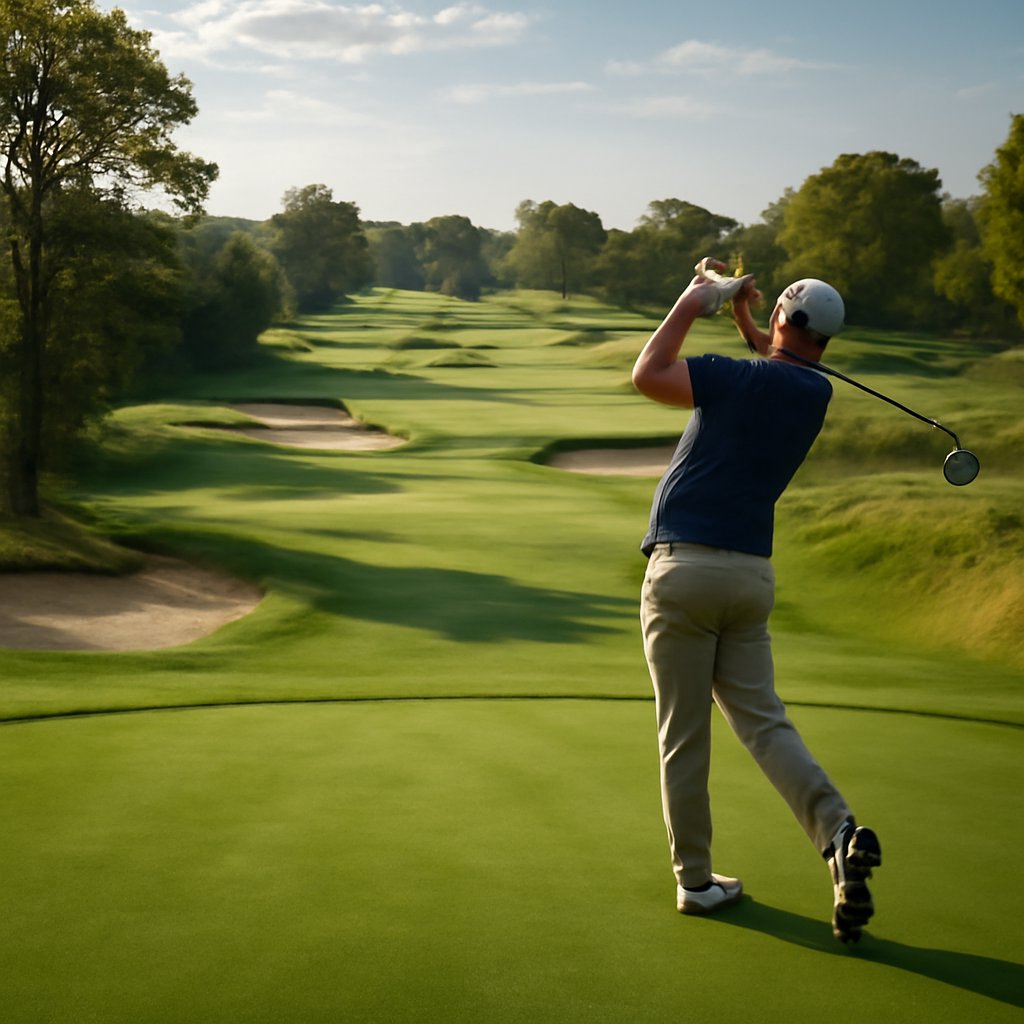
If you’re chasing world-class golf without a private club card, these public layouts deliver the goods—many of them regular PGA Tour stops where guys like Tiger and Phil have carved out wins. I’ve played enough rounds to know that walking the same fairways as the big dogs adds a layer of pressure that sharpens your focus fast. From pure links to tricked-up parkland tests, these spots reward solid course management and punish sloppy approaches.
Pebble Beach Golf Links sits at the top for a reason. It’s hosted the U.S. Open five times since 1972, including Wyndham Clark’s 2023 victory. The ocean holes on the back demand you shape shots into the wind and favor the safe side—left on the 8th to steer clear of the cliffs. As a former club pro, I can tell you that studying those swirling Monterey breezes before your round saves more strokes than any swing tip. The course plays around 6,800 yards from the back tees, but the Pacific Ocean serves as an invisible 11th club in your bag. Green fees run steep—typically $425 to $550 depending on season—but the experience justifies every penny. Book your round months in advance; demand far outpaces supply year-round.
Torrey Pines South keeps the Farmers Insurance Open on the schedule and staged Tiger’s epic 2008 playoff win. Attack the reachable par-5s but respect the thick rough; miss the fairway and you’re punching out. The South Course sits just 15 minutes north of downtown San Diego, making it one of the most accessible championship venues in America. At around $99 to $199 for public play, Torrey Pines offers exceptional value compared to other Tour stops. The course’s elevation changes along the cliffs create dramatic sight lines and unpredictable wind patterns that shift throughout your round.
Chambers Bay near Tacoma brought fescue-lined fairways to the 2015 U.S. Open and forced creative shot-making. The 2015 championship exposed the difficulty of the layout—rough patches of native fescue weren’t cut fairway-length, and balls disappearing into the tall grass became a storyline all week. For public players, this means precision off the tee trumps raw distance. The par-3 holes particularly demand accuracy; miss the green and you’re chipping from ankle-deep fescue with limited control. Rates hover around $119 to $199, and the Puget Sound views rival anything on the West Coast.
Bandon Dunes Resort gives you four distinct public options, with the original course serving up ocean views and bunkering straight out of St. Andrews—bump-and-runs are the play on those firm conditions. Located on the southern Oregon coast near Coos Bay, Bandon offers resort packages that bundle multiple rounds. The Old MacDonald course, designed by Tom Doak, ranks among America’s finest publicly accessible layouts. The minimalist bunkering and massive greens reward creative shotmaking over power. Many golfers book 3-4 day trips to experience multiple courses on the property, treating it as a pilgrimage rather than a single round.
Bethpage Black on Long Island carries the famous warning sign and measured over 7,400 yards from the tips for the 2002 and 2009 U.S. Opens. Position your drives to miss the deep bunkers, then take hybrid into the firm greens. What makes Bethpage remarkable is its public pricing—just $95 to $165 depending on residency and season—despite hosting major championships. The routing takes you through remarkably varied terrain, with elevation changes that feel unexpected on Long Island. The back nine particularly punishes poor shot selection, with dense rough and strategically placed bunkers demanding precision.
TPC Sawgrass Stadium Course has produced 12 different PLAYERS winners in the last 15 events, and that island-green 17th has ended plenty of careers. Public players get the same tee shot the pros face under the gun. The 17th plays approximately 137 yards on average, but wind and adrenaline have turned it into the most photographed and feared par-3 in tournament golf. The entire course demands course management; aggressive play in the wrong spots costs multiple shots. Book early in the week for better rates—weekday play typically runs $299 to $399 compared to weekend premiums exceeding $500.
Whistling Straits packs 1,200 bunkers—more than any other PGA Tour venue—and its Lake Michigan holes make wind the deciding factor. Located near Sheboygan, Wisconsin, the course opened in 1998 and immediately challenged PGA Tour professionals. The bunkers aren’t just decorative; they create strategic corridors that force thinking golfers to plan their approach carefully. The elevated tees offer dramatic views, but they also expose you to the brutal Wisconsin wind channeling across Lake Michigan. Green fees around $199 to $299 reflect the difficulty and prestige.
Pinehurst No. 2’s restored turtleback greens turned lag putting into an art form during the 2014 and 2024 Opens. The renovation by Bill Coore and Ben Crenshaw stripped away decades of overgrowth and returned the course to Donald Ross’s original vision. Those crowned greens slope dramatically from back to front, making approach shots critical. Many golfers are surprised that the fairways play narrower than they appear from the tee—the rough kicks toward the center, and missing left or right means difficult recovery shots. The course plays around 7,000 yards and stays open year-round, making it an ideal winter golf destination.
Kiawah’s Ocean Course threw massive waste bunkers at the 2021 Ryder Cup team; short-game practice before the round is non-negotiable on all these East Coast tracks. Pete Dye’s design features bunkers that don’t just guard greens—they gobble up aggressive misses on approach shots. The elevation changes along the Atlantic Ocean create unpredictable wind and dramatically impact club selection. Playing Kiawah demands humility and patience; it will humble even accomplished golfers who attack thoughtlessly.
Shadow Creek and Kapalua Plantation close out the list with resort access that still tests your game. Kapalua has opened the PGA Tour season at the Sentry Tournament of Champions, where the 18th drops 200 feet and rewards accurate drivers. The plantation course sits at elevation in the West Maui hills, providing cooler temperatures and stunning vistas. Shadow Creek near Las Vegas pioneered resort-style championship golf, with Tom Fazio’s design creating drama through water features and carefully sculpted bunkers. Both courses require staying at associated resorts, but they deliver complete golf experiences beyond just the round itself.
Erin Hills hosted the 2017 U.S. Open and sits in rural Wisconsin near Milwaukee. The minimalist design emphasizes natural terrain, with rolling hills and native grasses creating an authentic links feel despite its Midwest location. Streamsong’s Florida properties offer two distinct courses—Red and Blue—each reflecting different design philosophies while maintaining high difficulty levels.
Over 80 percent of majors since 2000 have offered some public or resort access, so these venues keep showing up in tour news. This accessibility represents a shift in professional golf, making championship courses available to everyday golfers rather than exclusive bastions of privilege.
Public access at places like Torrey Pines pumps millions into local economies every year. Book ahead, grab a yardage book, and study the setups that challenge the best players in the world. Jordan Spieth’s clutch Bethpage performances show the mental edge these layouts demand. Plan your trips strategically—many of these courses cluster geographically. You could play Pebble, Torrey Pines, and Chambers Bay on a West Coast swing, or tackle Bethpage, Kiawah, and Pinehurst in an East Coast run. Budget accordingly, as green fees at championship venues eat into travel costs quickly. Consider off-season play for better rates without sacrificing course conditioning. These layouts maintain themselves beautifully year-round, and playing them in quieter seasons reduces stress and adds to enjoyment.