
The History Behind the Claret Jug at the Open Championship
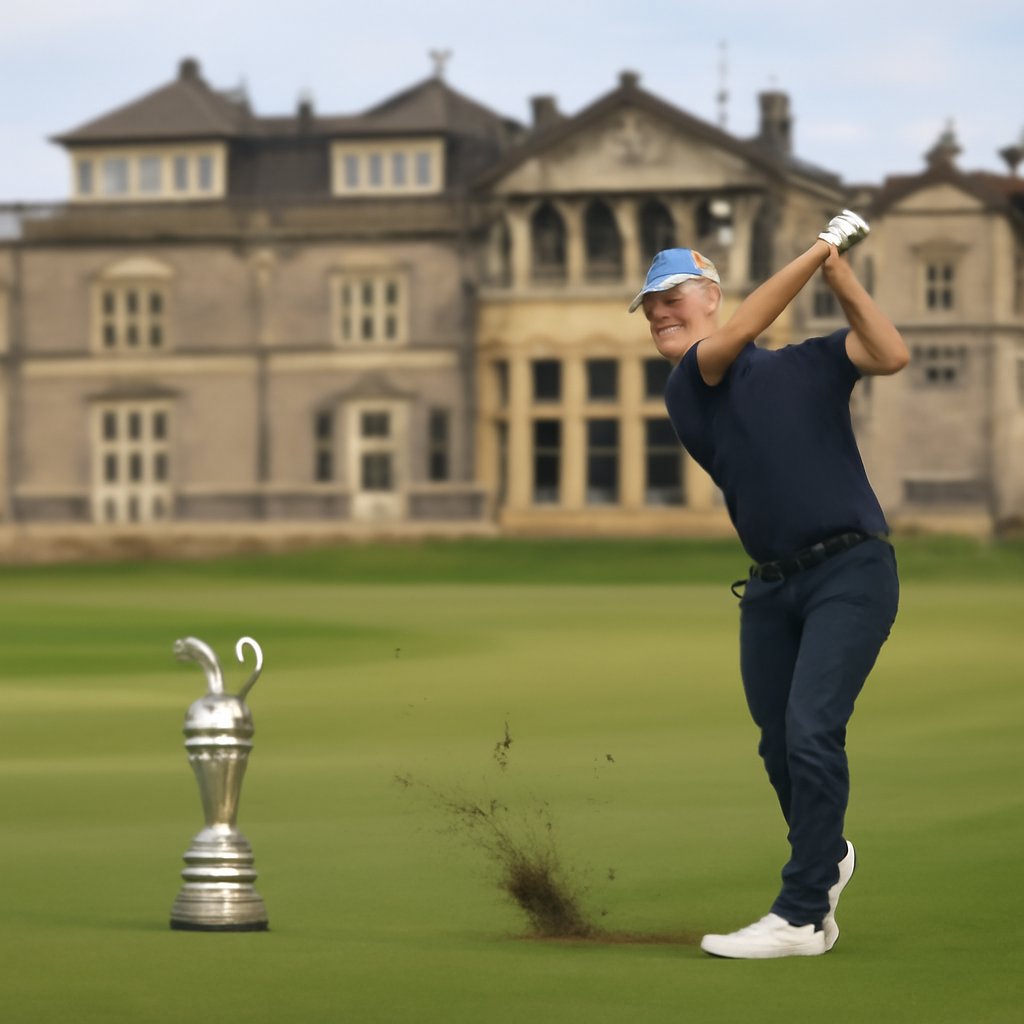
There’s something about standing on the windswept links of Scotland that makes the Claret Jug feel alive, its silver surface catching the light like the sea itself. As someone who follows the LPGA closely and has chased the scent of salt air and heather across 15 countries, I find this trophy captures more than victory—it holds the quiet hum of tradition that still echoes through every major. First awarded in 1873, the Claret Jug has become synonymous with victory at The Open, standing as a tangible link between modern PGA Tour stars and the game’s Scottish roots. Golf enthusiasts worldwide recognize its distinctive silver design, and its presence at venues like St Andrews or Royal Troon continues to elevate the prestige of the championship.
The story of the Claret Jug begins in the early 1870s when the Royal and Ancient Golf Club sought a permanent trophy to replace the earlier Challenge Belt. After Young Tom Morris claimed the Belt outright with three consecutive victories, organizers commissioned a new silver claret jug in 1872. Crafted by Mackay Cunningham & Company of Edinburgh, the trophy was modeled after a traditional wine vessel and first presented to Tom Kidd in 1873 at St Andrews. This marked the official start of the Claret Jug’s reign as the symbol of Open Championship success, instantly elevating the event’s status among major championships. When I played that course last spring, the same firm turf underfoot made me appreciate how early winners like Willie Park Jr. and Bob Ferguson turned repeat victories into a growing professionalism that still inspires LPGA players chasing links mastery today.
As The Open Championship expanded in the 20th century, the Claret Jug witnessed transformative moments that shaped golf history. Harry Vardon’s six victories between 1896 and 1914 established a benchmark that still stands, while American players like Walter Hagen and Bobby Jones brought global attention to the trophy in the 1920s. The jug’s journey through two world wars highlighted its resilience, with the event suspended from 1915-1919 and again from 1940-1945, yet the Claret Jug remained a beacon of continuity for the sport. Post-war eras saw legends such as Arnold Palmer, Jack Nicklaus, and Tom Watson etch their names on the trophy, each adding layers to its rich narrative. The 1970s and 1980s introduced television coverage that amplified the Claret Jug’s visibility, turning Open Sunday into must-watch PGA Tour news. Modern winners like Tiger Woods in 2000 and 2006, along with recent champions such as Collin Morikawa and Brian Harman, demonstrate how the Claret Jug continues to reward precision and mental fortitude on demanding coastal layouts. Exploring those same dunes at dawn, you can almost feel the mist lifting as history presses in around you.
Player profiles tied to the Claret Jug reveal compelling stories of perseverance and triumph. Seve Ballesteros captured the trophy in 1979 and 1984, bringing flair and passion that inspired generations of European golfers. Similarly, Nick Faldo’s three wins in the 1980s and 1990s showcased strategic mastery that remains a benchmark for aspiring professionals. These victories not only enriched the Claret Jug’s history but also influenced training methods still discussed in golf tips today. Contemporary stars like Rory McIlroy and Jordan Spieth have pursued the Claret Jug with intense focus, highlighting its enduring allure. Each engraving on the trophy tells a tale of links golf mastery, from dramatic final-round charges to weather-defying performances. The Claret Jug at the Open Championship serves as both reward and reminder of golf’s timeless values.
The Claret Jug was first awarded in 1873 to Tom Kidd at St Andrews and has been presented annually since 1878. Harry Vardon holds the record with six Open victories, the most engravings on the trophy. The original 1873 jug is kept at the R&A clubhouse, while a replica travels with the champion. Young Tom Morris won four consecutive Opens before the Claret Jug era began. American players have lifted the Claret Jug 33 times since Walter Hagen’s first win in 1922. The trophy stands 20 inches tall and weighs approximately 5.5 pounds when empty. St Andrews has hosted the most Opens with the Claret Jug on display, totaling 30 editions. Only five players have won the Claret Jug in three consecutive years: Young Tom Morris, Jamie Anderson, Bob Ferguson, Peter Thomson, and Tom Watson. The Claret Jug has been won by golfers from 12 different countries, underscoring its global reach. Engravings include both first and last names, with space carefully managed for future champions.
The Claret Jug continues to inspire golfers and fans alike, bridging generations through its elegant design and storied past. As major championships evolve with new technology and global audiences, the Claret Jug remains a steadfast reminder of golf’s heritage and the pursuit of excellence on the PGA Tour. Its legacy ensures that every Open Championship winner joins an elite fraternity forever linked to the sport’s most historic prize.