
Understanding the US Open Course Setups
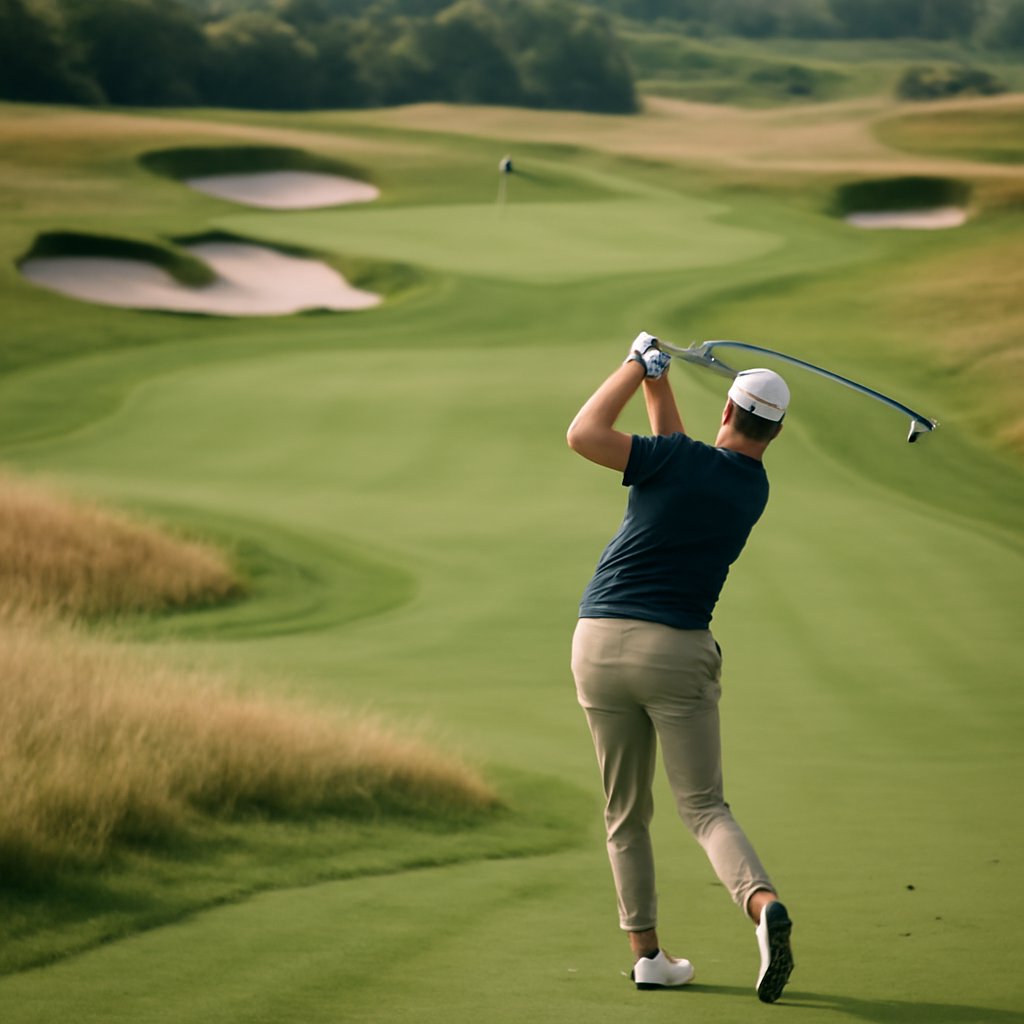
There’s something about the hush that falls over a US Open course on those first practice rounds—the way the fairways feel almost brittle underfoot, the air carrying that sharp scent of sun-baked grass and distant ocean salt if you’re lucky enough to be at a coastal venue. As someone who’s chased that same firm, fast sensation across more than two hundred layouts, I understand why the USGA’s setups turn this major into such a stern examination. They lean hard into accuracy, patience, and mental steel rather than sheer power, and it shows in every detail from Oakmont’s punishing contours to Pebble Beach’s wind-swept edges.
The guiding idea has always been to reward the player who keeps the ball in play. Thick rough, pinched fairways, and greens that race past thirteen on the Stimpmeter force even the longest hitters to dial back. When I played a similarly baked-out track last spring, I found myself laying up with a hybrid more often than I expected, simply to stay out of the heavy stuff that can swallow a ball whole. That same mindset separates contenders from the rest each June.
These conditions have grown more sophisticated over time, thanks to better turf science, yet the core remains unchanged: scoring averages sit stubbornly above par. It’s no accident that only a handful of players have finished under par in recent years. The average winning score since 2000 hovers around plus 1.8, a quiet testament to how the setups do their job.
What stands out most on the ground are the details that punish the smallest miss. Rough can reach four or five inches, turning a wayward drive into an exercise in damage control. Greens roll so slick that tucked pins on slopes routinely push leaders toward thirty-two putts a round. Bunkers sit exactly where recovery shots are hardest, and elevated tees add another layer of distance judgment. I’ve watched LPGA players navigate comparable firmness at events I’ve covered, and the lesson is always the same: ball-striking consistency matters more than heroics.
The USGA’s setup philosophy extends far beyond simply letting the grass grow. In the weeks leading up to the championship, the association’s agronomy team works closely with the host course to fine-tune every element. They establish specific target speeds for the greens—typically between 12.5 and 13.5 on the Stimpmeter—ensuring consistency across all eighteen holes. This precision prevents any single green from becoming unfairly advantageous or disadvantageous. The fairway width is measured to the inch in some cases, with the USGA’s goal being to reward good drives while making the rough genuinely penal. On average, fairways measure between 25 and 30 yards wide, compared to roughly 40 yards at most PGA Tour events.
The bunker strategy deserves particular attention. USGA course designers position bunkers not just to catch errant shots, but to strategically frame approach angles. They’ll often place sand hazards where a player might naturally try to recover with an easy pitch, forcing difficult decisions about line and club selection. Bunker lips are typically maintained at aggressive angles, and the sand itself is often coarser than players prefer, making clean contact from the bunker considerably more demanding. I’ve seen professionals spend extra practice time specifically working on bunker escapes in the days before the championship begins.
Players adapt in their own ways. Accuracy-first golfers like Collin Morikawa thrive by simply staying in the short grass, while bigger hitters learn to throttle back. Weather adds its own variable; a dry spell turns the course into a minefield, and wind can make par fives play like nightmares. The ones who prevail are those who map pin locations days ahead and treat par as a victory rather than a disappointment.
One often-overlooked aspect of US Open setups is the role of pin placement strategy. The USGA employs a rotation system that ensures pins are positioned fairly across the week, with no green growing excessively worn from repeated foot traffic. However, later in the week—particularly on Thursday and Friday when the cut is still being determined—pins are placed more aggressively. Back-right corners, slopes that feed away from the hole, and perches where long grass borders the green become standard. By contrast, earlier and later rounds occasionally see slightly more forgiving positions, though “forgiving” at a US Open is a relative term.
The numbers tell the story plainly. Rough depth and green speed combine to drop approach accuracy from the hay dramatically. Top-ten finishers typically hit over sixty-five percent of fairways. Those who manage expectations and grind out pars in the final rounds tend to lift the trophy. Statistics from recent championships show that the difference between a champion and a runner-up often comes down to just a handful of crucial pars saved from difficult positions. The average US Open champion makes roughly fifteen to eighteen birdies over 72 holes—a strikingly low total for an elite professional—while maintaining a bogey count that rarely exceeds three or four.
Temperature and humidity profoundly influence how US Open courses play. The USGA strategically schedules the championship for early to mid-June, when many northern courses are drying out from spring moisture. This natural progression toward firmer conditions is part of the design. I’ve observed that when conditions are particularly dry, ball flight distances increase, forcing the USGA to either position tees further back or accept that scoring will trend lower. Conversely, unusually wet springs have occasionally forced the association to soften some setup elements to prevent courses from becoming unplayable.
The mental aspect of competing on these setups cannot be overstated. Players must reframe their entire approach to the game. Pars become the new birdies; a three-under round feels like a victory. This psychological recalibration separates champions from those who fold under the pressure of inability to post red numbers. Champions like Brooks Koepka and Jon Rahm have succeeded repeatedly because they embrace the grind and refuse to force shots. They understand that patience compounds over 72 holes.
Amateurs can borrow the same mindset by seeking firmer lies and quicker surfaces at home. Consider practicing on municipal courses that skimp on watering during summer months, or work with your home course superintendent to occasionally let greens run faster than usual. Spend time in thick rough to understand how different swing speeds and trajectories escape those conditions. Spend extra time on course management drills rather than pure distance work. These adjustments won’t perfectly replicate the US Open, but they’ll deepen your appreciation for the championship’s demands and improve your ability to score when conditions tighten.
The setups don’t just crown a champion; they remind everyone watching what golf looks like when every shot is earned.