
Women’s Golf Shoes: Complete Fit & Buying Guide
If you’ve ever finished a round with sore arches or a slip on a wet fairway, your shoes are probably the culprit. Womens golf shoes have come a long way from the stiff, boxy models of a decade ago — today’s options blend running-shoe comfort with legitimate stability for the swing. Whether you’re chasing your first sub-90 round or just want to walk 18 without foot pain, picking the right pair matters more than most golfers realize.
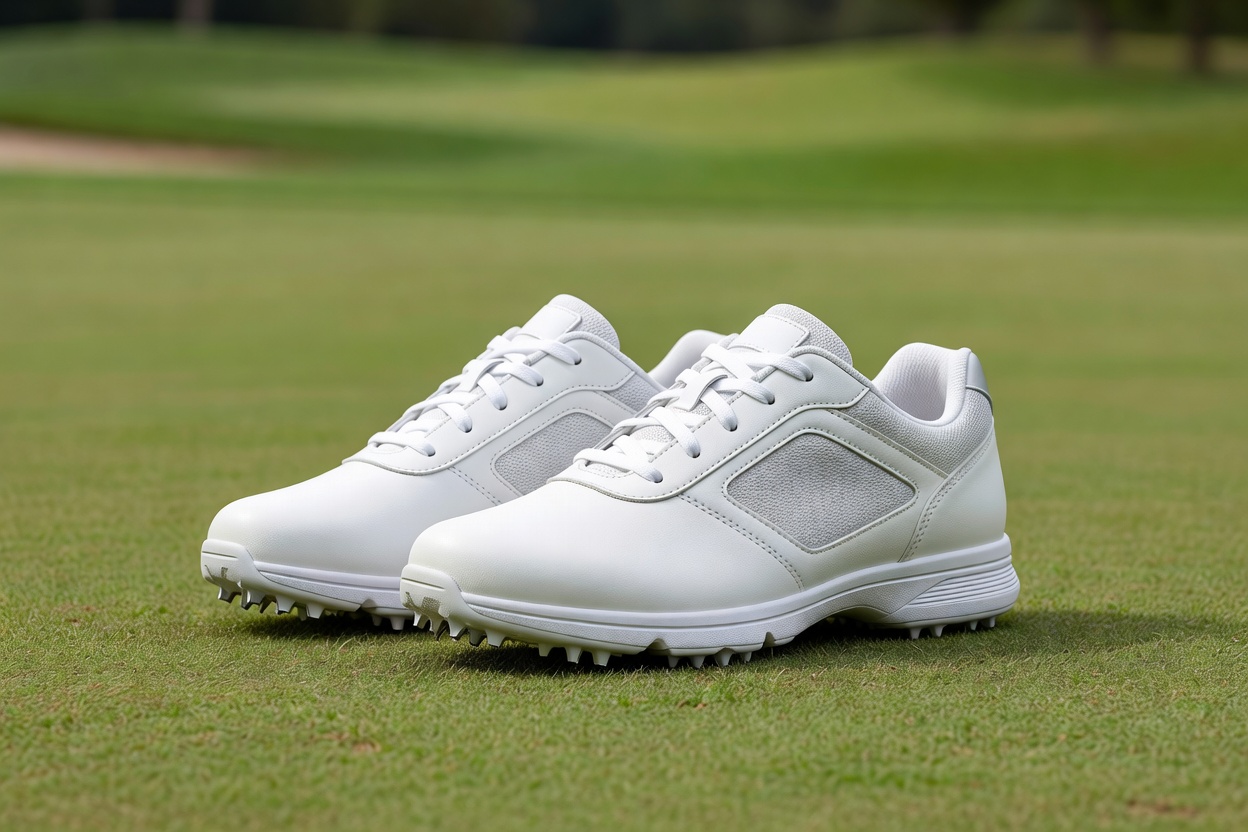
This guide breaks down what actually matters when shopping for golf footwear, the current styles worth considering, and a few fitting tips that will save you from buying the wrong size twice.
Why Womens Golf Shoes Are Different From Regular Sneakers
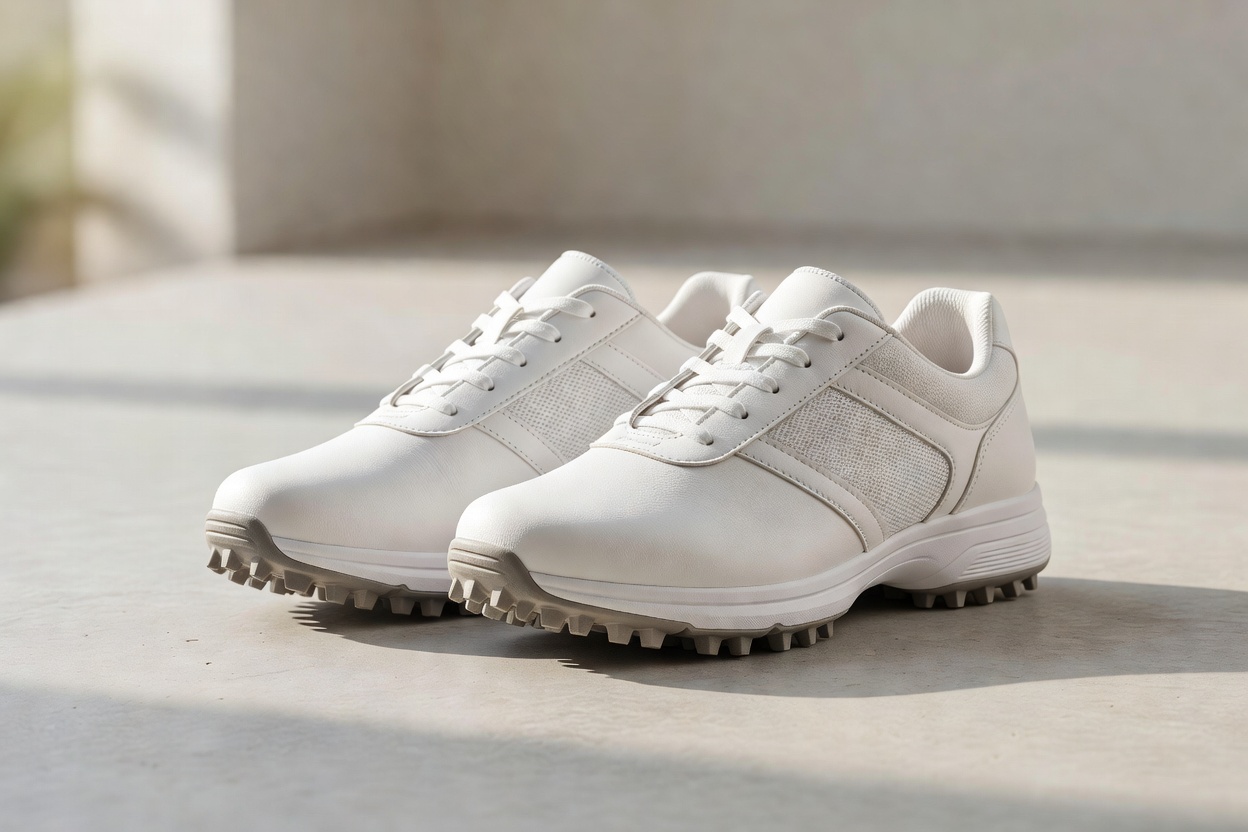
Golf shoes aren’t just sneakers with a logo slapped on. The golf swing generates significant lateral force as you rotate through impact, and your feet need to resist that sliding motion without restricting your hips and knees from turning naturally. Regular running shoes are built for forward motion, not rotational stability, which is why serious slippage during the downswing is such a common complaint among golfers who wear the wrong footwear.
Good golf shoes also manage moisture and temperature differently. You’re often outside for four to five hours, sometimes in humidity, sometimes in a light drizzle, so breathable uppers and water-resistant coatings do real work over the course of a round.
Key Features to Look For
- Traction system: Spiked (soft spike or metal-tipped) versus spikeless. Spikes generally offer more grip on wet or hilly courses; spikeless shoes are more versatile and comfortable for walking off the course too.
- Waterproofing: Look for a manufacturer warranty, not just a marketing claim. Brands like FootJoy and adidas typically back their waterproof models with one- or two-year guarantees.
- Width options: Many women have narrower heels and wider forefeet than standard lasts assume, so brands offering multiple widths tend to fit better long-term.
- Weight: Lighter shoes reduce fatigue on courses with a lot of hills or when you’re walking rather than riding.
- Arch support: This is where a lot of budget shoes cut corners, and it’s the first thing your feet will notice on hole 15.
Spiked vs. Spikeless: Which Is Right for You?
This is the most common question golfers ask when shopping for womens golf shoes, and the honest answer is: it depends on where and how you play.
Spiked Shoes
Soft spikes (the plastic or rubber cleats you twist into the outsole) provide superior traction, especially on wet grass, morning dew, or hilly terrain. They’re the safer choice if you play a lot of early tee times or courses with elevation changes. Most modern spikes are removable and replaceable, so a worn set doesn’t mean buying new shoes.
Spikeless Shoes
Spikeless models use a dimpled or lugged rubber sole similar to a trail shoe. They’ve gotten dramatically better at grip in recent years and are now good enough for most casual and even competitive play. The upside is comfort — you can wear them to brunch after your round without looking like you’re wearing cleats — and they tend to be lighter and more flexible. According to Golf Digest’s equipment testing, spikeless shoes have closed most of the traction gap with traditional spiked models over the past several seasons.
Top Considerations by Playing Style
Walkers
If you’re walking 18 holes regularly, prioritize cushioning and weight over anything else. A shoe with a running-shoe-style midsole (many brands now use foam compounds borrowed straight from their athletic shoe lines) will make a noticeable difference by the back nine.
Riders
If you’re mostly in a cart, you have more flexibility to prioritize style and breathability since fatigue is less of a factor. This is a good category to experiment with bolder colors or lower-profile designs.
Beginners
New golfers often overpay for tour-level performance features they don’t need yet. A mid-range spikeless shoe with solid arch support and a wide toe box is usually the smarter first purchase, leaving room to upgrade once you know your swing and playing habits better.
Fit Tips That Actually Matter
- Shop in the afternoon or after a walk if possible — feet swell throughout the day, and golf shoes should account for that.
- Leave a thumb’s width of space at the toe, same as running shoe fitting guidance.
- Try shoes with the socks you’ll actually wear on the course, not thin dress socks.
- If you have wide feet, check the brand’s specific width chart rather than assuming your usual size will work — fit varies significantly between brands like Skechers Go Golf, ECCO, and Puma.
- Break in new spiked shoes on a practice range before wearing them in a full round, especially if the upper is leather or synthetic leather.
Popular Brands Worth Comparing
FootJoy, adidas, ECCO, PUMA, and Skechers Go Golf currently dominate the women’s golf footwear market, each with a distinct personality. FootJoy leans traditional and comfort-focused with strong waterproofing tech. Adidas brings athletic-shoe DNA and tends to run true to size for wider feet. ECCO is known for premium leather construction and long-term durability, often cited in Golf.com’s gear reviews as a top pick for walkers. PUMA skews toward younger, style-forward golfers who want their course shoes to double as everyday sneakers. Skechers Go Golf offers strong value with lightweight builds that punch above their price point.
Caring for Your Golf Shoes
A little maintenance extends the life of any pair significantly. Wipe down uppers after wet rounds, let shoes air dry away from direct heat (which can crack leather and warp foam), and rotate between two pairs if you play frequently so each pair gets time to fully dry out between rounds. The USGA notes that equipment longevity, footwear included, is closely tied to proper post-round care rather than just purchase price.
At the end of the day, the best womens golf shoes are the ones that disappear on your feet — no slipping, no blisters, no distraction from your swing thoughts. Try a few styles on, walk around the pro shop or living room, and trust the fit over the flash.