
Women’s Golf Clubs: A Complete Buying Guide
Hey, if you’re a woman who loves this game and you’re tired of clubs that feel like they were designed for someone else, this one’s for you. Women’s golf clubs have come a long way from the old “shrink it and pink it” era. Today we’re talking about proper engineering built around how women actually swing. This women’s golf clubs buying guide breaks down exactly what matters when you’re ready to upgrade.
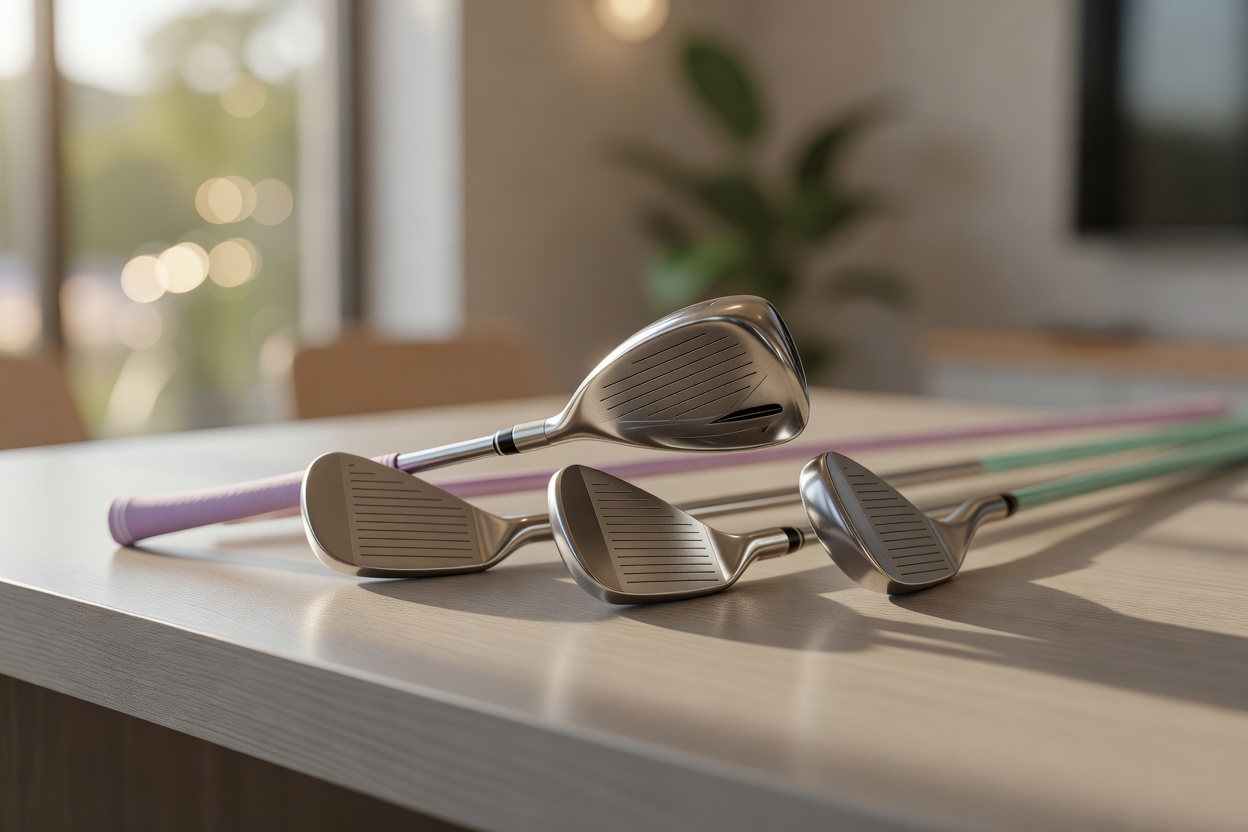
Short answer? The right set can shave strokes faster than most lessons.
Why Women’s Golf Clubs Are Different
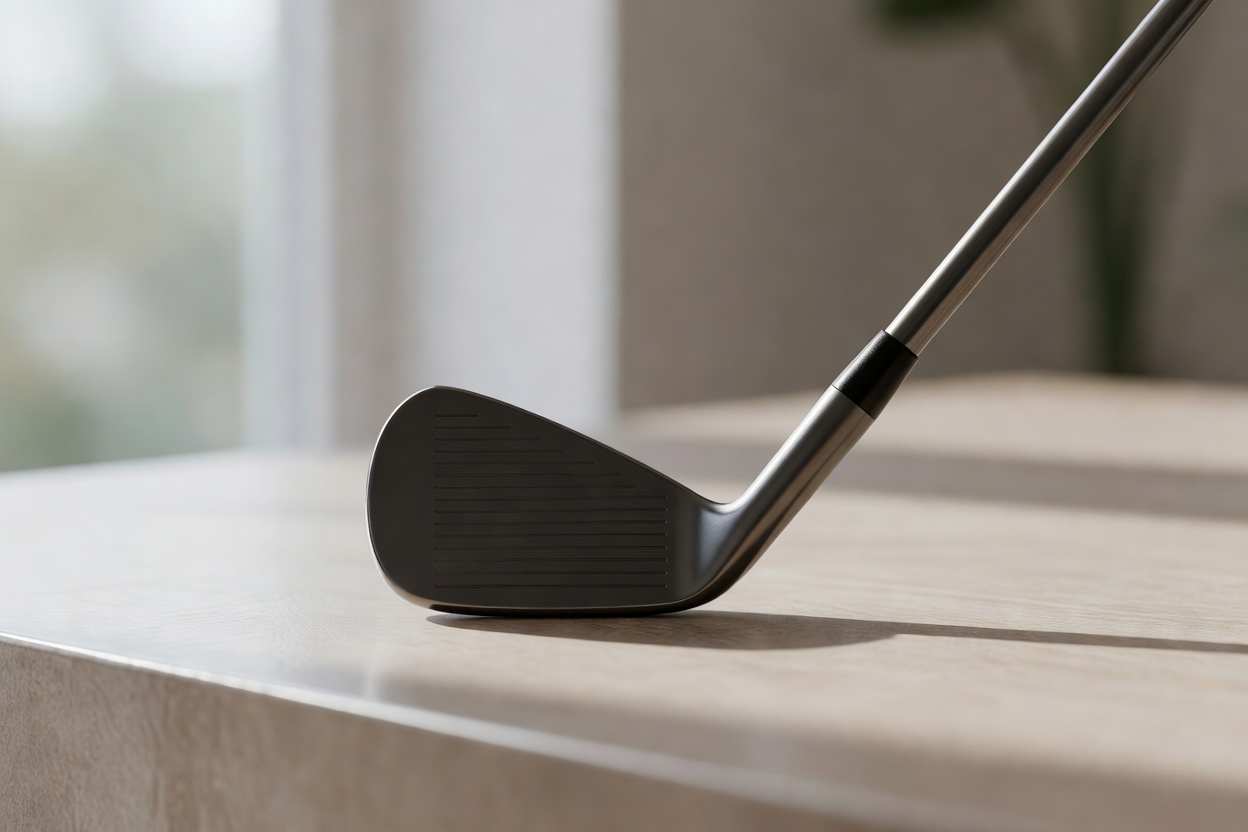
The differences aren’t marketing fluff. Women golfers typically generate lower clubhead speed than men of similar handicap, which is the single biggest reason stock men’s shafts feel unplayable for many women. Shafts in women’s clubs are lighter and more flexible. The lie angles tend to be more upright. Clubheads are often designed with higher launch in mind.
Club fitters consistently report the same pattern: a mid-handicap woman playing a shaft that is too stiff for her speed loses both launch height and carry with mid-irons, because she cannot load the shaft enough to deliver it squarely. That gap compounds over 18 holes.
Tour players at every level are fit to their own specs rather than to a category label, and that principle scales all the way down to a weekend player. The right specs let an athletic swing work naturally instead of fighting the equipment.
The Counterintuitive Truth
Here’s something that might surprise you. Many women actually perform better with slightly heavier shafts than the standard “ladies” flex being pushed in stores. The lightest shafts can create control issues for stronger players. Sometimes the obvious choice isn’t the right one.
Key Specifications That Actually Matter
Length comes first. Standard women’s irons run about an inch shorter than men’s. But don’t assume that’s automatically right for you. Somewhere between 5’4″ and 5’8″ tends to be the sweet spot where standard lengths work beautifully. Taller players often need men’s lengths with ladies flex. Shorter players sometimes benefit from junior or custom lengths.
Loft is another area where many get it wrong. Modern women’s drivers often carry 12 to 13.5 degrees of loft. This helps get the ball up quickly. Yet some stronger players actually launch better with 10.5 or even 9-degree heads paired with the right shaft.
Grip size deserves more attention than it gets. A standard ladies grip is only fractionally smaller in diameter than a men’s standard grip — a difference measured in hundredths of an inch, not half an inch — yet it changes how actively the hands release the club. If your hands are particularly small, going even smaller can improve feel dramatically.
- Shaft weight: Usually 45-55g in drivers, 50-65g in irons
- Flex: Ladies (L), Senior (A), or Regular (R) depending on speed
- Clubhead design: Often more offset and draw-biased for consistency
- Center of gravity: Positioned higher to promote easier launch
Building Your Perfect Set Makeup
The old 3-wood, 5-wood, 3-9, PW setup doesn’t work for everyone anymore. Many women now carry a 5-wood or even 7-wood instead of long irons. These fairway woods launch easier and land softer on greens.
In practice, we’ve seen huge success with sets that replace the 3 and 4-iron with hybrids. The average female amateur hits her 4-hybrid about as far as her 5-iron used to go with the old blade irons. That’s real progress.
Consider Annika Sorenstam’s famous set evolution. She moved toward more hybrids and higher lofted woods as she got older while maintaining incredible accuracy. Her approach offers a smart template for club selection at any level.
Budget Options vs Premium Women’s Golf Clubs
You don’t need to spend $1,200 to get excellent women’s clubs. The mid-tier options from Callaway, TaylorMade, and Cobra have narrowed the performance gap considerably. Many sets in the $600-900 range perform within a few yards of their premium siblings.
That said, the feel difference at impact between a $400 set and a $1400 set can be substantial. The premium clubs often track straighter on mishits and provide better feedback. Whether that difference is worth it depends entirely on how much you play and how fast you improve.
A common piece of fitter advice: a beginner is usually better served by quality used clubs from a couple of model years back than by a brand-new entry-level boxed set. The used market offers real value right now. A two-year-old premium set can often be found for half the original price.
Fitting: The Non-Negotiable Step
Buying off the rack is like buying shoes without trying them on. A proper fitting session changes everything. Most women who get fitted properly see immediate improvement in ball striking and consistency.
Launch-monitor fitting works because it measures your actual delivery — speed, angle of attack, spin, dispersion — instead of guessing from a category label. Most of the gain comes from correcting launch and spin, not from swinging harder.
Don’t let anyone talk you into a quick 10-minute session at a big box store. Find an independent fitter or a premium shop that will spend at least 45 minutes understanding your swing. The difference is night and day.
Women’s golf clubs aren’t just smaller men’s clubs anymore. They’re purpose-built tools designed around female swing characteristics. When you get the right ones, golf becomes noticeably more fun.
The real question is this: how many more strokes are you willing to give up before you finally get properly fitted?