
The Psychology Behind Clutch Putting on the PGA Tour
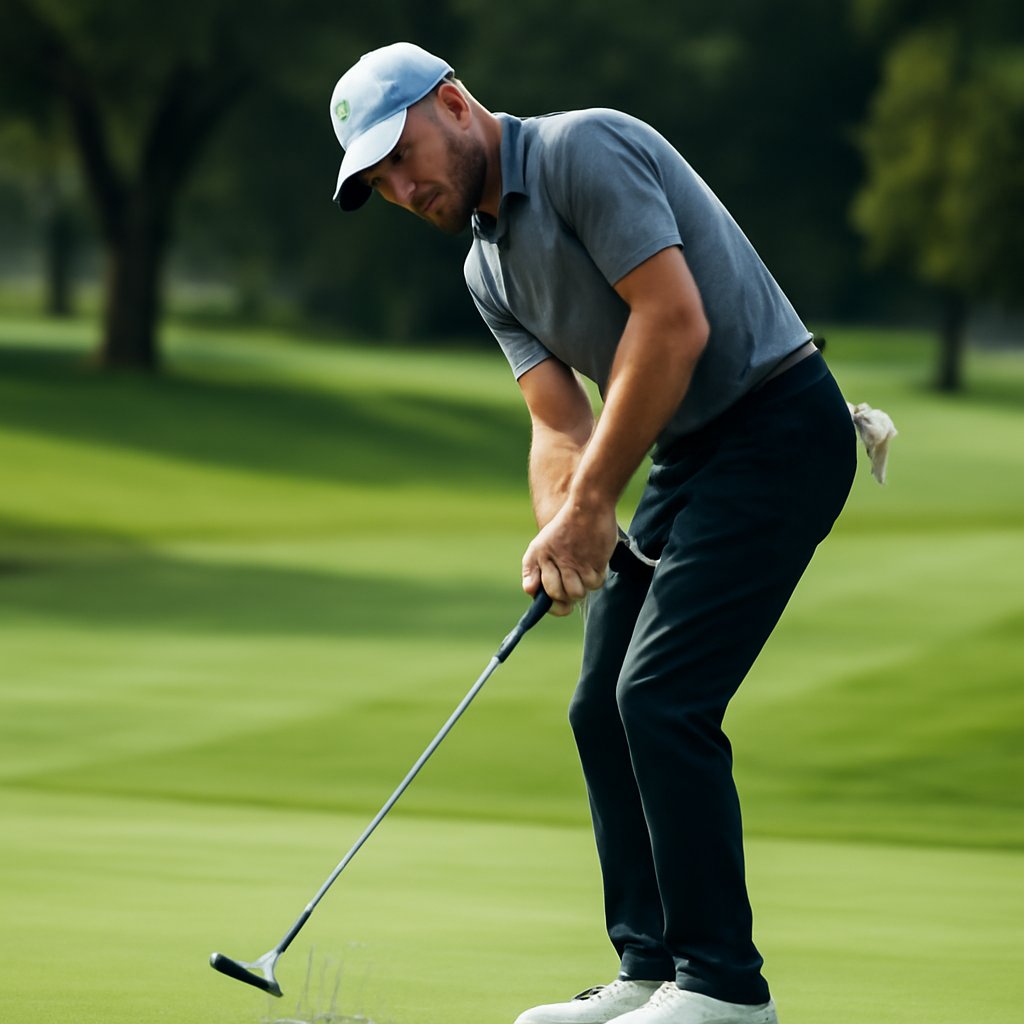
Clutch putting on the PGA Tour isn’t just about the stroke—it’s the head game that separates the guys who cash checks from those who fold. I’ve played enough rounds to know that making must-make putts inside ten feet on Sunday comes down to mental resilience, locking in focus when the cortisol’s pumping, and shutting out everything else. As a former club pro, I can tell you the players who thrive here lean on visualization, rock-solid routines, and emotional control to get it done.
That pressure spikes because the whole world’s watching and the outcome’s on the line. Elevated stress messes with fine motor control, but the elite putters reframe it as excitement instead of a threat. They build pre-putt routines that keep them grounded—reading the break, seeing the line, and sticking to the same number of practice strokes every time. That repetition becomes a trigger that cuts the anxiety and lets the putt roll true.
Top guys like Collin Morikawa and Justin Rose hammer visualization into their prep. They mentally roll the ball on the exact path and watch it drop before they even step up. It fires the same brain pathways as real reps, which builds confidence fast. Data backs it: combining that imagery with physical work can lift one-putt percentages on the short ones by solid margins.
Focus and emotional control are what really split the clutch performers from the rest. Narrowing in on the target line instead of the result keeps you from freezing up. Controlled breathing and quick positive self-talk reset the slate after a miss, so one bad roll doesn’t snowball. Reframing misses as just data—not failures—lets players adjust speed or aim without dragging baggage to the next hole. Rose and Morikawa have shown how that mindset turns into consistent Sunday heat.
The yips hit some veterans hard, turning muscle memory into a liability under stress. Mindfulness and cognitive resets have pulled several back in—accepting the twitch without fighting it, then locking back onto process keys to restore rhythm when it matters most.
Majors are the real proving ground. Tiger Woods at the 2019 Masters drained those clutch par putts on the back nine because decades of mental reps kept him present and trusting his read with the whole planet tuned in. Rory McIlroy’s 2024 Wells Fargo run showed how a quick walk and focused breaths between holes can hold putting accuracy steady all day. These aren’t flukes; they’re the payoff from long-term conditioning.
The numbers line up the same way. Top-10 strokes-gained putters convert 92 percent of putts inside six feet in final rounds. Ten minutes of daily visualization ties to a 7 percent bump in one-putt rates. Sunday leaders in majors average 1.65 putts per green in regulation versus 1.82 for the field. Pre-putt breathing cuts heart-rate spikes by up to 18 percent in sims, and established routines keep performance within 3 percent of practice levels come playoff time.
Understanding the neuroscience behind clutch performance reveals why some players excel under pressure while others crumble. When a golfer faces a high-stakes putt, the amygdala—the brain’s threat-detection center—activates, triggering the fight-or-flight response. This floods the system with adrenaline and cortisol, which narrows peripheral vision, accelerates heart rate, and can cause the hands to shake. Tour pros who manage this response best aren’t necessarily the most talented; they’re the ones who’ve trained their nervous systems to stay calm. The prefrontal cortex, responsible for rational decision-making and focus, shuts down under extreme stress, which is why overthinking a putt almost always backfires. Champions quiet the amygdala by anchoring to their routine—the same breathing pattern, the same number of practice strokes, the same pre-shot trigger. This neurological anchoring keeps the prefrontal cortex online and prevents panic from hijacking the stroke.
One often-overlooked mental skill is what sports psychologists call “process focus.” Instead of thinking about sinking the putt or the consequences of missing, elite putters zoom in on the mechanics: the line, the speed, the tempo. This subtle shift in attention prevents outcome anxiety from interfering with motor execution. Research shows that when golfers focus on the outcome, their stroke becomes tense and abbreviated. When they focus on process—smooth acceleration, steady head position—the putt flows naturally. Scottie Scheffler’s recent dominance reflects this mastery; he speaks often about reading the break and trusting the process rather than worrying about results.
The role of pre-putt routines extends beyond just calming nerves. A consistent routine actually rewires neural pathways through repetition, creating what neuroscientists call “automaticity.” When something becomes automatic, it requires less conscious effort and is less vulnerable to pressure interference. A Tour pro’s pre-putt routine—typically lasting 30 to 60 seconds—includes specific steps: reading the green, aligning the putter face, taking practice strokes, and a final read. This sequencing triggers muscle memory and allows the golfer to execute the stroke on autopilot, exactly when pressure would otherwise interfere. The routine also serves as a psychological reset button. If a player is frustrated from a previous hole or distracted by external noise, executing the full routine refocuses attention and brings the nervous system back into balance.
Breathing techniques deserve special mention because their impact on clutch performance is both immediate and measurable. Box breathing—inhaling for four counts, holding for four, exhaling for four, holding for four—has been shown to regulate heart rate variability and parasympathetic activation within seconds. Players like Jon Rahm incorporate deliberate breathing into their between-shot routine, especially after missed putts or poor breaks. This physiological reset prevents frustration from compounding into poor decision-making on the next hole. Some Tour pros take a deep breath while reading the break, another while addressing the ball, and a final one just before the stroke. This rhythm not only steadies the nervous system but also sets a tempo for the entire putt.
Visualization works best when it’s specific and multisensory. Rather than simply picturing the ball going in, top putters engage all their senses: they see the line, feel the putter weight, hear the sound of the ball hitting the cup, and feel the emotions of success. Research in sports psychology confirms that this rich, immersive mental rehearsal fires the same motor cortex regions as actual physical practice. Studies with golfers show that 10 minutes of daily multisensory visualization boosts performance nearly as much as an hour of physical practice. The combination—visualization plus physical work—is where the real gains emerge. Professionals spend significant time on the practice green not just hitting putts, but pairing that physical work with detailed mental imagery.
Dealing with adversity in the moment is another critical skill that separates clutch performers from the field. Even the best putters miss. What matters is the immediate mental response. Champions use what’s called “cognitive reframing”—the ability to reinterpret a missed putt as useful feedback rather than a failure. A player might think, “That break was tighter than I read; I’ll adjust my aim accordingly” instead of “I choked; I can’t make putts.” This reframing prevents negative self-talk from spiraling and keeps the player solution-focused. Additionally, accepting that some putts won’t fall—even perfectly-stroked ones—paradoxically reduces anxiety. This “acceptance and commitment” approach acknowledges that miss, then commits fully to the next shot without emotional baggage.
The physical setup also interacts with psychology in subtle ways. A steady head position, a relaxed grip pressure, and proper putter alignment all reduce mechanical inconsistency, which in turn builds confidence. When a player knows they’re lined up correctly and executing the mechanics they’ve drilled thousands of times, conscious doubt decreases. This creates a positive feedback loop: sound mechanics build confidence, confidence reduces anxiety, lower anxiety preserves stroke quality, and good results reinforce the entire system.
Bottom line, clutch putting blends visualization, routine, emotional control, and experience. Players who sharpen those mental edges outperform when the tournament’s on the line. Aspiring golfers can build the same tools through deliberate work and mindfulness to handle their own pressure moments. It all comes down to technical precision paired with the psychological edge that crowns champions.