
Mens Golf Shoes: The Complete Buying Guide
Picking the right pair of mens golf shoes matters more than most weekend players realize. Your shoes are the only piece of equipment that connects you to the ground during the swing, and that connection controls stability, power transfer, and honestly, how your feet feel after 18 holes in July heat. Whether you’re walking a hilly municipal course or riding a cart at your home club, the right footwear changes your round.
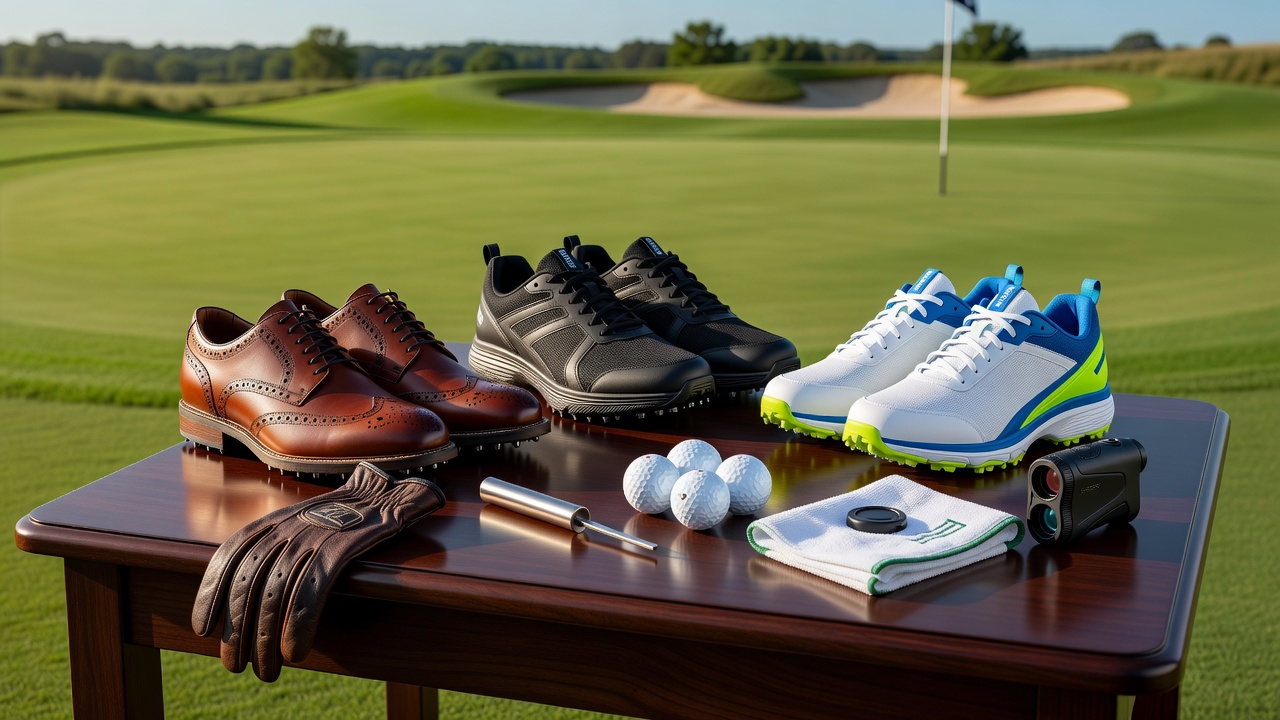
This guide breaks down what actually matters when shopping for mens golf shoes, how spikeless and spiked designs differ, and which options fit different budgets and playing styles.
Why Mens Golf Shoes Are Different From Regular Sneakers
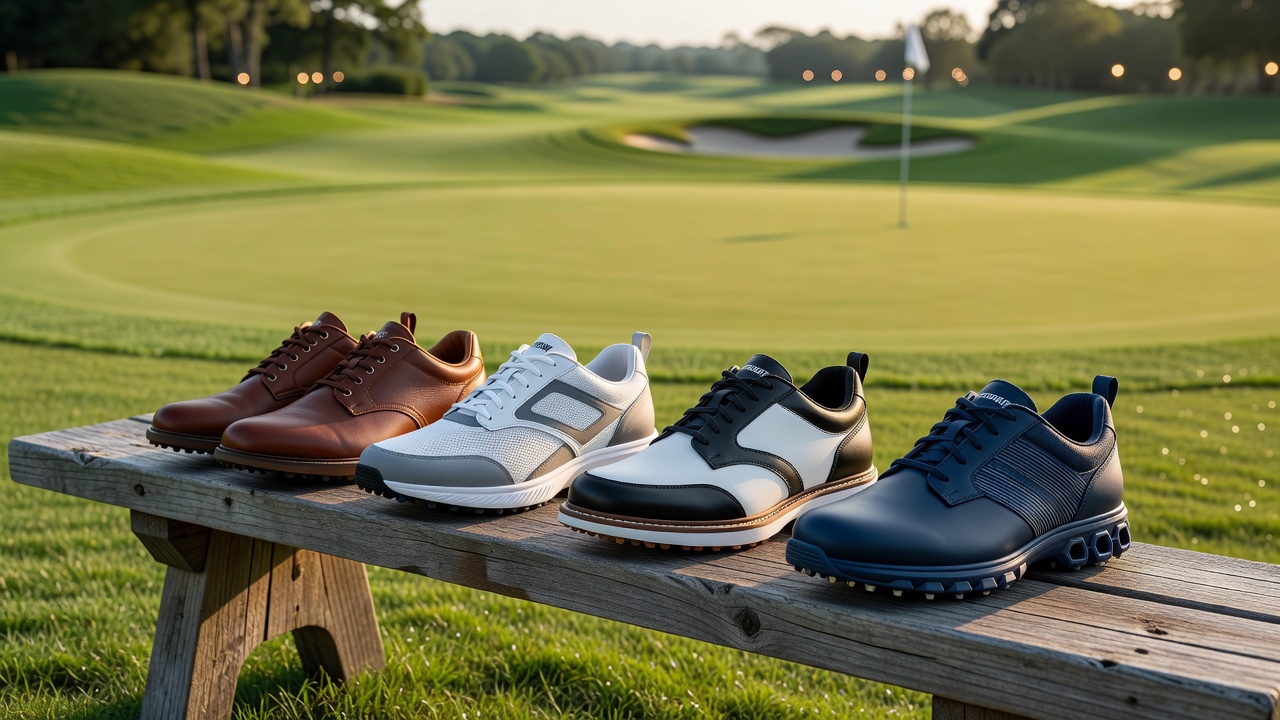
Golf shoes aren’t just sneakers with a logo slapped on. They’re engineered for a very specific motion — a rotational swing that puts unusual lateral and torque forces through your feet. A regular running shoe or casual sneaker will slide during your backswing and downswing, robbing you of power and consistency.
- Traction patterns designed for rotational stability, not just forward motion
- Waterproofing to handle morning dew and wet fairways
- Wider, more stable outsoles to support the weight shift through impact
- Lightweight uppers built for walking long distances comfortably
According to Golf.com’s equipment testing team, traction and stability consistently rank as the top factors influencing shot consistency among mid-to-high handicap golfers, even ahead of clubs in some testing scenarios.
Spiked vs Spikeless Mens Golf Shoes
This is the first real decision you’ll face, and there’s no universally “correct” answer — it depends on your course conditions and personal preference.
Spiked Golf Shoes
Traditional spiked shoes use replaceable plastic or metal cleats that dig into turf for maximum grip. They’re the go-to choice for golfers who play in wet, hilly, or soft-turf conditions, or anyone who swings hard and needs every bit of stability. The tradeoff is that they’re generally less comfortable for walking off the course and some clubs restrict metal spikes to protect greens.
Spikeless Golf Shoes
Spikeless shoes use rubber nubs or dimpled patterns molded directly into the outsole. They’ve exploded in popularity over the past decade because they look more like lifestyle sneakers, work great for walking to the clubhouse afterward, and still provide solid traction on dry to moderately wet courses. Brands like FootJoy, Adidas, and Ecco have leaned heavily into this category.
The PGA.com equipment section notes that most recreational golfers can’t feel a meaningful traction difference between quality spiked and spikeless models on dry courses, though tour pros still overwhelmingly prefer spikes for tournament conditions.
Key Features to Look For in Mens Golf Shoes
Waterproofing
Nobody wants soggy socks on the back nine. Look for a manufacturer waterproof guarantee — many top brands offer one or two-year warranties against leaks. Gore-Tex lined shoes tend to sit at the higher end of the price spectrum but hold up longest.
Fit and Width Options
Golf shoes are worn for four to five hours straight, often while walking several miles. A shoe that’s slightly too narrow will cause hot spots and blisters by hole 12. Most major brands now offer wide-width versions, which is a big deal if you’ve struggled with standard fits in the past.
Weight and Cushioning
Modern golf shoes have borrowed heavily from running shoe technology. Foam midsoles, similar to what you’d find in a daily trainer, have made golf shoes noticeably lighter and more cushioned than the stiff leather models of twenty years ago. If you walk your rounds, this matters enormously for how your legs feel afterward.
Breathability
Summer rounds in humid climates make breathable mesh uppers worth prioritizing, even if it means sacrificing a bit of waterproof performance. Some golfers keep two pairs — a breathable mesh shoe for summer and a fully waterproof pair for spring and fall.
Top Mens Golf Shoes Brands Worth Considering
- FootJoy — The most trusted name in golf footwear, with the Pro/SL line offering excellent all-around performance for most budgets
- Adidas Golf — Known for stylish, athletic-inspired silhouettes and strong traction via their Boost cushioning technology
- Nike — Fewer models than in past years, but the React Infinity Pro remains a favorite among golfers who want a running-shoe feel
- Ecco — Premium leather construction with a European fit, popular among golfers prioritizing long-term durability
- Puma — Budget-friendly options with solid performance, especially the Ignite line
- G/Fore — Fashion-forward designs for golfers who care about style as much as performance
How Much Should You Spend on Mens Golf Shoes?
Prices generally fall into three tiers:
- Budget ($60–$100): Entry-level spikeless shoes, fine for casual golfers who play occasionally
- Mid-range ($100–$160): The sweet spot for most golfers — solid waterproofing, decent cushioning, and durable outsoles
- Premium ($160–$250+): Gore-Tex waterproofing, tour-level traction systems, and premium leather uppers built to last multiple seasons
Golf Digest’s annual footwear testing, referenced in Golf Digest’s hot list coverage, consistently finds that mid-range shoes deliver the best performance-to-price ratio for the average golfer, with diminishing returns once you cross the $200 mark unless you’re playing 50+ rounds a year.
Caring for Your Golf Shoes
A little maintenance stretches the life of any pair significantly:
- Wipe down mud and grass immediately after your round
- Let shoes air dry naturally — never use direct heat, which cracks leather and warps foam midsoles
- Rotate between two pairs if you play frequently, giving each pair time to fully dry between rounds
- Replace spikes when traction feels noticeably reduced, typically every 40-60 rounds
Final Thoughts on Choosing Mens Golf Shoes
The best mens golf shoes for you depend on how often you play, what conditions you typically face, and whether comfort or traction tops your priority list. Try a few pairs on if you can, walk around the shop, and pay attention to how your foot sits in the heel and through the midfoot. A shoe that feels great standing in a store aisle should feel even better after four hours on the course.