
How to Choose the Right Golf Ball for Your Game
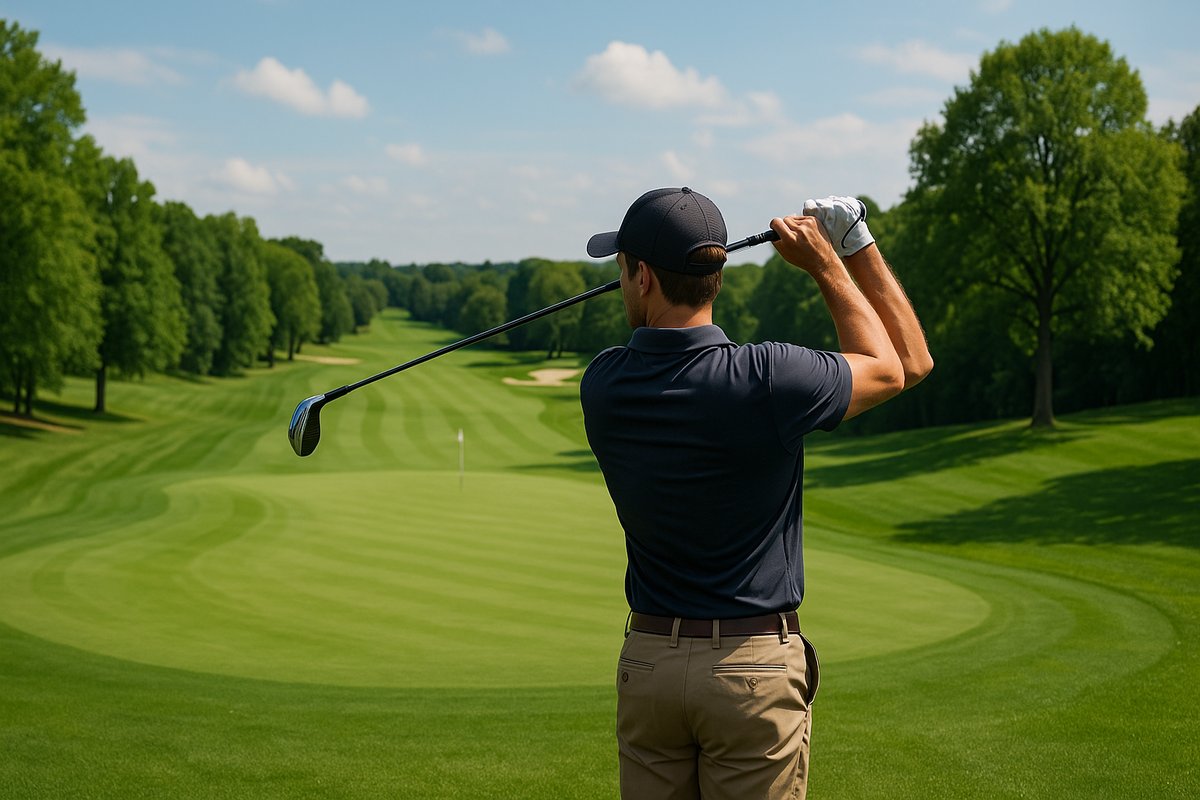
There’s nothing quite like the quiet thrill of unpacking your clubs on a windswept links in Scotland or a lush parkland layout in New Zealand, the air thick with salt or eucalyptus, and realizing your ball choice might be the difference between a soaring drive that carries the burn or a hesitant approach that plugs in the soft fringe. As someone who follows the LPGA closely and has played more than two hundred courses across fifteen countries, I’ve learned that selecting the right golf ball isn’t just technical—it’s deeply personal and tied to the sensory rhythm of travel itself.
The construction of a golf ball directly influences how it performs through the air and on the greens. Modern golf balls typically feature two-piece, three-piece, or four-piece designs, each tailored to different player types. Two-piece balls prioritize distance with a solid rubber core and durable Surlyn cover, making them ideal for beginners seeking maximum yardage off the tee. In contrast, multi-layer balls used by PGA Tour professionals incorporate urethane covers that provide superior spin and feel around the greens. When I played that course last spring in Portugal, the morning dew still clinging to the fairways, the lower-compression two-piece option felt forgiving in the cool air, launching with a satisfying thump that carried farther than I expected.
The core is the engine of the golf ball, often made from rubber or synthetic materials that compress upon impact. Higher compression cores suit faster swing speeds common among tour players, while lower compression options help average golfers achieve better energy transfer. Mantle layers in premium balls add stability and control, reducing side spin on mishits during high-stakes moments in major championships. Surlyn covers offer durability and lower spin for straighter shots, whereas urethane covers deliver the soft feel preferred by players like Rory McIlroy. This choice becomes critical when approaching tight pins at events such as the Masters, where precision matters more than raw distance.
Every golfer has a unique swing, and the right golf ball must complement that motion. Swing speed is a primary factor—players under 90 mph benefit from low-compression balls that launch higher and carry farther, while those exceeding 105 mph gain from firmer constructions that reduce excessive spin. Skill level also plays a role, as high-handicap golfers often prioritize forgiveness over workability. Studying how top professionals select their equipment provides valuable insights. Jordan Spieth favors balls with balanced spin for his precise iron play, helping him navigate Augusta National’s tricky greens in major championships. Similarly, Bryson DeChambeau’s high-speed swing pairs with firmer balls engineered for explosive distance. These choices are not random; they result from extensive testing that everyday golfers can replicate on their local courses.
Windy links-style venues demand lower-spinning balls to maintain control, while soft parkland courses reward higher-spinning options for stopping power. Factoring in these variables ensures your selection enhances performance regardless of the setting. Once you narrow options based on construction and swing data, on-course testing is essential. Spend several rounds with two or three models, tracking metrics such as carry distance, dispersion, and greenside control. Many golfers discover that a slight change in ball model can add five to ten yards off the tee while improving short-game feel.
Premium urethane balls cost more but last through multiple rounds when cared for properly. Budget-conscious players may start with mid-range three-piece models that still deliver noticeable improvements over basic distance balls. Long-term, the right golf ball for your game reduces frustration and builds confidence in every aspect of play. Historical data from majors shows that ball selection has contributed to iconic victories. Players who matched their equipment to specific course demands often gained decisive edges in putting and approach shots, underscoring why amateurs should treat ball choice with similar seriousness.
– Low-compression balls can increase distance by up to 8 yards for golfers with swing speeds below 85 mph.
– Urethane-covered balls generate 30 percent more spin on wedge shots compared to Surlyn models.
– Over 70 percent of PGA Tour players use four-piece constructions during major championship weeks.
– Switching to the correct ball can lower average scores by 1.5 strokes per round according to recent player surveys.
– Compression ratings range from 40 for soft-feel balls to 100+ for distance-oriented options used by power hitters.
Selecting the right golf ball for your game requires attention to construction, swing characteristics, and personal testing. By drawing inspiration from PGA Tour professionals and applying these principles consistently, golfers at every level can unlock better distance, control, and enjoyment. Start experimenting today and watch your scores improve across all types of courses and conditions.
Sources
- PGA Tour Equipment – Official equipment information and specifications
- Golf Digest Gear – Expert reviews and buying guides for golf equipment
- Golf.com Equipment – Comprehensive equipment testing and recommendations
- Golf Channel Gear – Professional equipment analysis and player comparisons
- ESPN Golf – News, equipment insights, and professional golf coverage