
The Untold Story of Jack Nicklaus’ Record 18 Majors
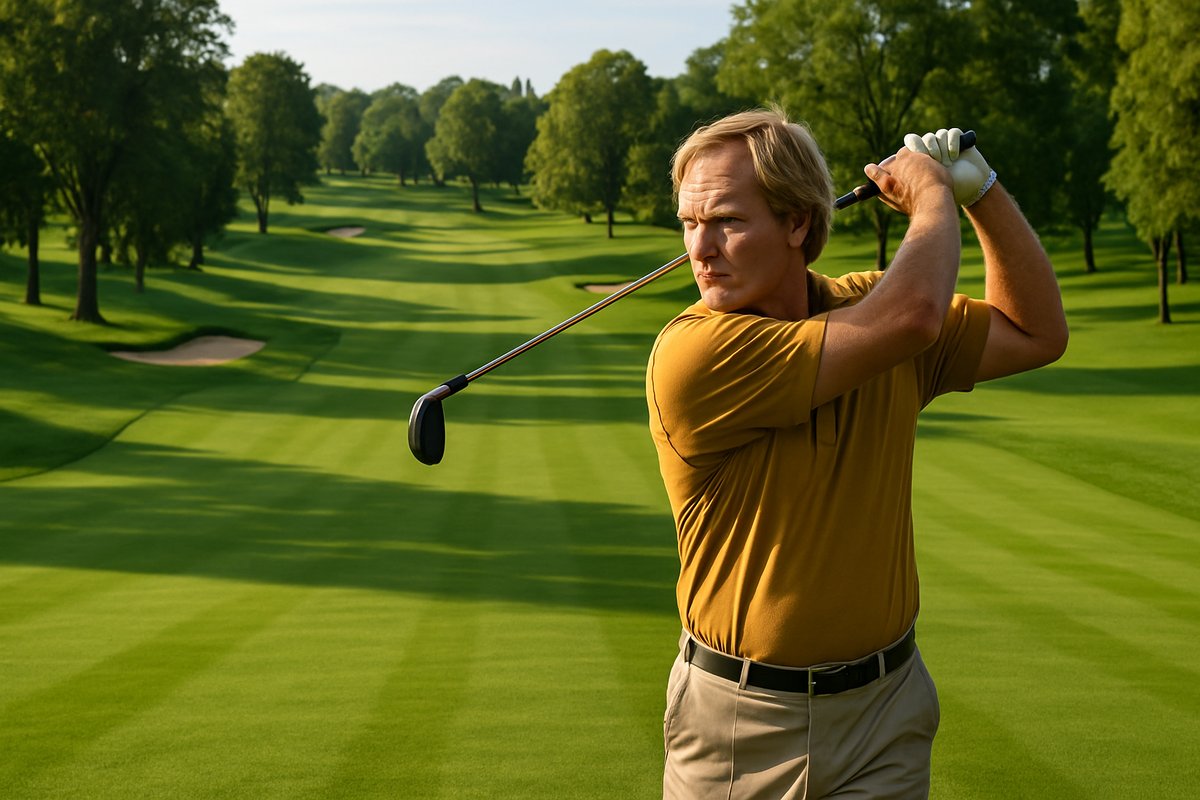
Jack Nicklaus’ 18 majors still set the standard that every PGA Tour player measures himself against. The way he stacked wins across the Masters, U.S. Open, Open Championship, and PGA Championship wasn’t just talent—it was power, iron control, and a brain that stayed two shots ahead of the field.
His breakthrough came in ’62 at Oakmont, where he took down Arnold Palmer in a playoff. The kid from Ohio—already tagged the Golden Bear—blended serious length off the tee with that laser iron game that left Arnie chasing. I’ve played enough rounds to know that course management like his beats raw distance every time. By the next year he’d already grabbed his first green jacket at Augusta, and you could see the adjustments: smoother takeaway, less tension, better lines on those long par fours.
What made Nicklaus different from his peers was his willingness to evolve. Unlike some players who stuck to one formula, he understood that major championships demanded constant refinement. After that ’63 Masters win, he spent time with his swing coach Jack Grout, fine-tuning mechanics that would serve him for decades. This wasn’t vanity—it was the mark of a true champion. He studied the nuances of each major venue, understanding that Augusta’s Bermuda grass played different from the bent grass at Pebble Beach, and both required strategies distinct from the firm links of St. Andrews.
Behind the scenes Nicklaus leaned hard on visualization. He’d walk the property days early, picturing every wind and lie. That mental loop is something guys like Rory and Scottie still copy when they’re chasing a major. What separated Jack’s visualization from others was the specificity. He didn’t just imagine making putts—he mapped out exact yardages, considered how adrenaline might affect his swing speed, and prepared contingency plans for poor weather. His caddie Angelo Argea kept meticulous notes on wind patterns and pin positions from previous years, giving Nicklaus data points that most competitors simply ignored.
The statistical dominance speaks for itself, but the consistency across different decades is even more impressive. In the 1960s, Nicklaus won eight majors while Palmer was still in his prime. The 1970s saw him claim six more, even as players like Tom Weiskopf and Johnny Miller were in their peak years. Then came the 1980s, when Nicklaus added four more majors despite being in his forties while younger, stronger competitors filled the field. That’s not luck—that’s systematic excellence.
Through the ’70s he kept adding to the tally, including three Open titles. The ’78 win at St. Andrews showed why he owns the all-time lead—smart play around those famous bunkers instead of trying to overpower the links. His battles with Tom Watson gave every PGA Tour event extra juice back then. The famous duel at Turnberry in 1977 cemented both their legacies, though Watson edged him out. Even in defeat, Nicklaus pushed the sport forward, raising the bar for what was possible. Those head-to-head battles taught the next generation that major championships were won through sustained excellence, not just one brilliant round.
As he got older he shortened the backswing a touch but kept distance control sharp. As a former club pro, I can tell you that once driver accuracy slips, the short game becomes the real weapon, exactly like Nicklaus leaned on. By his late thirties, Nicklaus had already won 16 majors, and many assumed the record was untouchable. But he proved otherwise by winning the 1980 U.S. Open at Baltusrol at age 40, a victory that shocked the golf world. Two years later, he won the PGA Championship at age 42. These weren’t fluky wins—they came against world-class fields and required complete control of every aspect of the game.
He even talked openly about softening his grip pressure to fight fatigue over those long major weeks. Those tweaks helped him close the book with his 18th at the ’86 Masters at age 46—the oldest winner ever. That final victory remains one of sport’s greatest achievements. Playing alongside Greg Norman, Nicklaus shot 65 in the final round, carding nine birdies. Norman himself said afterward that he’d never seen anything like it. The 30-year gap between his first major and his last is a testament to durability, consistency, and an almost obsessive commitment to preparation.
The rivalries with Palmer and later Greg Norman showed his fire. He kept bouncing back from close calls, like the ’71 U.S. Open playoff loss, and he built courses that still punish sloppy strategy. His competitive fire never dimmed, even when age should have slowed him. What’s often forgotten is how gracious Nicklaus was in victory. He respected his competitors and acknowledged their contributions to the sport. This humility, paired with his ruthless competitiveness, made him a unique figure in golf history. Caddies and playing partners always mentioned the quiet confidence and the way he carried himself—stuff that goes beyond the numbers.
The 1986 Masters wasn’t just a personal achievement—it changed how we think about longevity in sports. Nicklaus proved that with proper conditioning, mental toughness, and strategic adjustments, age need not be a barrier to peak performance. He inspired a generation of athletes to extend their competitive windows, and that influence ripples through professional sports today.
Key facts tell the story clean: 18 majors from ’62 to ’86, six Masters, five PGAs, four U.S. Opens, three Opens. Runner-up a record 19 times. Seventy-three PGA Tour wins total. Career Grand Slam three times over. At 46 he proved you can still contend when the body changes if the mind and the prep stay sharp. His scoring average in majors was consistently lower than his PGA Tour average, proving he elevated his game when it mattered most.
Nicklaus’ run wasn’t just a record—it was a blueprint for how to play this game at the highest level, and it still shapes what we see every major week. Today’s top players study his course management, his adaptability, and his mental resilience. Until Tiger Woods or another player breaks the 18-major mark, Jack Nicklaus will remain the measuring stick against which all champions are judged.