
Ludvig Aberg’\”s Explosive Entry into the PGA Tour
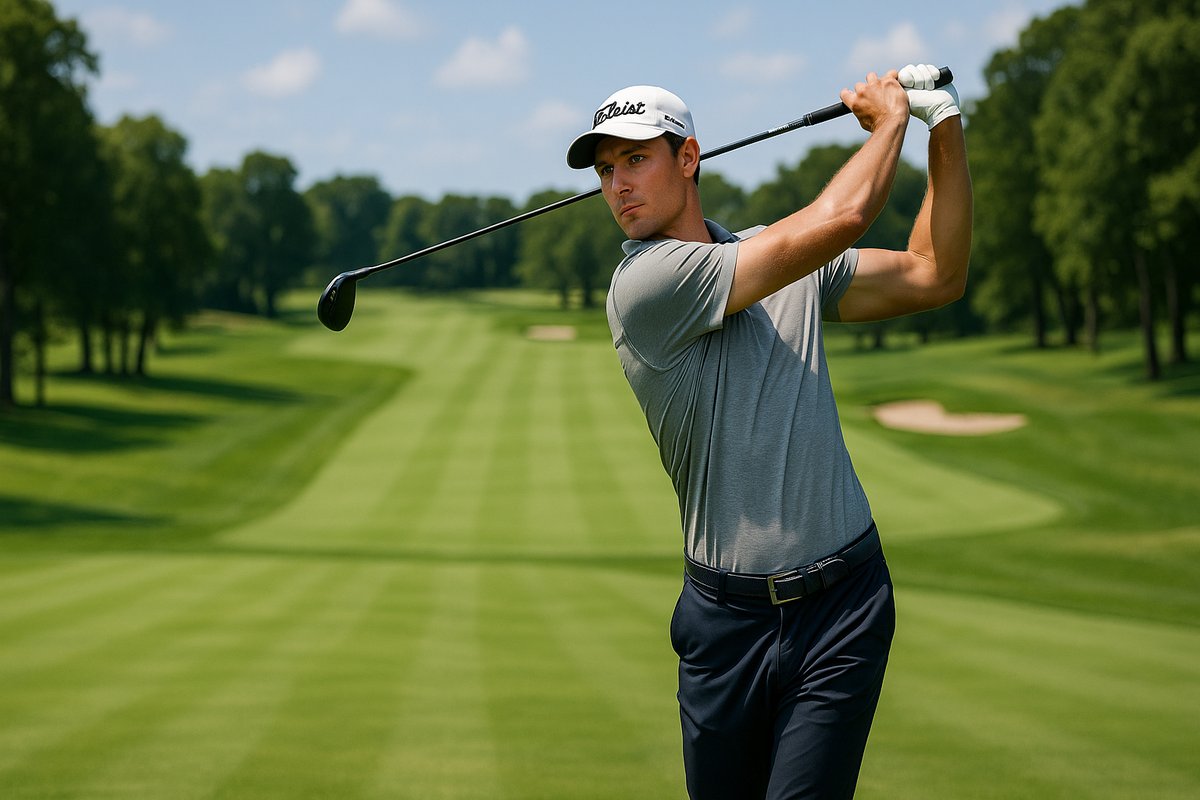
There’s something electric about watching a fresh talent burst onto the scene, especially when you’re wandering fairways halfway around the world and suddenly hear the same name whispered from the range at dawn. Catching Ludvig Aberg tear through his first PGA Tour events feels exactly like that—like spotting a new star before the crowd piles in. The guy went from college golf to pro in a flash, and the results came quick.
Aberg grew up swinging clubs near his home in Sweden, where the crisp northern air and long twilight evenings shape the way a young player learns patience. He packed up and headed to Texas Tech, where the competition got tougher fast. Around four years there sharpened his game into something reliable. I remember the dry Texas wind kicking up dust across the high plains when I played nearby courses last spring; it demands the same steady focus Aberg honed. He picked up a handful of college wins, but nothing screamed future major champion yet. Still, the kid showed steady improvement week after week. Coaches noticed how he handled bad rounds without letting them linger. That mental side started turning heads before he ever turned pro.
Texas Tech has a storied golf program, and competing within those ranks meant facing elevated talent regularly. Aberg’s teammates pushed him, and the Big 12 conference schedule tested his nerves constantly. Playing against future PGA Tour players week after week built confidence that translated directly once he turned professional. The Red Raiders program emphasizes course management and strategic thinking rather than just raw power—lessons that show up clearly in how Aberg navigates modern PGA Tour layouts. His ability to score without always hitting the driver furthest speaks to that foundation.
By senior year the decision loomed. Stay for another season or jump. Aberg chose the leap, and it paid off sooner than most expected. His amateur record sat solid, yet the real test waited on paid tours.
Turning professional in 2023 opened doors across Europe first. Aberg posted strong finishes on the DP World Tour, including a win that bumped his ranking fast. The move to PGA Tour cards came through solid play, not special invites. Early events showed he could handle bigger fields and tougher courses. Scores stayed low when others faded. Around that time people started whispering about a possible Ryder Cup spot, and it happened quicker than the usual timeline for Europeans. As someone who follows the LPGA closely, I’ve seen how that same quiet resilience shows up in players who travel constantly between continents—the jet-lagged mornings, the scent of pine and cut grass mixing with airplane coffee, yet the focus never slips.
What makes Aberg’s European campaign particularly impressive is how he adapted to different course conditions across multiple countries. Links-style courses in Scotland and Ireland demand a completely different approach than the manicured American layouts, yet he competed effectively on both. His ball flight control and ability to shape shots in wind proved invaluable. Winning on the DP World Tour at such a young age validated his skills against seasoned internationals who’d been grinding for years. That victory wasn’t a lucky streak—it came from consistent ball-striking and smart decision-making under pressure.
One contrarian note here: many figured the jump from college to PGA would bring growing pains like it does for most rookies, but Aberg skipped the typical slump almost entirely. His ball-striking stayed consistent from the start, which helped more than raw power. Statistics from his early PGA Tour events showed he ranked among leaders in key metrics like strokes gained off the tee and approach shots. Those numbers don’t lie; they reveal a golfer whose fundamentals remained rock-solid through the transition.
First PGA starts brought top-ten finishes that surprised even optimistic fans. Aberg mixed birdie runs with smart pars when greens got firm. Travel between continents added fatigue, yet he kept energy high. Sponsors noticed fast, and media attention grew, but he kept the same low-key approach from his college days. Practice rounds focused on short game tweaks rather than big swing changes. Results followed, with prize money climbing into seven figures before his first full season ended. Fellow players mentioned his calm presence in the locker room, a quiet confidence that rubbed off. Fans online debated whether this pace could last or if a correction waited around the corner. So far the trend points upward.
The short game deserves special mention here. Aberg’s chipping and pitching from various distances around the green showed maturity that typically takes years to develop. He wasn’t trying spectacular shots; instead, he positioned himself for easier opportunities and executed them. His putting stroke, while not always perfectly rolled, benefited from smart green reading and course awareness. He played percentages, which is exactly what separates good tour players from great ones.
Comparing Aberg to other recent European imports to the PGA Tour reveals some interesting patterns. Like Jon Rahm and Viktor Hovland before him, Aberg brings a technical approach to the game mixed with genuine competitive fire. The Swedish golf tradition emphasizes precision and discipline—values that translated seamlessly to his professional career. His peers from European tours already understand the importance of managing expectations and staying grounded, lessons American college programs sometimes overlook in favor of individual achievement.
Looking ahead, Aberg lines up against veterans who know every trick. Majors will test whether his game travels to the longest rough and fastest greens. Equipment tweaks might come, but the core swing looks built to last. Off-course habits, like recovery routines, could decide how many seasons he stays at the top. The insight is simple: real staying power comes from treating every week like a fresh start instead of chasing the last highlight.
His swing mechanics reveal an interesting approach worth noting for aspiring golfers. Unlike some modern tour players who rely on extreme athleticism and speed, Aberg built his game on a repeatable motion and smart positioning. His setup and alignment remain consistent, allowing him to trust his swing even under tournament pressure. He doesn’t overthink technical adjustments; instead, he trusts the process developed over thousands of practice hours.
The fitness component shouldn’t be overlooked either. Swedish golfers, particularly those competing internationally, understand the importance of flexibility, strength, and endurance. Aberg maintains a training regimen that supports his swing mechanics without forcing any unnatural movements. Recovery between events receives equal attention, which explains how he avoids the fatigue and injury patterns that sometimes derail young tour players grinding through back-to-back tournaments.
He turned professional at 23 after finishing college. Yes, he claimed a DP World Tour title shortly after turning pro. His ability to stay consistent under pressure sets him apart early on. Tournament wins typically prove a player’s readiness more than any statistic, and Aberg’s early victory demonstrated that he could close out events against quality fields. The mental aspects—staying patient down the stretch, managing pressure, and executing when it matters most—all showed up clearly in that win.
As his career unfolds, watching Aberg’s evolution will prove fascinating for golf fans. Whether he becomes a major champion remains to be written, but the foundation looks exceptionally solid. His path from Swedish junior golf through Texas Tech to European and American tour success represents exactly the kind of international development modern professional golf encourages. The next few seasons will reveal whether his current trajectory continues upward or if, like all rising stars, he faces inevitable challenges and learning curves.