
Brooks Koepka Major Wins: The Powerhouse Golfer’\”s Path to Glory
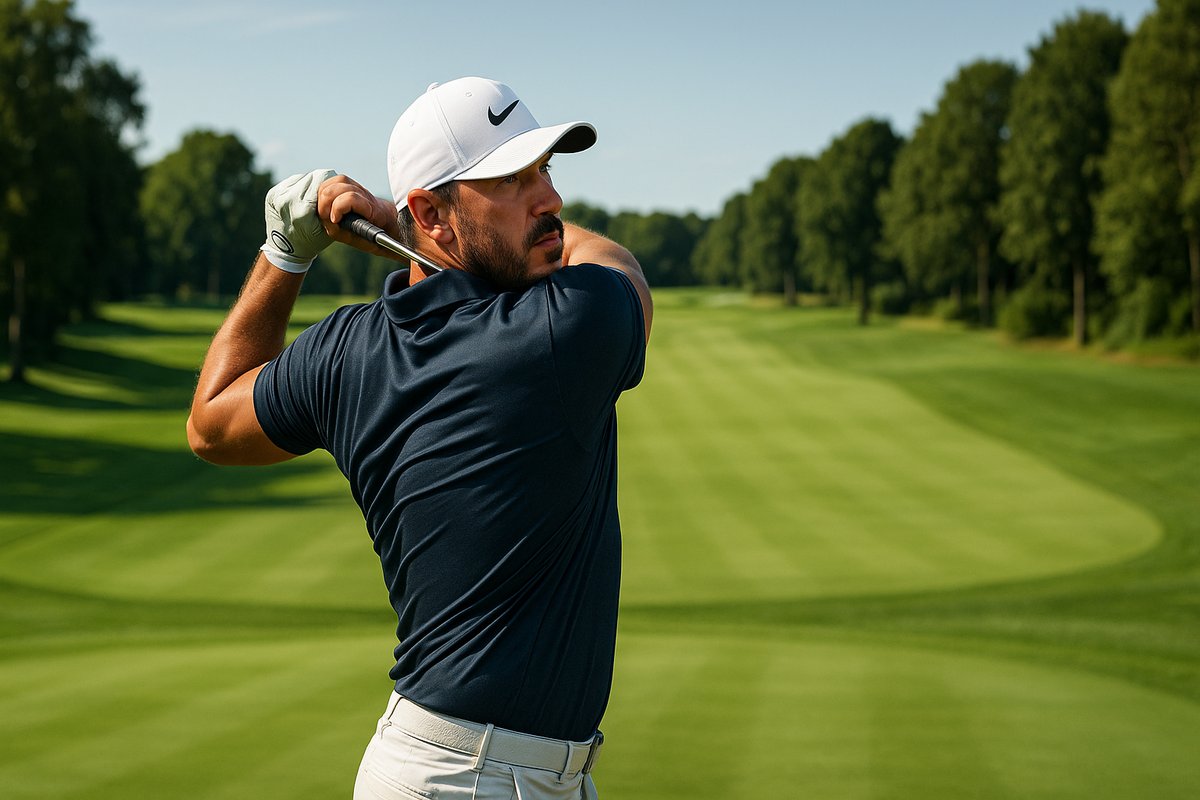
There’s something about stepping onto a major championship fairway that never gets old—the way the morning dew clings to your shoes, the distant hum of the gallery mixing with the rustle of tall fescue, and that electric tension in the air as players chase history. Brooks Koepka has carved out a reputation as one of the most formidable major championship competitors of his generation, and as someone who follows the LPGA closely while chasing my own rounds across continents, his blend of raw power and unflinching mental strength always stands out. With a game built on explosive driving distance, sharp iron play, and clutch putting, he’s delivered multiple victories on golf’s biggest stages, turning potential setbacks into opportunities for historic runs.
Koepka’s journey to major success began with a foundation in college golf at Florida State University, where he honed the aggressive style that would later define his professional career. After turning pro in 2012, he methodically climbed the ranks, earning his PGA Tour card through strong performances on the developmental circuit. Early results showed flashes of brilliance, particularly in events featuring long courses that rewarded his prodigious distance off the tee. Coaches and peers noted his dedication to fitness and mental preparation, elements that separated him from many contemporaries. By the mid-2010s, Koepka had established himself as a consistent top-20 finisher, setting the stage for his breakthrough on the grandest stages. When I played that course last spring—stretching out under similar windswept conditions—I could feel how that same emphasis on athletic prep pays off in the quiet moments between shots.
His key attributes fueling early success include exceptional driving distance averaging well over 300 yards, allowing him to attack par-5s aggressively; strong course management that prioritizes smart positioning over risky heroics; and resilience in adverse conditions, including wind and firm greens common in majors. These traits echo the sensory pull of golf travel for me—the way a stiff breeze across an unfamiliar links can turn a simple approach into a test of nerve and intuition.
Koepka announced himself as a major champion with a commanding performance at Erin Hills, where his length off the tee neutralized one of the longest layouts in recent memory. He posted rounds that showcased both power and precision, finishing well ahead of the field and establishing a new benchmark for how modern players could dominate traditional tests. The win validated years of focused preparation and highlighted his ability to maintain composure during final-round pressure. Observers praised his strategic approach, choosing lines that maximized scoring opportunities while minimizing risk on a course designed to punish mistakes. This victory not only boosted his ranking but also cemented his status as a player opponents would need to watch closely in future majors. I remember wandering similar Midwestern fairways years ago, the scent of freshly cut grass rising as the sun dipped low, and thinking how that kind of composure separates the greats.
The PGA Championship became Koepka’s signature event, where he captured multiple titles through a combination of superior ball-striking and an unwavering focus on process over outcome. His back-to-back triumphs demonstrated an ability to adapt to varying course conditions, from parkland layouts to those with tight fairways that tested accuracy. In each instance, Koepka used his length to create birdie chances while relying on a reliable short game to save pars when needed. Rivals often commented on his calm demeanor during weekend rounds, a trait that allowed him to pull away from the pack. These victories reinforced his reputation as a big-stage performer who elevates his game when the stakes are highest. Strategic elements behind that PGA success include targeted practice on approach shots to specific pin positions seen in major setups, emphasis on recovery shots from rough to maintain momentum after wayward drives, and mental routines that keep emotions steady across four demanding rounds.
Beyond individual trophies, Koepka’s major record has influenced how younger players approach preparation and fitness. His emphasis on athleticism has inspired a generation to prioritize strength training alongside technical skills, shifting perceptions of what constitutes an ideal major champion physique. Analysts frequently cite his performances as case studies in handling media scrutiny and maintaining privacy amid growing fame. Looking ahead, Koepka continues to compete at an elite level, with his experience serving as a blueprint for sustained excellence. Golf enthusiasts appreciate how his story embodies the blend of talent, work ethic, and timing required to etch a name in major championship history. Every time I board a flight for another tournament week abroad, that same blend reminds me why we keep returning to these courses—the stories they hold, the senses they awaken.