
Xander Schauffele: The Olympic Golf Champion Who Captivated the World
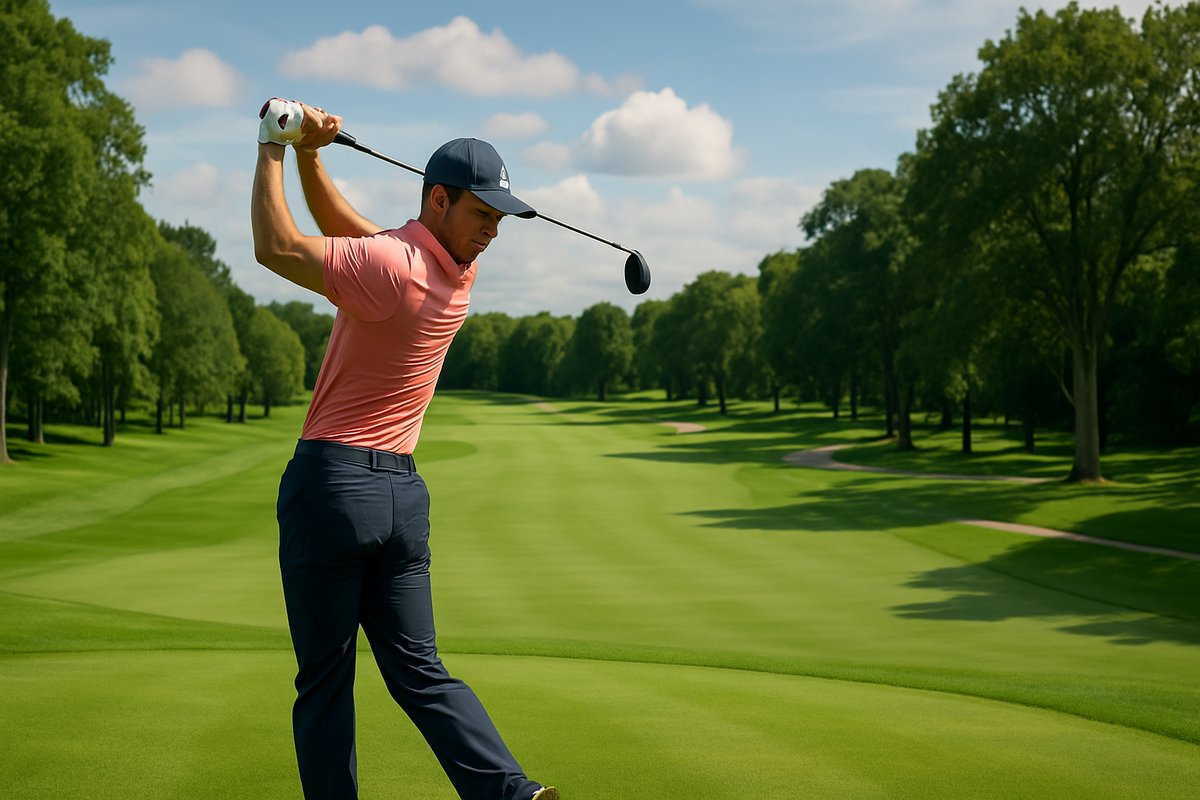
When Xander Schauffele walked onto that Olympic tee box, he wasn’t just carrying his bag—he was shouldering the expectations of American golf fans wanting our game to own the world stage. What followed was pure gold-medal ball-striking, a masterclass in course management and mental steadiness that had the rest of the field, including guys like Rory and Scottie, tipping their caps. I’ve played enough rounds to know that kind of composure under national-flag pressure doesn’t come from anywhere except years of grinding smart.
Schauffele’s road to that podium started on those California tracks where he learned to keep the ball in play instead of chasing hero shots. He built a game around iron control and distance management that lets him attack par-5s without ever getting reckless on tighter holes. As a former club pro, I can tell you that approach wins more tournaments than raw distance ever will. His putting stroke stays rhythmic, not forced, and his pre-shot routines hold up when the wind starts blowing and the leaderboard tightens on the back nine.
You saw it in his final round: steady scoring mixed with just enough birdie chances while protecting the lead with precise wedges. That’s the same foundation he sharpened through better iron play, lag putting to kill three-jacks, and mental routines that keep the focus sharp over four days.
The path to Olympic glory for Schauffele included competing at the highest levels of professional golf, where he’d already proven himself as a consistent winner on the PGA Tour. His track record showed someone capable of handling pressure situations—multiple tournament victories and solid finishes in major championships demonstrated that he had the game and temperament to compete when it mattered most. The Olympic stage simply amplified what he’d already been building throughout his career. His selection for Team USA came with the confidence that he could represent his country with the same precision he brings to every tournament.
What made Schauffele’s approach particularly effective at the Olympics was his ability to stay patient over 72 holes. Golf tournaments at that level aren’t won by one spectacular round; they’re won by players who can string together four solid days while managing variables like weather, course conditions, and the mental toll of competing internationally. Schauffele’s experience grinding through PGA Tour schedules had conditioned him to understand the marathon nature of professional golf. He didn’t chase the lead aggressively; instead, he positioned himself where he could capitalize on opportunities while keeping the damage minimal on difficult stretches.
His iron play proved particularly crucial throughout the competition. Distance control with mid and long irons is where many amateurs lose strokes without realizing it. They either come up short and leave themselves difficult uphill putts, or they fly the green and face recovery shots. Schauffele’s iron precision meant he was consistently giving himself birdie looks while the rest of the field scrambled for pars. This isn’t flashy golf—it’s the kind of methodical, efficient scoring that wins major championships and Olympic medals.
The mental fortitude required to win at the Olympic Games deserves special mention. Representing your country adds a layer of pressure that typical tour events don’t carry. National expectations, media scrutiny, and the historical weight of Olympic competition can overwhelm even experienced players. Schauffele handled it by sticking to his process, trusting the preparation that had brought him to that level. He didn’t try to be a hero; he let his fundamentals do the talking. That’s a lesson every golfer can apply—when pressure mounts, falling back on your core strengths and proven routines beats trying to reinvent yourself in the moment.
Any player can steal pieces of this. Work on tempo and balance in your swing so contact stays repeatable when nerves hit. Read greens by feeling the subtle breaks instead of overthinking lines. On the range, throw down alignment sticks to groove target awareness, and always plot conservative routes on your scorecard before you tee off. Breathing steady before big shots helps too—I’ve watched plenty of amateurs blow leads simply because they never learned that.
Beyond technique, Schauffele’s win underscores the importance of course management philosophy. Before even stepping onto the first tee, championship-caliber players identify the holes where they’ll attack and the holes where par is a victory. This strategic framework prevents the emotional highs and lows that derail scoring. On a hole where the risk-reward favors defense, taking the safe play doesn’t feel like weakness—it feels like clarity. Conversely, when a scoring opportunity presents itself, players like Schauffele are ready to pounce because they’ve already committed to aggression at that specific moment. This kind of intentional golf beats reactive golf every single time.
His wedge play and short-game precision also played a starring role in the Olympic victory. The scoring clubs—pitching wedge, gap wedge, and sand wedge—are where tournaments are truly won or lost. It’s the difference between hitting greens in regulation consistently and leaving yourself scrambling from 40 yards out. Schauffele’s spent considerable time sharpening these tools, understanding distance gaps and how different swing speeds affect trajectory. For golfers looking to lower their scores, this is where the real work happens. It’s less glamorous than bombing drivers, but a tour pro’s advantage often comes from converting 85-yard shots into tap-in birdie putts while amateurs bogey the hole.
Schauffele’s win has already pulled more juniors and casual players into the game, proving that fundamentals still beat chasing the latest swing gimmick. He’s become that quiet ambassador American golf needed, the guy whose results speak louder than the hype. His Olympic victory isn’t a flash in the pan—it’s a validation of a comprehensive approach to the game that prioritizes consistency, smart decision-making, and relentless attention to detail.
Looking ahead, he keeps tweaking his setup and mental work the same way he did to claim gold, showing everyone that staying elite means never getting complacent with the details. The players who dominate their sport aren’t the ones who coast on past success; they’re the ones who understand that golf is an endless pursuit of incremental improvements. Schauffele’s continued evolution as a player suggests his Olympic medal is just one chapter in what could become a decorated career spanning decades.