
The Complete Guide to Golf Carts: Types, Features, and What You Need to Know
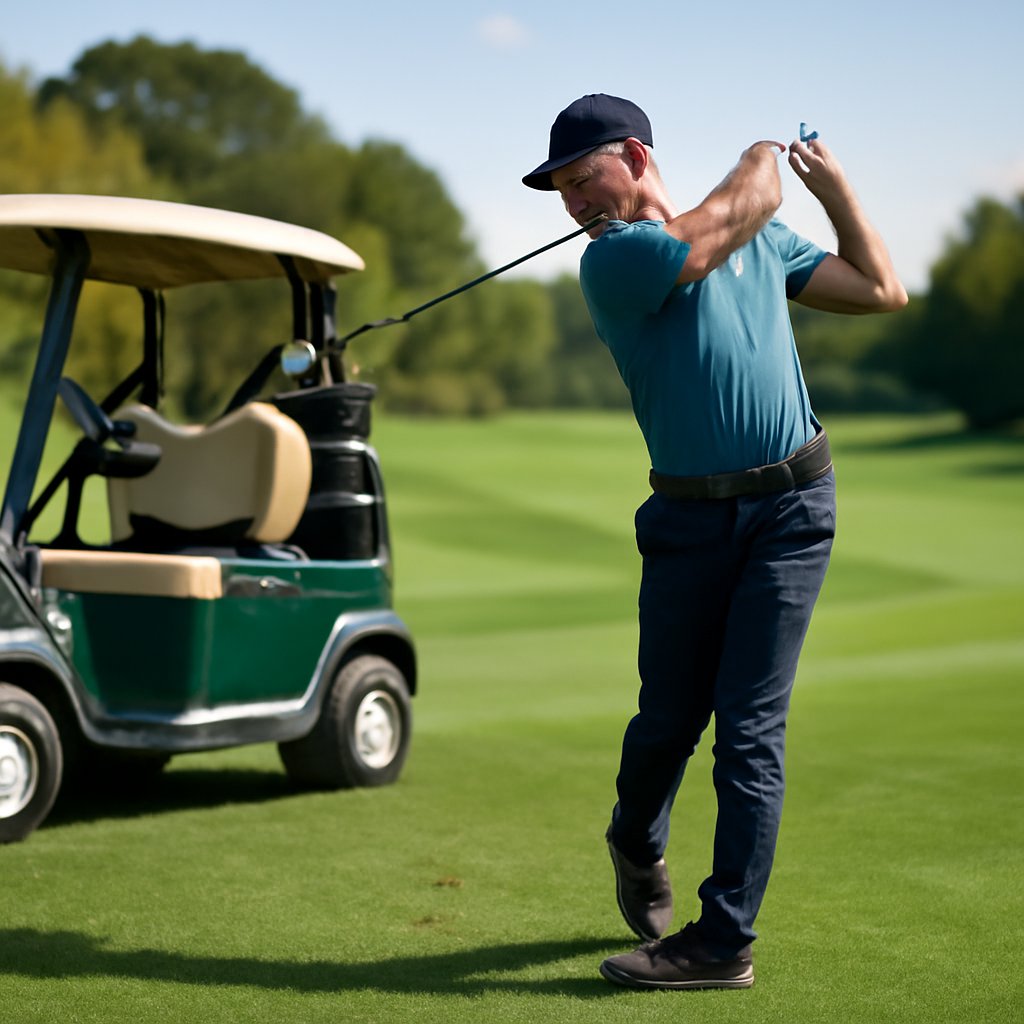
Golf carts have a way of turning an ordinary round into something smoother and more enjoyable, especially when you’re exploring new courses far from home. The gentle hum of an electric model on a misty morning or the low rumble of a gas engine carrying you across rolling fairways adds its own rhythm to the day. As someone who follows the LPGA closely, I’ve noticed how even the pros rely on these little workhorses to keep the focus on every shot.
Most carts come in gas or electric versions. Gas models use small engines and give you that longer range when the course stretches out for miles. Electric ones run on batteries and feel quieter, letting you glide past the greens without disturbing the quiet. When I played that course last spring in the Carolinas, the electric cart’s smooth ride let me soak in the scent of pine needles and fresh grass between holes. Some players go for lifted carts on uneven ground, while others prefer the standard setup for everyday rounds. Custom builds bring personality with brighter colors or upgraded seats, though they come at a higher price. These days roughly half the carts you see at public courses are electric.
Utility versions handle extra bags or light maintenance around the club, and street-legal ones come with lights and signals if you need to hop off property for a short trip. A contrarian view holds that gas carts still win in remote areas where charging stations are scarce, and real-world needs often decide what works best. Personal carts let you choose your own colors and seating, while fleet models stay simple for easy upkeep. Weighing your budget against how often you play makes all the difference.
Battery life on electric carts usually covers 30 to 40 miles per charge, and gas tanks easily last a full day. Top speeds hover around 15 to 20 miles per hour on flat ground. Seating can fit anywhere from two to six people, with bins for clubs, coolers, and balls. Suspension smooths out bumpy paths, and lights plus horns add safety when twilight sets in. Extras like GPS screens or Bluetooth speakers can make the ride more fun, but check weight limits and tire tread—especially all-terrain ones for better grip. Easy-to-reach controls and a simple dashboard keep things distraction-free, and a quick test drive always reveals the true ride quality. Little touches such as cup holders and phone mounts end up mattering more than you expect once you’re out there.
Understanding the differences between electric and gas carts goes beyond just the power source. Electric carts require minimal maintenance compared to their gas counterparts, with no oil changes, spark plugs, or air filters to worry about. The absence of an engine also means fewer moving parts that can break down, which translates to lower repair costs over the lifetime of the cart. Gas carts, however, offer superior hill-climbing ability and tend to maintain consistent performance even as fuel depletes from the tank. Electric carts can experience a gradual performance dip as battery charge decreases, which matters on courses with significant elevation changes. Temperature also plays a role—cold weather reduces electric battery efficiency by 20 to 30 percent, while gas engines start reliably regardless of season. For courses in northern climates with longer winters, gas carts often prove more practical, whereas southern courses benefit from year-round electric operation.
The rise of lithium-ion battery technology has started to shift the conversation around electric carts. Unlike traditional lead-acid batteries, lithium units charge faster, last longer, and weigh considerably less. A lithium-equipped cart can achieve similar or better range than gas in many scenarios, with charging times reduced from eight hours to just two or three. The upfront cost remains higher—sometimes 2,000 to 3,000 dollars more—but the long-term savings in maintenance and electricity costs often justify the investment for frequent players. Several manufacturers now offer lithium upgrades as standard or optional features on their newer models.
Terrain and course layout should heavily influence your cart choice. Hilly courses benefit from carts with responsive steering and good suspension geometry, which reduces fatigue during longer rounds. Wet courses demand carts with superior traction and waterproofing, especially around the electrical components on electric models. Links-style courses with firm ground play better with standard suspension, while parkland courses with thick rough and soft turf require more rugged all-terrain setups. Some clubs now offer both options, allowing you to rent the model that best suits the day’s conditions.
Regular care keeps everything running smoothly. Charge batteries fully after each round, top off the gas, and wipe down the body to fend off rust. Inspect brakes and tires often, store the cart under cover in bad weather, and you can add years to its life. Seat belts matter on longer rides, steady speeds help near walkers, and yielding to players on the course is simple courtesy. Never overload beyond the limit, and keep kids supervised. A small toolkit on hand catches little issues before they grow.
Seasonal storage deserves special attention if you play in variable climates. Before storing an electric cart for winter, charge the batteries fully and disconnect them if storage will last more than a month. For gas carts, run a fuel stabilizer through the tank and let the engine run for several minutes to distribute it throughout the system. Cover the entire cart with a breathable tarp—not plastic—to prevent moisture accumulation while allowing air circulation. Check tire pressure monthly during storage, as sitting vehicles lose pressure gradually. Proper preparation prevents battery sulfation, fuel varnish buildup, and flat spots on tires when you’re ready to drive again in spring.
New carts typically run between 5,000 and 15,000 dollars, while used ones cost less if you check the battery or engine first. Rentals at most courses fall around 20 to 50 dollars per round, handy for occasional play. Financing spreads payments, and insurance covers damage or theft. Brands like Club Car, EZ-GO, and Yamaha each have their fans for reliability. Factor in storage space and trailers if you move the cart between locations. The best choice always matches how you actually play rather than what catches your eye on the lot.
When purchasing a used cart, have a professional inspect the battery or engine before committing. For electric models, ask about battery charge cycles and request a load test to verify capacity. For gas carts, check compression and listen for unusual knocking or pinging that signals internal wear. Request maintenance records if available, and test both forward and reverse gears plus the brake response. A cart with 500 hours on the engine is typically considered lightly used, while anything over 1,500 hours suggests significant wear. Cosmetic condition matters less than mechanical soundness, though a well-maintained cart tells you something about how the previous owner treated it.
Batteries generally last 4 to 6 years with steady charging. Gas carts can convert to electric with kits, though professional installation keeps things safe. Average speeds reach 12 to 18 miles per hour on level ground. Some manufacturers offer warranty extensions that can protect your investment for up to ten years on select components, worth exploring during the purchasing process.
Customization has become increasingly popular among serious golfers. Beyond basic paint jobs and seat upgrades, you can add custom windshields for weather protection, cargo racks for extra storage, lifted suspensions for better ground clearance, and premium sound systems. LED lighting packages improve visibility for early morning or twilight rounds. High-performance tires designed specifically for golf carts provide better grip and durability than standard rubber. However, resist the temptation to over-customize. Heavy modifications can affect warranty coverage, alter the center of gravity on lifted carts, and make the vehicle harder to resell. Stick with quality upgrades that enhance your actual play rather than just appearance.
The environmental impact of your cart choice is worth considering if sustainability matters to you. Electric carts produce zero emissions during operation, though the electricity charging them may come from fossil fuels depending on your grid’s energy mix. Over a five-year period, an electric cart typically generates 70 percent fewer emissions than a comparable gas model. Gas carts produce carbon dioxide and volatile organic compounds that contribute to local air quality problems. Many courses now incentivize electric cart rentals with discounted rates, recognizing both the environmental and operational benefits. If you play regularly at the same facility, investing in an electric cart aligns personal preference with environmental responsibility.