
Sunday Golf Bag Guide: Why Golfers Are Going Minimal
Walk up to any muni on a Tuesday evening and you’ll spot them: golfers carrying slim, lightweight bags with maybe seven clubs poking out the top, moving fast and playing looser than the crowd hauling full cart bags. That’s the sunday golf bag lifestyle, and it’s catching on for good reason. Whether you’re squeezing in nine holes after work or want a low-hassle setup for practice rounds, a sunday golf bag might be the smartest piece of gear you buy this season.
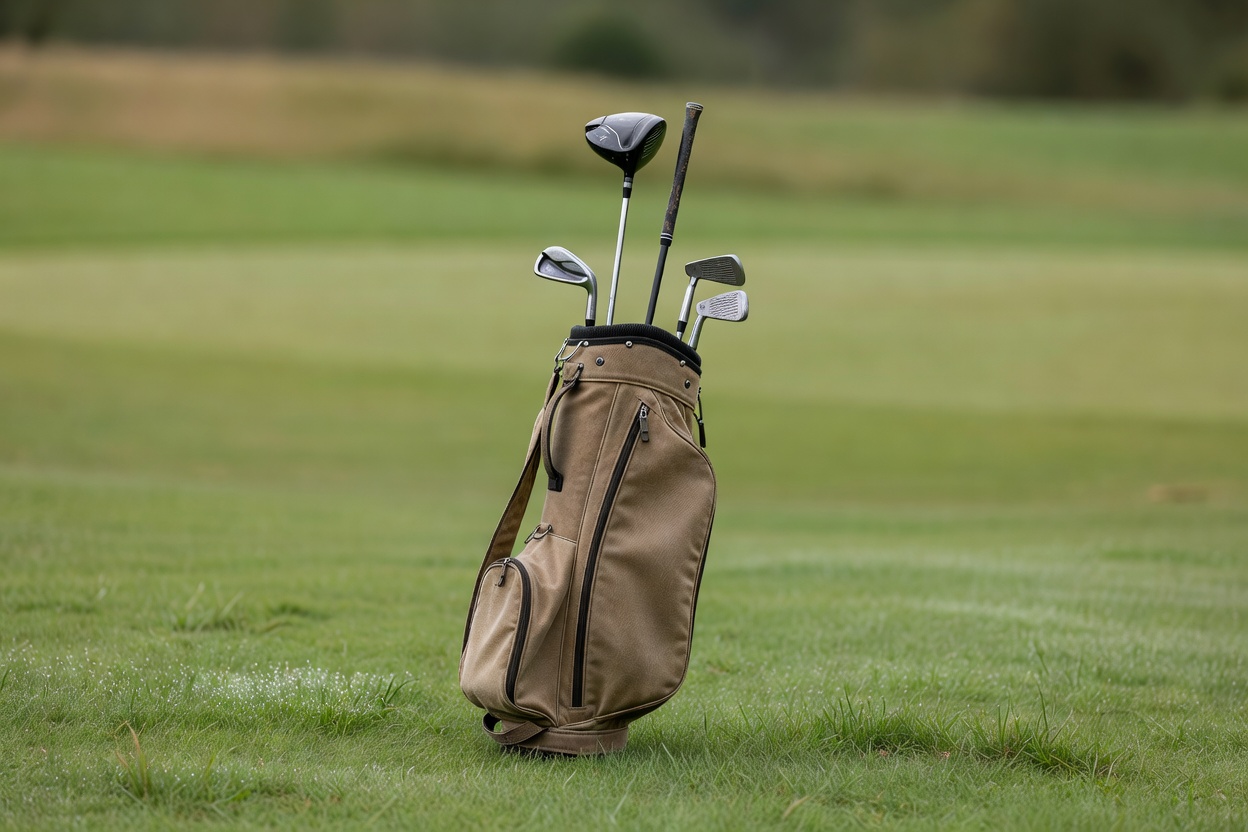
This style of bag strips golf back to basics. No cart straps, no massive dividers for fourteen clubs, no cooler pocket the size of a mini-fridge. Just enough room for the essentials and a strap that sits comfortably on your shoulder for a quick loop.
What Exactly Is a Sunday Golf Bag?

A sunday bag is a small, minimalist carry bag traditionally designed to hold anywhere from 4 to 8 clubs. The name reportedly comes from a more relaxed, old-school era when golfers played a casual Sunday round with fewer clubs than a full 14-club set. Today the term covers a whole category of pencil bags and mini carry bags used for practice sessions, executive courses, par-3 layouts, and quick rounds where you don’t need your full arsenal.
Compare that to a standard carry bag, which usually accommodates a full set with multiple pockets, stand legs, and enough padding to survive being tossed in a trunk for a season. Sunday bags skip most of that. They’re built for speed and simplicity, not storage capacity.
Key Features to Look For
- Weight under 3 pounds when empty
- Single strap or lightweight dual-strap system
- 2-4 club dividers (some go top-loading with no dividers at all)
- At least one pocket for balls, tees, and a rangefinder
- Durable base that can stand upright without a kickstand
Why a Sunday Golf Bag Fits the Modern Golfer’s Life
Golf participation has grown steadily in recent years, and a lot of that growth is coming from casual, shorter-format play. The National Golf Foundation has tracked a real shift toward off-course golf and quicker on-course experiences as time-strapped players look for ways to stay in the game without committing four-plus hours every round (NGF Golf Industry Research). A sunday golf bag plays directly into that trend.
If you’ve got 90 minutes after work, you don’t need a driver, three wedges, and a hybrid you never hit. Grab a 7-iron, pitching wedge, putter, and maybe a hybrid, toss them in a sunday bag, and you’re out the door in the time it takes to lace up your shoes.
Great Situations for a Sunday Bag
- Executive courses and par-3 layouts
- Practice rounds where you’re working on specific clubs
- Walking nine holes solo before dark
- Warm-up sessions at the range that turn into a quick loop
- Traveling light on vacation golf trips
Sunday Golf Bag vs Stand Bag vs Cart Bag
It helps to see where the sunday bag fits in the bigger picture. A cart bag is built for riding, with big pockets, a non-collapsible base, and enough structure to survive being strapped to a cart all day. A stand bag is the middle ground, designed for walking a full round with legs that pop out when you set it down. The sunday bag undercuts both in weight and size, sacrificing storage for pure portability.
Golf Digest’s equipment team has noted that lightweight carry options have become one of the fastest-growing categories in bag sales, driven largely by golfers wanting less bulk without giving up the classic walking experience (Golf Digest Equipment). Sunday bags represent the extreme end of that lightweight movement.
Quick Comparison
- Sunday bag: 4-8 clubs, under 3 lbs, minimal storage, best for short rounds
- Stand bag: Full 14 clubs, 4-6 lbs, moderate storage, best for walking a full round
- Cart bag: Full 14 clubs, 6-10 lbs, maximum storage, best for riding
How to Choose the Right Sunday Golf Bag
Not all sunday bags are built the same, and picking the right one depends on how you actually plan to use it. If you’re mostly hitting the range and occasionally playing a few holes, a basic pencil bag with a single strap will do fine. If you’re walking real courses regularly, look for one with a padded strap and a slightly wider base for stability on uneven ground.
Things Worth Checking Before You Buy
- Strap comfort — try it on with a few clubs loaded, not empty
- Pocket layout — you want easy access without digging around
- Material — nylon and polyester are common, but check stitching quality on seams
- Base stability — some ultra-light bags tip over easily on slopes
- Brand reputation — established golf brands tend to hold up better long-term
Prices for sunday bags typically run from around $40 for basic models up to $150 or more for premium leather or performance-fabric versions from major golf brands. Rules of Golf don’t restrict how many clubs you carry below the 14-club maximum, so playing with a partial set is completely legal for casual and even some competitive formats (USGA Rules of Golf). Just remember tournament play under strict conditions may have its own local rules, so check before entering a club event.
Making the Switch
You don’t need to retire your full stand bag to enjoy a sunday bag. Most golfers who pick one up end up using it for a specific slice of their golf life — the quick nine, the range session, the practice round — while keeping their full setup for serious weekend rounds. It’s less about replacing your gear and more about having the right tool for the right kind of golf day.
If you’ve never tried carrying a stripped-down set, pick a slow evening at your local course, load up six clubs, and see how it feels. There’s a certain freedom in walking light, moving fast, and not overthinking club selection when you’ve only got a handful of options anyway. For a lot of golfers, that simplicity is exactly what makes the game fun again.