
How to Choose the Right Golf Driver for Your Game
If there’s one club in the bag that gets talked about more than any other, it’s the golf driver. It’s the club you pull out on almost every par 4 and par 5, the one that sets up your entire hole, and honestly, the one that gives you the most satisfaction when you catch it flush. But walk into any pro shop and you’ll find dozens of options with different lofts, shaft flexes, and price tags that can make your head spin. This guide breaks down what actually matters when picking a driver, so you can stop guessing and start hitting fairways.
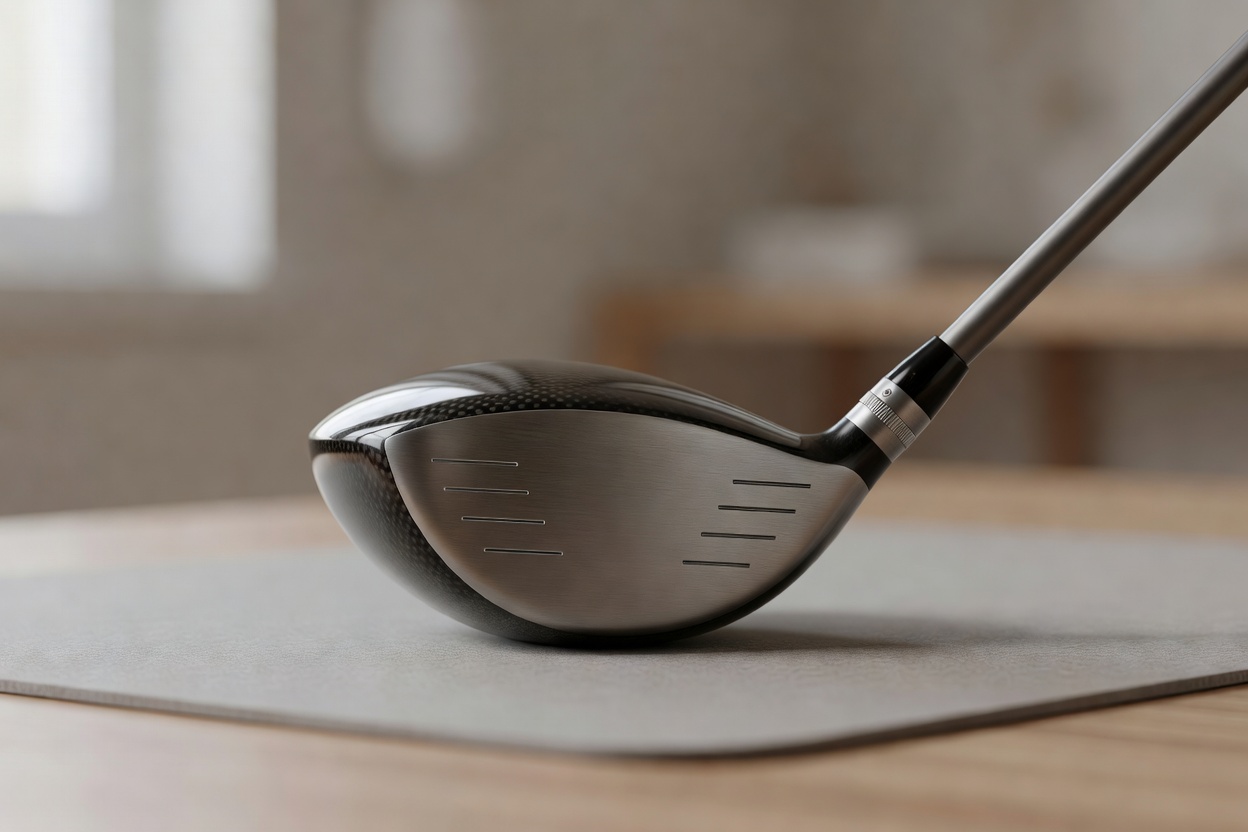
Why Your Golf Driver Choice Matters More Than You Think
A lot of golfers assume driver performance comes down to swing skill alone, but the equipment does real work here. Modern drivers are engineered with adjustable weighting, variable face thickness, and aerodynamic shaping that can add meaningful yards and forgiveness compared to older designs. According to testing from Golf Digest’s Hot List, the gap between top-performing drivers and average ones can mean several yards of carry distance and a noticeably tighter dispersion pattern on off-center hits.
That said, the “best” driver on a testing chart isn’t automatically the best driver for you. Swing speed, attack angle, and even your typical miss (slice vs. hook) all factor into what club will actually help your scores.
Swing Speed Is the Starting Point
Before you even think about brand names, get a rough idea of your driver swing speed. Golfers swinging under 90 mph typically benefit from more flexible shafts that help generate clubhead speed, while faster swingers usually need stiffer shafts to control spin and dispersion. Many golf retailers and club fitters offer free swing speed measurements, and it’s worth doing before you drop $500 on a new stick.
- Under 85 mph: Look at senior or regular flex shafts, higher loft (10.5–12 degrees)
- 85–100 mph: Regular to stiff flex, loft around 9.5–10.5 degrees
- 100+ mph: Stiff or extra stiff flex, loft often 9 degrees or lower
Key Golf Driver Features Worth Understanding
Once you know your general swing profile, it helps to understand the actual technology inside a modern golf driver. Manufacturers throw around a lot of marketing language, but a few features genuinely move the needle.
Adjustable Hosels and Weights
Most premium drivers today let you tweak loft angle and face angle by a couple of degrees, plus shift internal weights toward the heel or toe. This matters because it lets you fight a natural slice or hook without changing your swing. If you consistently miss right, a draw-biased setting can bring the ball back toward center.
Face Technology and Forgiveness
Titanium and carbon composite faces flex at impact to preserve ball speed, even on strikes that aren’t perfectly centered. This is where “forgiveness” comes from — a forgiving driver keeps distance loss and side spin to a minimum when you don’t hit the sweet spot dead center, which, let’s be honest, is most of us most of the time.
Head Size and MOI
Every conforming driver head maxes out at 460cc under USGA equipment rules, but how that volume is distributed changes the club’s moment of inertia (MOI). Higher MOI drivers resist twisting on off-center hits, which is exactly why game-improvement drivers tend to feel more stable than smaller-headed players’ models.
Matching a Golf Driver to Your Skill Level
There’s no universal best driver — the right pick depends heavily on where you are in your golf journey.
Beginners and High Handicappers
If you’re still finding consistency, prioritize forgiveness and higher loft over adjustability and low spin. Game-improvement drivers with larger sweet spots and draw-bias settings will save you strokes far more than shaving a few grams off the head.
Mid-Handicappers
Golfers in the 10–20 handicap range usually benefit most from moderately adjustable drivers that balance forgiveness with some shot-shaping control. This is where a proper fitting really starts paying off, since small loft and lie adjustments can noticeably tighten dispersion.
Low Handicappers and Better Players
Skilled golfers often move toward smaller, lower-spin heads that offer more workability and feel, even if they sacrifice a bit of forgiveness. If you’re consistently striking the ball well, you likely want a driver that lets you shape shots intentionally rather than one that corrects mistakes for you.
The Fitting Process Actually Makes a Difference
It’s tempting to buy whatever driver your favorite tour pro uses, but launch monitor data consistently shows that fitted drivers outperform off-the-rack purchases for average golfers. A proper fitting session measures launch angle, spin rate, and ball speed, then matches shaft flex and head design to your specific swing characteristics. Research published by Golf.com’s equipment team has repeatedly found that fitted setups can add 10-15 yards of carry distance for mid-handicap golfers simply by optimizing launch conditions.
Many golf shops now offer fittings for $50-100, and some retailers will credit that toward a purchase. Given that a new driver often costs $400-600, spending a bit extra to get the fitting right is a smart investment rather than an unnecessary expense.
Final Thoughts on Picking Your Next Golf Driver
The golf driver market moves fast, with major brands releasing new models nearly every year. But the fundamentals of a good fit rarely change: know your swing speed, understand your typical miss, and prioritize the technology that actually addresses your weaknesses rather than chasing whatever’s trending on social media. A driver that fits your swing well will always outperform a flashier club that doesn’t — and your scorecard will thank you for it.