
Golf Club Sets: A Practical Buying Guide for Every Level
Walk into any pro shop and you’ll see a wall of golf club sets promising longer drives, softer landings, and lower scores. Some of that is marketing fluff, but a lot of it is real progress in club design. Whether you’re picking up your first set or replacing clubs that have been rattling around your garage since the early 2000s, knowing what actually matters can save you hundreds of dollars and a lot of frustration on the course.
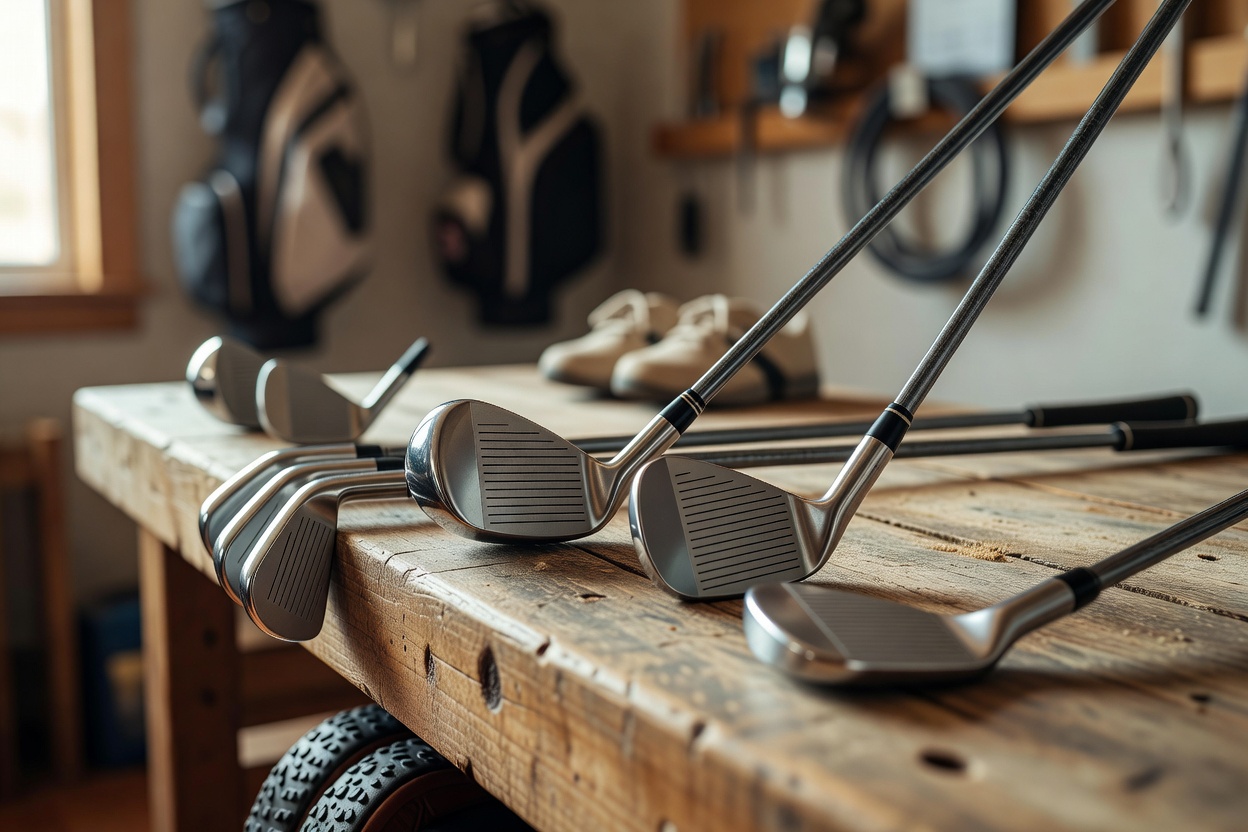
This guide breaks down what to look for, what to skip, and how to match a set to your actual game rather than the game you wish you had.
Why Golf Club Sets Make Sense for Most Golfers
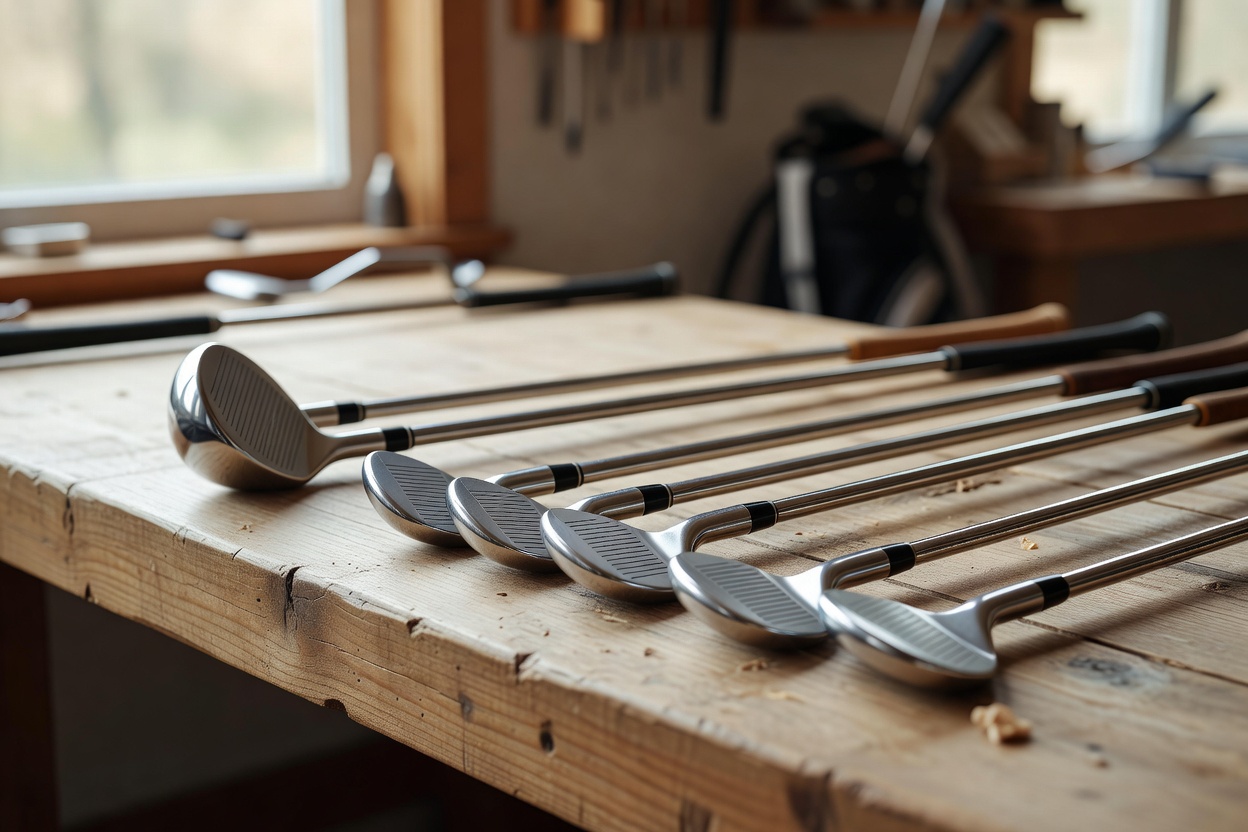
Buying a full set instead of building your bag club by club has real advantages, especially if you’re newer to the game or working with a set budget. Manufacturers design sets so the clubs work together — shaft flex, swing weight, and lofts are matched across the irons, and the set often includes a bag, headcovers, and sometimes a putter. That consistency matters more than people realize; mismatched gear can quietly wreck your ball-flight and distance control.
According to the National Golf Foundation, a majority of golfers who take up the sport buy a starter set within their first year, and sticking with one brand’s set through the learning curve tends to produce more consistent results than mixing and matching individual clubs too early.
Who Should Consider a Full Set
- Beginners who don’t yet know their swing tendencies
- Golfers on a budget who want everything in one purchase
- Juniors or seniors who need lighter, more forgiving gear
- Players returning to golf after years away
What’s Actually Inside a Typical Golf Club Set
Most complete golf club sets for adults include a driver, a fairway wood or two, a hybrid, a set of irons (usually 5-iron through 9-iron plus a pitching wedge), a sand wedge, a putter, and a stand or cart bag. Some budget sets trim this down; premium combo sets add extra hybrids in place of long irons, which is a smart move for most recreational players since hybrids are simply easier to hit than 3- and 4-irons.
Irons and Hybrids
Cavity-back irons with a wider sole are more forgiving on off-center strikes than the thin-bladed irons tour pros use. If you’re not consistently compressing the ball, forgiveness beats feel every time. Look for sets that swap the traditional long irons for hybrids — this single change has done more for recreational scoring than almost any other equipment trend of the past decade.
Drivers and Fairway Woods
Set drivers usually run 10.5 to 12 degrees of loft, which helps get the ball airborne with less precise contact. That’s the right call for most amateurs. A lower-lofted driver looks great on a tour player’s bag but will punish mishits for everyone else.
Putters and Wedges
Putters included in sets are functional but rarely fitted to your stroke length or preferred style (mallet vs. blade). Many golfers upgrade the putter first, even while keeping the rest of the set. Wedges in a set typically cover one loft gap; serious short-game improvement often comes later with a dedicated gap or lob wedge.
Choosing the Right Golf Club Sets for Your Skill Level
Set manufacturers generally target three tiers: beginner/game-improvement, mid-handicap, and better-player sets. The names vary by brand, but the design philosophy is consistent — more forgiveness and higher launch for beginners, more shot-shaping control for lower handicaps.
Beginner and Game-Improvement Sets
These prioritize a large sweet spot, perimeter weighting, and lighter overall weight. Brands like Callaway’s Strata and Cobra’s F-Max lines are frequently recommended by instructors for new golfers because they’re simply easier to get airborne and straight. Golf Digest’s equipment reviews consistently rank forgiveness as the top factor for players shooting above 100.
Mid-Handicap Sets
Once you’re breaking 100 consistently, you’ll want a bit more workability without sacrificing forgiveness entirely. This is where a lot of golfers land for years, and it’s a smart place to spend a bit more since you’ll likely keep these clubs the longest.
Better-Player and Tour-Level Sets
Blade-style irons and lower-loft, low-spin drivers show up here. These reward precise contact but punish mistakes harshly. Unless you’re a single-digit handicap or working closely with a coach, this tier usually isn’t the smart buy.
Getting Fitted Even When Buying a Set
A common myth is that club fitting only matters for custom-built clubs. In reality, most golf club sets come in multiple shaft flexes and lie angles, and choosing correctly makes a real difference. The PGA of America recommends a basic fitting session — even a free in-store one — before buying any set, since shaft flex mismatched to your swing speed is one of the most common (and correctable) causes of slices and weak shots.
- Slower swing speeds generally benefit from regular or senior flex shafts
- Taller or shorter-than-average golfers may need adjusted lie angles
- Grip size affects shot shape more than most golfers realize
Budget Considerations
Complete sets range from around $300 for entry-level packages to well over $2,000 for premium combo sets with the latest driver and iron technology. Buying a full set almost always costs less than assembling the same clubs individually, since manufacturers price sets as a bundle. Used and previous-generation sets, sold through retailers like PGA Tour Superstore or certified pre-owned programs, offer strong value since iron and wedge technology doesn’t change as dramatically year to year as driver technology does.
Where to Save and Where to Spend
If your budget is tight, save on the driver and fairway woods first — last year’s model performs nearly identically to the current one. Spend a bit more on irons and the putter, since you’ll use them on nearly every hole and feel matters more there than raw technology.
Final Thoughts on Picking Your Set
The best golf club sets aren’t necessarily the most expensive ones on the wall — they’re the ones matched honestly to your current skill level, swing speed, and budget. Get a basic fitting, lean toward forgiveness over flash if you’re still improving, and don’t be afraid to buy pre-owned for your first or second set. Your scorecard will thank you more than your ego will.