
Golf Push Cart Buying Guide: What to Know Before You Buy
Walk any public course on a Saturday morning and you’ll notice the trend immediately: fewer golfers slinging bags over their shoulders and more rolling gear along on three or four wheels. A good golf push cart takes the physical toll out of walking eighteen holes while keeping you closer to the game than riding in a cart ever could. If you’re on the fence about making the switch, here’s everything you need to know before you buy.
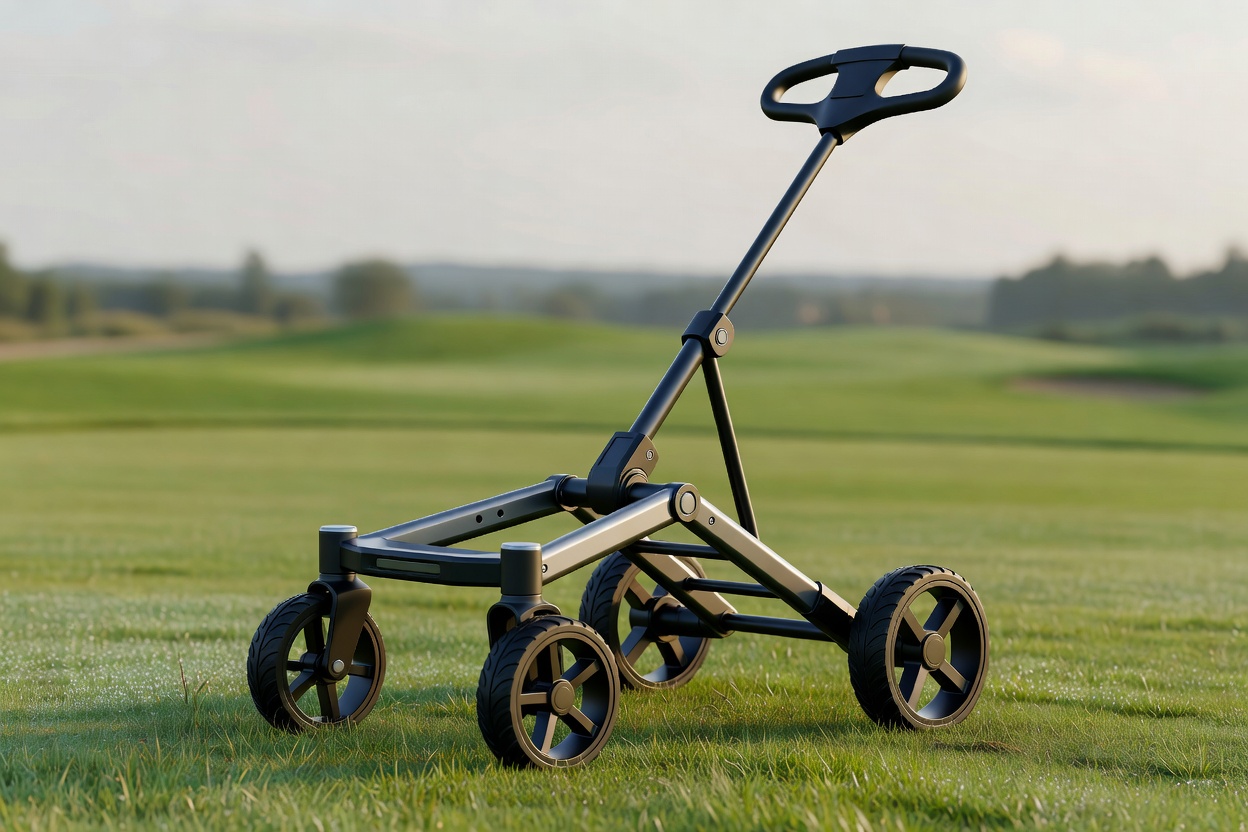
What Exactly Is a Golf Push Cart?
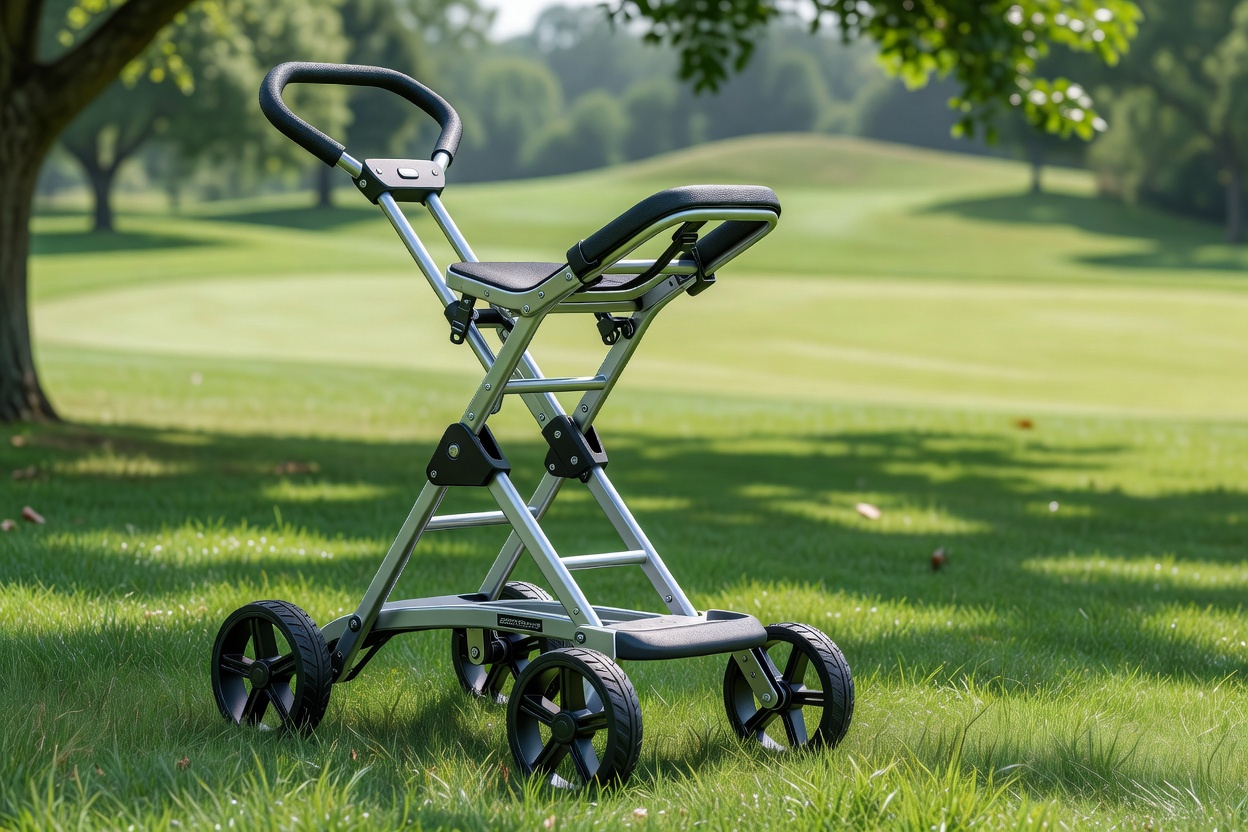
A golf push cart (sometimes called a pull cart, though nearly all modern models are pushed from behind rather than pulled) is a wheeled frame designed to carry your golf bag around the course without you having to lift a finger except to steer. Unlike motorized golf carts, push carts run entirely on your own effort, which is exactly why so many walkers swear by them. You get the exercise benefits of walking without the shoulder and back strain of carrying 25-plus pounds of clubs for four hours.
The category has grown fast. According to the National Golf Foundation, walking rounds have seen a resurgence since 2020, and push cart sales have climbed right along with them as more players rediscover the health and pace-of-play benefits of walking the course (National Golf Foundation).
Why Golfers Are Switching From Carry Bags to a Golf Push Cart
The appeal isn’t complicated. Here’s what pushes people to make the change:
- Less fatigue, better swings. Carrying a bag for 18 holes tires your shoulders and core, which can sneakily wreck your swing mechanics on the back nine.
- Injury prevention. Physical therapists frequently point to repetitive one-sided carrying as a contributor to lower back and shoulder issues in recreational golfers.
- More storage room. Push carts typically include mesh pockets, scorecard holders, umbrella mounts, and cooler attachments that a carry bag simply can’t match.
- Better pace than riding. Studies on pace of play, including research cited by the USGA, show walking golfers using push carts often keep pace comparable to riding groups, especially on courses without excessive green-to-tee distances.
- Cost savings. Skipping the cart fee round after round adds up fast, and a mid-range push cart pays for itself within a season or two.
Types of Golf Push Carts
Three-Wheel Push Carts
Three-wheel models are typically lighter and more maneuverable, making them a favorite for golfers who value nimble handling around tight cart paths and narrow fairways. They tend to fold into a compact size, which is handy if trunk space is tight.
Four-Wheel Push Carts
Four-wheel carts offer superior stability, especially on hilly terrain or uneven ground. Many premium four-wheel models include foot brakes for downhill holes and wider wheelbases that resist tipping on side slopes. If you play a hilly course regularly, this is usually the better call.
Electric Push Carts
Electric (or remote-controlled) push carts use a small motor to move the bag for you, which is essentially a middle ground between walking with a manual cart and riding. They’re heavier and pricier but ideal for golfers managing joint pain who still want to walk the course rather than ride.
Key Features to Compare Before You Buy
Not all push carts are created equal. Before you swipe your card, pay attention to these details:
- Frame material. Aluminum frames are lighter and rust-resistant; steel frames are cheaper but heavier and bulkier to fold.
- Fold size and mechanism. Some carts collapse into a small, flat package in seconds; others require more fiddling. If you’re tight on trunk space, test the fold before buying.
- Wheel quality. Look for airless, puncture-proof tires with sealed bearings — they roll smoother and never go flat mid-round.
- Braking system. A reliable foot brake or parking brake matters more than most golfers expect, particularly on sloped courses.
- Storage accessories. Cup holders, umbrella holders, scorecard/GPS mounts, and cooler bags vary widely between brands and price points.
- Weight capacity. Double-strap staff bags are heavier than carry bags, so check the cart’s max weight rating if you use a bigger bag.
Popular Golf Push Cart Brands Worth Considering
A handful of brands dominate the market for good reason:
- Clicgear — known for rock-solid three-wheel builds and excellent fold mechanisms, a longtime favorite among serious walkers.
- Bag Boy — offers a wide range from budget-friendly three-wheelers to premium four-wheel models with big accessory ecosystems.
- Sun Mountain — blends performance golf gear expertise into push carts with excellent stability and storage.
- Motocaddy — a leader in the electric push cart space, popular for smooth remote-control operation.
Golf Digest’s equipment testers have consistently ranked these brands among the top performers in hands-on trials, citing durability and ease of use as the biggest differentiators (Golf Digest).
How Much Should You Spend on a Golf Push Cart?
Entry-level three-wheel carts start around $100-150 and get the job done for casual golfers. Mid-range models with better wheels, storage, and folding mechanisms run $200-350. Premium electric push carts can climb past $800-1,000, but they’re a legitimate option for golfers dealing with mobility limitations who still want to be on their feet during the round.
Final Tips Before You Hit the Course
Test the fold-and-unfold process in a store or driveway before your first round — nothing kills momentum on the first tee like wrestling with a stuck frame. Also check your local course’s cart path rules; some private clubs restrict push carts to paths only during wet conditions. Once you’ve made the switch, most golfers report they never go back to carrying a bag again.