
Golf Gloves: Complete Guide to Fit, Types & Care
If you’ve ever watched your driver twist in your hands mid-swing or felt a club slip during a humid back-nine round, you already understand why golf gloves matter more than most players give them credit for. A quality glove isn’t just an accessory — it’s the connection point between your hands and the club, and that connection affects everything from swing consistency to shot control. Whether you’re picking up your first pair or trying to figure out why your current glove wears out in three rounds, this guide covers what actually matters.
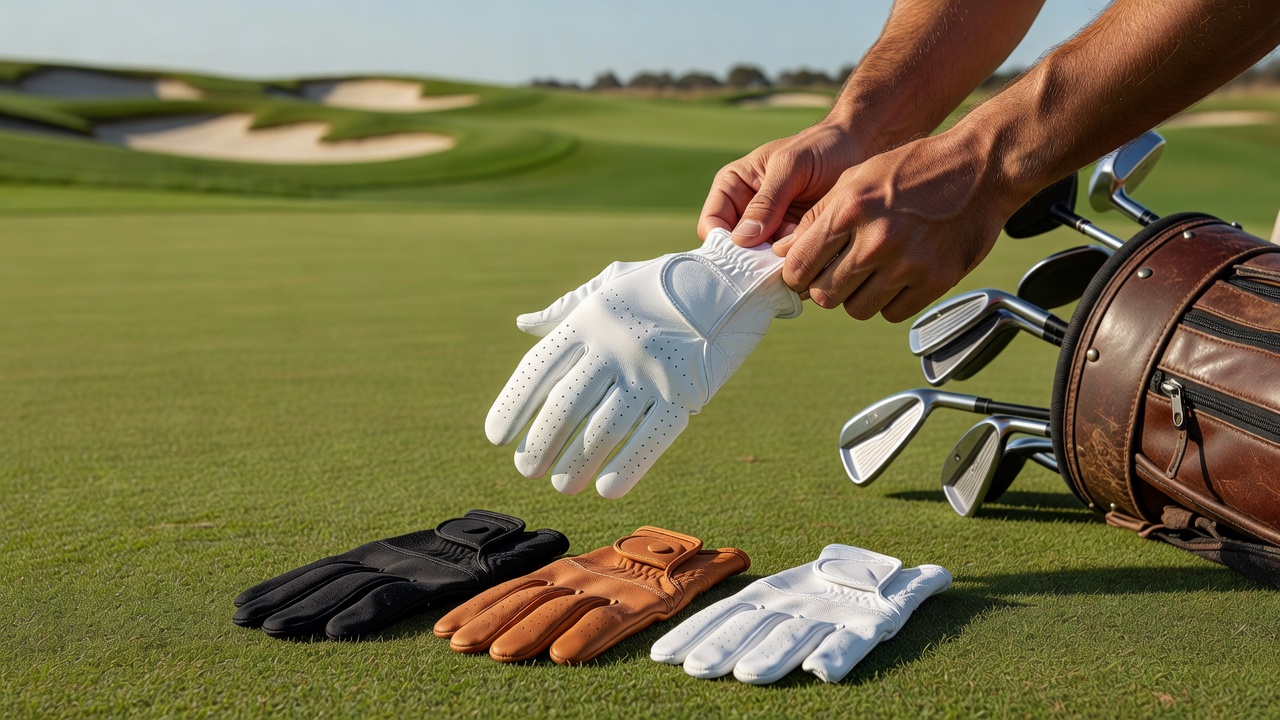
Why Golf Gloves Make a Real Difference

A lot of recreational golfers treat gloves as an afterthought, tossing a bargain-bin option in the bag and forgetting about it until it rips. That’s a mistake. The right glove improves your grip pressure consistency, which directly impacts clubface control at impact. Grip too tight because your hands are sweating or slipping, and you’ll fight a hook or a weak slice all day.
According to golf instruction resources like Golf Digest, inconsistent grip pressure is one of the most common swing faults among mid-to-high handicap players. A properly fitted glove reduces the need to squeeze the club harder than necessary, letting your wrists hinge naturally through the swing.
Grip Consistency in Different Weather
Heat and humidity cause hands to sweat, and cold weather stiffens skin and reduces feel. Golf gloves are engineered to manage both. Leather gloves tend to mold to your hand over time and offer superior feel, while synthetic and hybrid gloves handle moisture better and last longer in wet conditions. If you play in a humid climate or sweat heavily, this single factor might matter more than price or brand name.
Types of Golf Gloves and What They’re Best For
Not every glove is built the same, and picking the wrong type for your climate or playing style is the most common reason gloves underperform.
- Cabretta leather gloves: The premium option, known for soft feel and excellent tactile feedback. Popular with low-handicap and tour players who prioritize feel over durability.
- Synthetic gloves: More durable and weather-resistant, often cheaper, and a smart choice for beginners or players who go through gloves quickly.
- Hybrid gloves: Combine leather palms with synthetic backing for a balance of feel and longevity.
- Rain gloves: Designed to grip better when wet, the opposite of standard gloves which lose tackiness in rain. Many players carry one in their bag specifically for wet-weather rounds.
- Winter gloves: Thicker, insulated, and typically worn in pairs to keep hands warm without sacrificing too much feel.
Men’s vs Women’s Golf Gloves
Beyond sizing, women’s gloves are generally cut with a narrower palm and shorter fingers to match hand proportions, not just scaled-down versions of men’s models. Trying to force a unisex fit when a properly gendered fit is available often leads to bunching material and reduced feel, according to fitting guidance from PGA.com.
How to Choose the Right Golf Glove Size and Fit
A glove that’s too loose bunches up in your palm and creates hot spots. Too tight, and it restricts finger movement and tears at the seams within weeks. Most manufacturers size gloves small, medium, medium/large, large, and extra-large, but fit varies noticeably between brands.
- Try the glove on and make a fist — there should be no excess material bunching in the palm.
- Fingertips should reach the end of each finger without extra space, but shouldn’t feel jammed.
- The wrist closure should feel snug without cutting off circulation.
- If you’re between sizes, most instructors recommend sizing down slightly since leather stretches with wear.
Which Hand Wears the Glove?
Right-handed golfers wear the glove on their left hand, and left-handed golfers wear it on their right hand — the glove goes on the lead hand, which does most of the gripping work through impact. Some players who feel discomfort in both hands opt for a two-glove setup, though it’s far less common.
Caring for Your Golf Gloves So They Actually Last
Cheap or expensive, every glove degrades faster if it’s mistreated. A few habits extend the life of any glove significantly:
- Remove your glove between shots when possible, especially on the practice range where reps add up fast.
- Never leave a glove in a hot car — leather dries out and cracks, and synthetic materials can warp.
- Let a sweaty glove air dry fully before storing it in your bag.
- Rotate two gloves across rounds rather than wearing one until it fails; this lets the leather rest and recover its shape.
Research from equipment testing groups, including reviews published by Golf Monthly, consistently shows that glove rotation and proper drying can nearly double usable lifespan compared to single-glove daily use.
Best Golf Gloves by Player Type
For Beginners
Look for synthetic or hybrid gloves in the $10–$20 range. Durability matters more than premium feel while you’re still building consistent contact and swing mechanics.
For Low Handicappers and Serious Players
Premium cabretta leather gloves from established equipment brands offer the tactile feedback needed to feel subtle differences in grip pressure and clubface awareness — details that matter more as your swing gets more refined.
For Frequent or Hot-Climate Golfers
Rotate two or three gloves per week and consider a dedicated rain glove for unpredictable forecasts. Moisture management will save you more strokes than a marginal upgrade in leather quality.
Final Thoughts on Picking Your Next Golf Glove
Golf gloves are a small investment that pays off in swing consistency, comfort, and confidence over your grip. Match the glove type to your climate, get the fit right, and take care of it between rounds. Small details like this rarely show up on a scorecard directly, but they quietly support every swing you make.