
Dustin Johnson Powerful Driving Techniques
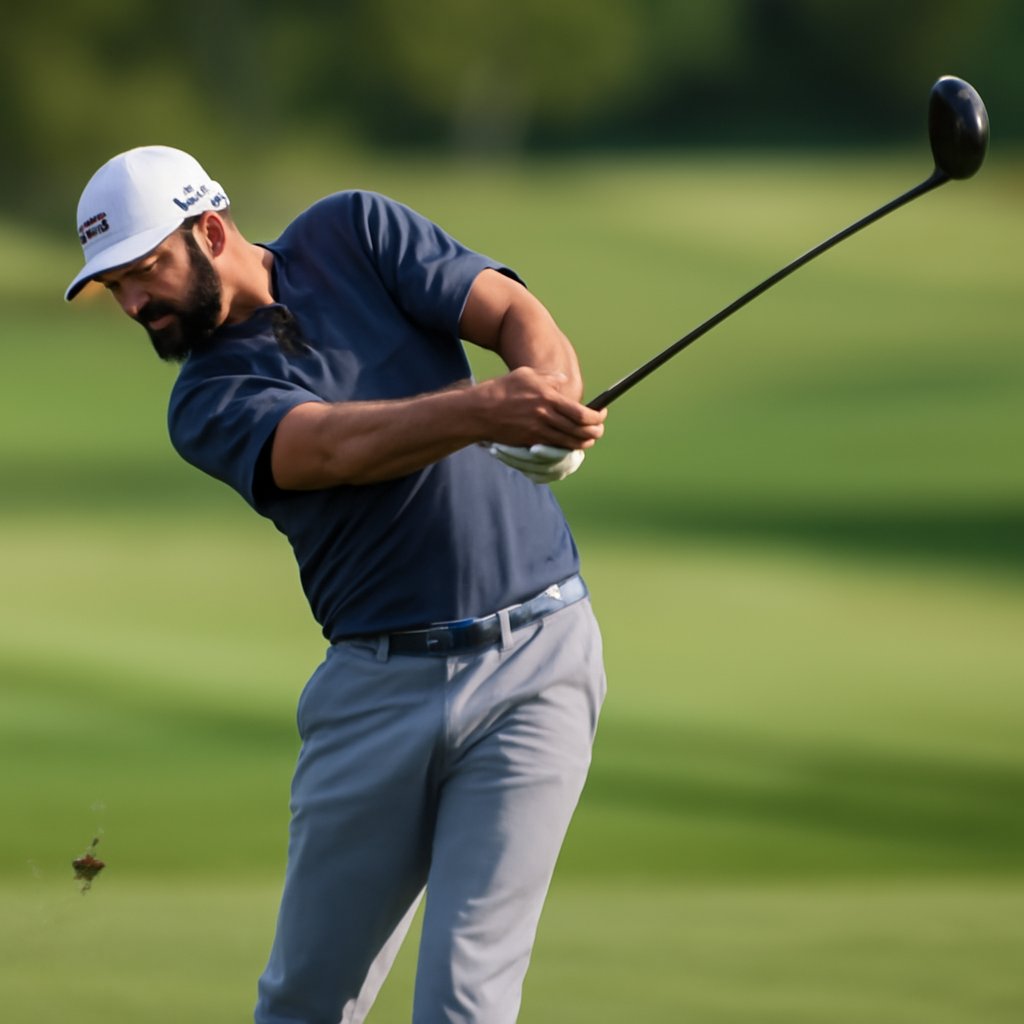
There’s a certain thrill that hits you when you step onto a tee box halfway around the world, the grass underfoot still damp from morning dew and the distant hum of a new language drifting from the clubhouse. That mix of anticipation and sensory detail is what keeps me exploring courses across continents, and it’s also what draws me to studying players like Dustin Johnson whose powerful driving techniques turn those wide-open fairways into invitations rather than obstacles. As someone who follows the LPGA closely, I’ve seen how elements of that same explosive approach can inspire the women on tour too, even if the raw numbers differ.
Johnson’s foundation starts with a wide, athletic stance that gives him balance and stability, feet just beyond shoulder width with a subtle flare on the front foot. His grip sits neutral to slightly strong, letting the clubface square up naturally. When I played that course last spring in the Scottish Highlands, where the wind can knock you sideways, I tried widening my own stance the way he does and felt an immediate steadier base before even swinging.
He keeps a slight knee flex and tilts his spine just enough to promote an upward strike, aligning square or a touch closed to encourage a draw and extra roll. Keeping the head steady and weight centered at address before loading into the backswing is the key detail recreational players can borrow. I’ve noticed the same posture cue helping me on rolling links courses in Ireland, where the ground itself seems to add speed once the ball lands.
The real magic lives in his wide takeaway and full shoulder turn. Johnson avoids early wrist hinge, keeping the club on a broad arc while his left arm stays straight at the top and his hips start clearing early. That separation between upper and lower body is what creates the clubhead speed he’s famous for. Transitioning with a powerful lower-body shift, weight moving forward as the club drops into the slot, produces that late release and maximum speed at impact. Pausing briefly at the top before firing the hips is a drill I’ve watched LPGA players experiment with during practice rounds.
His finish stays high and balanced, the club wrapping around the body and the back foot rising onto the toes. That full release prevents deceleration, something I remind myself of every time I chase extra distance on a par-five in New Zealand or South Africa. To build similar power, the step-through drill—stepping forward with the back foot after impact—encourages proper weight transfer, while medicine-ball rotational throws mimic the core explosion he relies on. Consistent practice of these has added noticeable yards for many amateurs I’ve met on my travels.
What separates Johnson from other long hitters is his ability to maintain accuracy alongside distance. Many golfers chase raw yardage at the expense of consistency, but Johnson’s technique produces both. His fairway-hitting percentage regularly ranks in the top 10 on the PGA Tour despite his aggressive approach. This balance comes from the disciplined foundation he builds at address—that neutral grip, stable stance, and centered weight position all work together to ensure the club returns to a square position at impact even when swinging at maximum effort. For recreational golfers, this underscores an important lesson: you don’t have to sacrifice control for distance if you build your swing on a solid technical foundation.
The athletic nature of Johnson’s swing also reflects his physical conditioning regimen. His explosive lower-body action doesn’t happen by accident—it’s the result of dedicated strength and flexibility training. Johnson incorporates rotational core work, lower-body power exercises, and mobility drills into his routine. For amateurs looking to add distance, a similar commitment to conditioning can yield significant results. Exercises targeting hip mobility, core stability, and lower-body explosiveness directly translate to increased clubhead speed. Many golfers overlook this component, believing that swing mechanics alone will deliver the goods, but Johnson’s example shows that the modern game requires both technical proficiency and athletic development.
Another dimension of Johnson’s driving prowess lies in his equipment optimization. Working with his club manufacturers, Johnson fine-tunes driver specifications to match his swing characteristics. His driver typically features a lower spin rate compared to many tour players, which allows his high launch angle and aggressive swing speed to produce maximum carry distance. While recreational golfers may not have access to the same level of equipment customization, understanding how driver loft, shaft flex, and head design influence ball flight can help you select clubs that complement your swing. Getting a proper club fitting, where a professional measures your swing speed, launch angle, and spin rate, can make a meaningful difference in your driving distance and consistency.
Johnson’s driving has been decisive in his major wins. At the 2016 U.S. Open he overpowered Chambers Bay’s firm fairways with sheer length. Four years later he captured the Masters at Augusta National, repeatedly reaching par fives in two and creating birdie chances. Those performances show how his approach holds up under the brightest lights.
The 2016 U.S. Open victory deserves particular attention as it showcases his ability to adapt his driving strategy to specific course conditions. Chambers Bay, a links-style course on the Pacific Northwest coast, demanded both distance and precision. Johnson’s length off the tee allowed him to attack the course aggressively while others were forced to be more conservative. He averaged 306 yards off the tee that week while maintaining a respectable fairway-hitting percentage. This demonstrated that his driving power wasn’t a one-dimensional brute-force advantage but a sophisticated tool that worked within a broader strategic approach.
Johnson has led the PGA Tour in driving distance multiple times, averaging over 310 yards in peak seasons. He won the 2020 Masters by five shots, leaning on that tee-ball advantage. Across his career he posted top-10 finishes in driving distance in 12 of 15 full seasons, and his 2016 U.S. Open victory featured the longest average drive of any winner in the previous decade. He also ranks among the all-time leaders in career earnings thanks to consistent ball-striking powered by his driving.
Beyond pure statistics, Johnson’s impact on modern golf has influenced how the sport thinks about power off the tee. His success demonstrated that explosive athleticism and technical precision could coexist, challenging earlier assumptions that the longest hitters were necessarily wild or unreliable. Young professionals entering the tour have studied his techniques and adopted similar approaches to their own games, recognizing that distance is a legitimate strategic advantage when coupled with adequate accuracy.
For golfers working to improve their driving, Johnson’s approach offers a comprehensive model. Start with the fundamentals: build a stable, athletic stance with proper alignment and ball position. Develop a wide, unhurried takeaway that establishes the broad arc necessary for maximum speed. Focus on the separation between upper and lower body during the transition—this is where raw power originates. Commit to a full, balanced finish that indicates complete release of the club through the ball. Couple these mechanical elements with dedicated physical conditioning, particularly rotational core strength and lower-body explosiveness. Finally, ensure your equipment is properly fitted to your swing characteristics.
Dustin Johnson’s powerful driving techniques blend a straightforward setup, wide swing arc, and explosive lower-body action to deliver serious distance. By paying attention to his grip, posture, transition, and finish, golfers everywhere can find longer, more confident tee shots while keeping the control needed for championship play. Every time I lace up my shoes on a new course, I carry a little piece of that inspiration with me.