
Training Drills Used by PGA Professionals
I’ve spent years chasing the perfect round across sun-baked fairways in Spain and misty links in Scotland, and nothing quite matches the quiet thrill of watching how the best players prepare. Training drills used by PGA professionals form the backbone of consistent performance on the PGA Tour, helping players refine their skills for major championships like the Masters and U.S. Open. These targeted exercises allow top golfers to build precision, power, and mental resilience under pressure, turning average rounds into tournament-winning efforts. From alignment routines to high-intensity short game sessions, PGA professionals rely on proven methods that have been refined over decades of competition. As someone who follows the LPGA closely, I’ve noticed many of the same habits among the women I’ve watched compete, and they echo what I’ve felt under my own feet on courses where the grass whispers in the wind.
Putting drills used by PGA professionals emphasize alignment and distance control, critical elements that separate winners from the field in major championships. Players like Scottie Scheffler incorporate gate drills where tees are placed just outside the putter path to ensure a square face at impact. This simple yet effective method builds muscle memory that translates directly to pressure-packed moments on the greens at Augusta National. When I played that course last spring, the way the light danced across those undulating surfaces reminded me how one perfect roll can change everything.
Many PGA Tour stars begin each practice session with alignment sticks positioned parallel to the target line. By stroking putts through the narrow gate created by two tees, professionals like Rory McIlroy develop a repeatable stroke that minimizes face rotation. Regular use of this drill has helped McIlroy maintain one of the strongest putting averages during recent PGA Tour seasons. Distance control ladders involve placing balls at incremental distances from three to twenty feet and attempting to leave each putt within a three-foot radius of the hole. This drill, favored by Jordan Spieth, sharpens feel on longer lag putts and reduces three-putts during major championship rounds where green speeds vary dramatically.
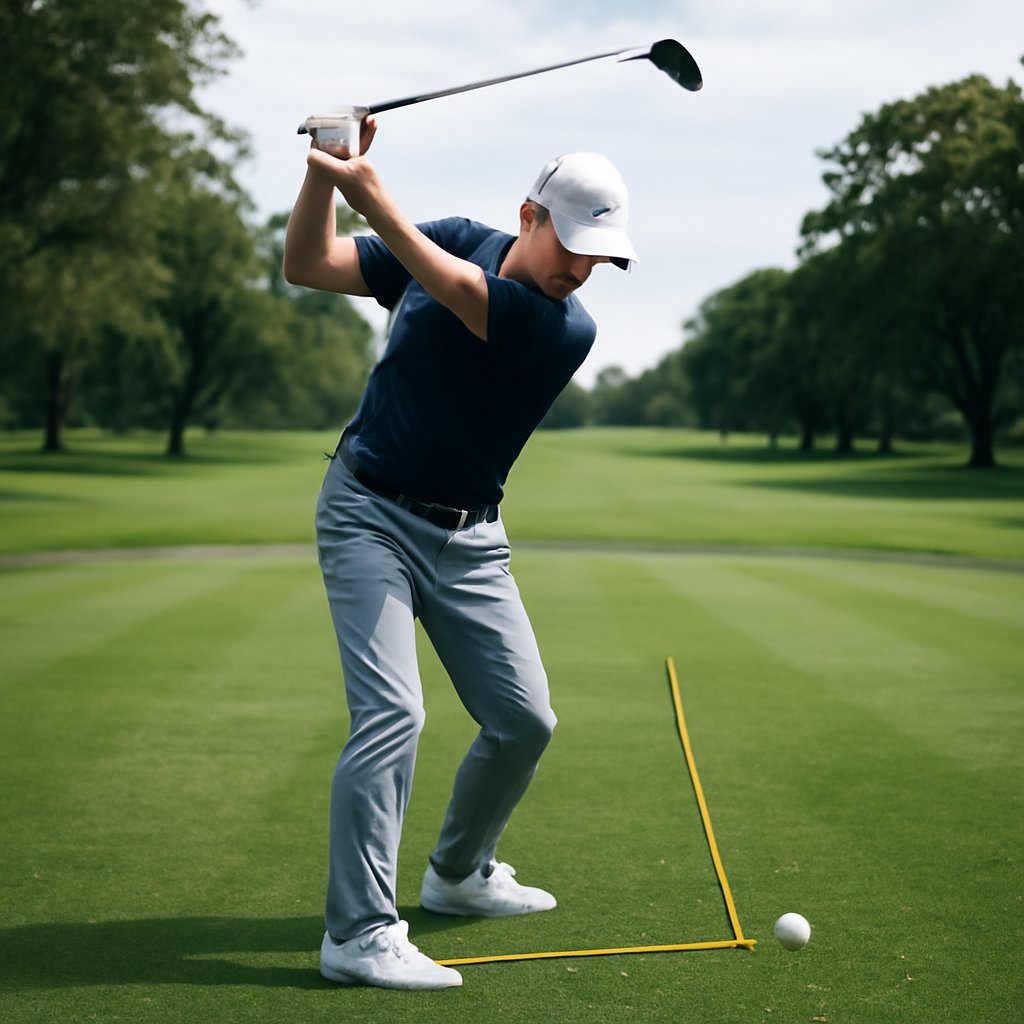
Full swing drills used by PGA professionals focus on path control and tempo, allowing players to generate consistent ball flight even in windy conditions common at links-style majors. Professionals often film their swings at high speed to analyze launch angles and spin rates, then adjust using impact bag work or alignment rod feedback. One popular method involves counting “one-two” during the backswing and downswing to maintain rhythm. PGA professionals such as Justin Thomas use this to prevent rushed transitions that lead to slices or hooks under tournament stress. The drill also incorporates pause points at the top of the swing to promote better sequencing through the body. Striking an impact bag with the clubhead square to the target helps reinforce proper release. Combined with alignment rods placed outside the ball, this training builds the in-to-out or out-to-in path needed for controlled draws and fades, skills that have proven decisive in PGA Tour playoffs and major championship finishes.
Short game drills used by PGA professionals are vital for saving pars around the greens, especially during the final rounds of major championships where every stroke counts. Players dedicate significant time to flop shots, bunker escapes, and chip-and-run techniques that adapt to varying lies and grass types. Using a line drawn in the sand, professionals practice entering the bunker at the same point every time to control distance. This method, refined by players like Phil Mickelson, allows for reliable explosion shots even from deep lies encountered on courses like Oakmont during U.S. Open week. Setting up multiple targets at varying distances, golfers chip balls toward each spot while focusing on low, running trajectories. Such drills improve touch and reduce the risk of thin or fat contact, helping PGA Tour professionals maintain scoring average advantages in windy, firm conditions typical of The Open Championship. The scent of crushed grass and distant sea salt still lingers in my memory from rounds on similar seaside venues.
Top PGA Tour players spend an average of 45 percent of practice time on putting drills to maintain sub-1.7 putts per green in regulation. Players who incorporate impact bag work regularly see up to a 12 percent improvement in fairway accuracy during major championship weeks. Short game sessions lasting 90 minutes daily have been linked to lower scrambling percentages among the top 50 players in the Official World Golf Ranking. Alignment stick drills are used by over 80 percent of PGA professionals preparing for the Masters Tournament each spring. High-speed video analysis combined with tempo counting has helped multiple major winners reduce dispersion on driver shots by nearly 15 yards. Mental visualization drills practiced alongside physical training correlate with stronger final-round performances in PGA Tour events.
Training drills used by PGA professionals combine technical repetition with mental preparation to deliver results when it matters most. By focusing on putting precision, swing path, and short game versatility, these athletes stay competitive across the demanding PGA Tour schedule and in major championships. Golfers at every level can adopt similar methods to accelerate improvement and enjoy greater consistency on the course.
Sources
- PGA Tour Official – Professional golf news, player statistics, and training insights
- Golf Digest Instruction – Expert training drills and coaching techniques
- Golf.com Instruction – Professional swing tips and practice routines
- Golf Channel Instruction – Video lessons and professional training programs
- ESPN Golf – Professional golf coverage and player performance analysis