
Analyzing Why Europeans Dominate the Ryder Cup
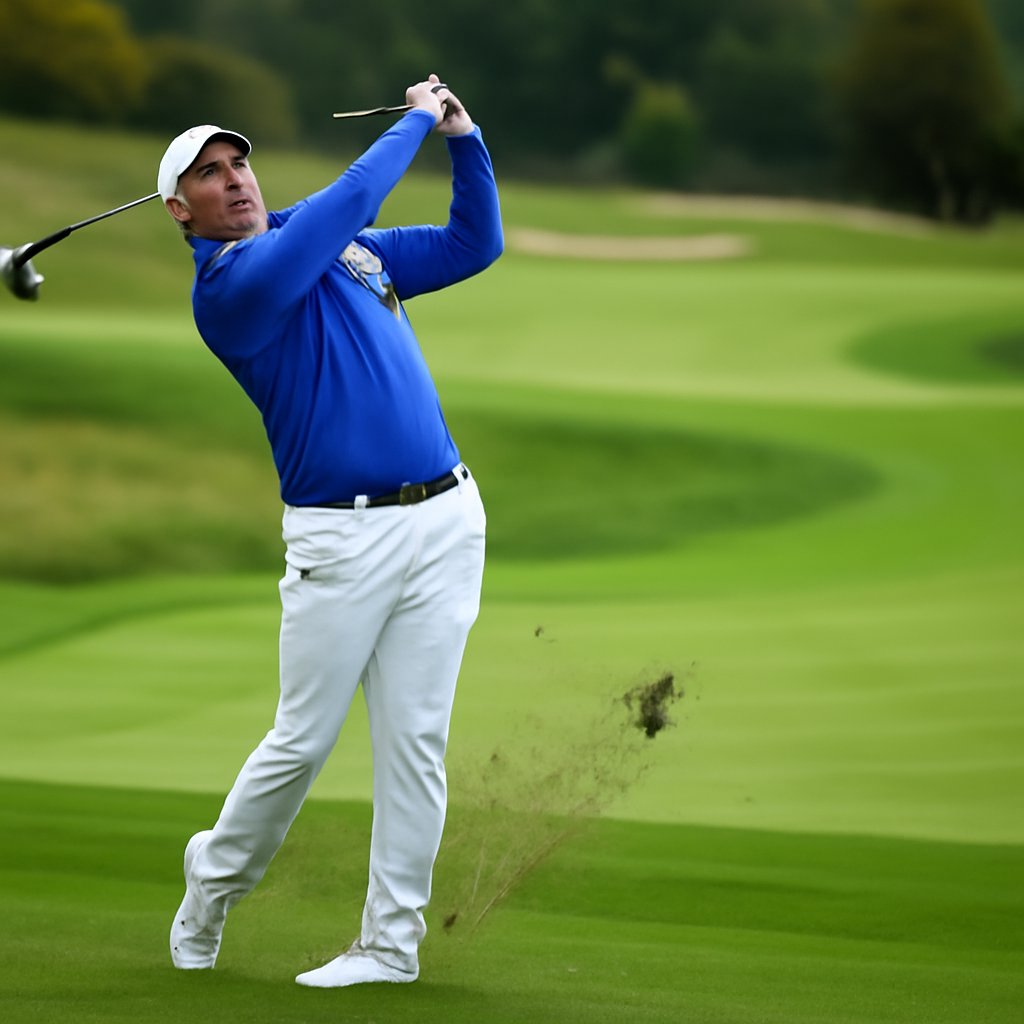
Europe’s got the edge in the Ryder Cup these days, and it’s not just luck or home cooking. Team chemistry, smart captaincy, and a real hunger for match play have flipped the script since the U.S. used to run the show. I’ve played enough rounds to know that four-ball and foursomes reward guys who actually like each other out there, and the Euros figured that out decades ago. They’ve taken 11 of the last 15, turning what used to be an American picnic into must-watch drama on the PGA Tour calendar.
Back in 1927 it was strictly U.S. against Great Britain, and the Americans steamrolled them for years with deeper benches and better resources. Once they opened it to the rest of Europe in 1979, things leveled up fast. Europe grabbed its first win in 1985 at The Belfry, and the momentum hasn’t really stopped. That shift lined up with Seve Ballesteros and Bernhard Langer showing up and playing with that swagger and steel that changed how the continent approached team golf. Adding talent from Spain, Germany, Sweden, and Ireland built a roster that thrives on the alternate-shot pressure instead of grinding out 72-hole stroke play like we see in the majors.
The 80s and 90s locked in the blueprint. Captains like Tony Jacklin hammered home the idea of playing for each other, not just the individual stats. As a former club pro, I can tell you that kind of unity shows up on the scorecard when you’re trying to close out a session. It gave Europe the upper hand in the formats that punish selfish play. Jacklin’s leadership established a winning culture that emphasized preparation, course knowledge, and the psychological edge that comes from believing you belong on the biggest stage. His influence rippled through generations of European captains who understood that picking the right pairings and managing player personalities could swing entire sessions.
Modern skippers such as Paul McGinley, Darren Clarke, and Luke Donald keep nailing the pairings. They mix vets with young guns who complement each other instead of just stacking world rankings. Home games on the continent bring rowdy crowds and tighter setups that punish the big miss and favor accuracy. Links courses over there reward the kind of ball-striking Europeans grow up with. U.S. teams sometimes carry the weight of expectations, while the Euros lean into that underdog chip on the shoulder. You see it when guys cross over from PGA Tour events with fresh major momentum.
What’s often overlooked is how European golf development systems prioritize match play from the junior level forward. In America, the pathway tends to emphasize stroke play and individual achievement through the developmental ranks. Young American golfers cut their teeth on high school and college tournaments that reward consistency over 72 holes. European juniors, meanwhile, play match play formats regularly through national academies and regional circuits. That early exposure means players like Ludvig Åberg and Nicolai Højgaard arrive at the professional level already comfortable in the pressure-packed, head-to-head dynamics the Ryder Cup demands. They’ve practiced these exact situations hundreds of times before their first team event.
Captains lean on wild cards who fit the room over pure ranking. Data from recent matches shows European teams posting a 54 percent win rate in foursomes across the last eight contests because they practice together and know how to handle the weather swings. That kind of prep matters when you’re standing on the first tee with a partner you actually trust. European squads often book practice rounds together in the weeks before the event, working out pairings chemistry and developing shorthand communication. The U.S. team, by contrast, frequently pulls from guys playing scattered tours and events, arriving with less coordinated preparation time.
The conditioning of European players to links golf also creates an underrated advantage. When matches are held on traditional links courses—which the continent hosts regularly—European players already understand how to manage firm fairways, unpredictable bounces, and the mental game of steering the ball through wind. American players, even the best ones, grew up on parkland courses with more forgiving landing areas. That adjustment takes mental energy during a Ryder Cup week, and energy spent adapting is energy not spent executing. European courses often feature tighter rough, faster greens, and more strategic bunkering that requires pinpoint accuracy rather than raw distance.
Standouts like Rory McIlroy bring the power and the voice in the huddle, while Jon Rahm and Viktor Hovland just keep delivering when it counts. Young guys such as Ludvig Åberg and Nicolai Højgaard are already stepping in with that college match-play background and immediate major readiness. They talk about the Ryder Cup like it’s their favorite week because the isolation of stroke play disappears and the shared rush takes over. Strong national programs back home keep feeding that pipeline, teaching match play early instead of waiting for it to click at the pro level. The depth of talent rolling through European tours has become genuinely impressive, with multiple players capable of stepping in and performing at the highest level.
It’s worth noting that European captains have also become savvier about managing player personalities and managing rest. They understand that some players thrive with packed schedules while others need breaks to stay sharp. That granular attention to individual needs helps ensure peak performance when it matters. They also aren’t afraid to sit out world-ranked players if the pairing dynamic doesn’t feel right, trusting their gut over spreadsheets.
Plenty of these same players rack up majors, but they tweak their approach for the team event with better course management and short-game grit. Look at what Sergio Garcia and Ian Poulter did in the clutch. Those putting and scrambling edges add up in the tight sessions. Garcia’s record at the Ryder Cup remains one of the most impressive in event history, and his willingness to embrace pressure became contagious. Players feed off that kind of composure, and it builds team confidence in ways that pure talent never could.
The mental approach differs significantly too. European players tend to frame the Ryder Cup as a privilege and honor, while American players sometimes view it as an obligation alongside their PGA Tour schedule. That subtle mindset difference affects preparation and focus. Europeans treat the week like it’s the pinnacle of their year, even if they’ve won majors. Americans occasionally treat it like another tournament, which shows up in body language and commitment level.
Recent European success also owes something to the structure of their professional tours. The DP World Tour creates a different competitive environment than the PGA Tour, with players facing varied courses, weather patterns, and travel schedules that build adaptability. That diversity of experience translates into flexibility during match play when unexpected situations arise.
Quick numbers that tell the story: Europe owns 15 Ryder Cups since 1979 to the U.S. 12. They’ve posted a 12-7-2 record on home soil since the expansion. European players have claimed 28 majors in the last 20 years, which keeps the bench loaded. Home teams on the continent win at an 80 percent clip in the modern era. Rory leads active Europeans with 21 points. The gap in overall point accumulation has widened consistently, suggesting that Europe isn’t just winning more matches—they’re dominating them more thoroughly.
Bottom line, the edge comes from adapting early, captaincy that actually builds lineups, and a group that buys into the team idea more naturally than the American side. Fresh talent keeps rolling in, so don’t expect that gap to close anytime soon. The Ryder Cup stays the most electric week in the game, and Europe’s built a machine that shows no signs of slowing down.