
Profile of Seve Ballesteros and His Lasting Legacy
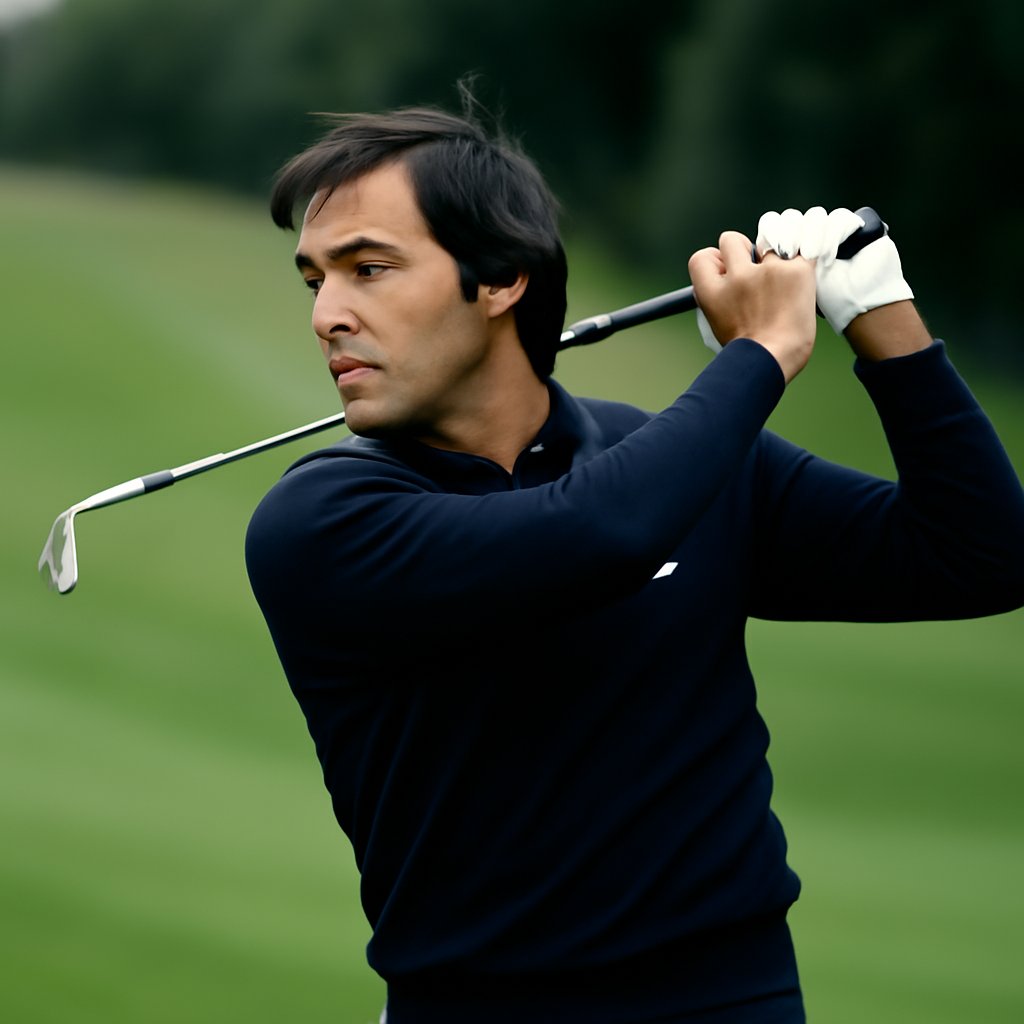
There’s something utterly captivating about following in the footsteps of Seve Ballesteros, a name that still echoes through the windswept links and sun-drenched fairways I’ve wandered in my travels. From his roots in a quiet Spanish fishing village to his five major titles, Seve’s story pulses with the kind of creativity and fire that turned golf into a global spectacle. As someone who follows the LPGA closely, I often see echoes of his daring in the shot-making of today’s top women players—it’s that same spark that draws me back to courses year after year.
Seve was born on April 9, 1957, in Pedreña, a small coastal spot in northern Spain. Growing up in a golfing family, he sharpened his game on the beaches with a makeshift three-iron, crafting the inventive short game that became his signature. By 16 he turned pro and burst onto the European scene. His breakthrough arrived in 1976 with a runner-up finish at The Open Championship at Royal Birkdale, marking him as a prodigy ready to take on the world. That early momentum opened doors to the PGA Tour and helped pave the way for Spanish and European golfers chasing major glory. When I played a links course along Spain’s northern coast last spring, the salty air and shifting dunes reminded me exactly how those beach origins must have shaped his inventive style.
His first major came at the 1979 Open Championship at Royal Lytham & St Annes, where recovery shots from the rough erased a three-shot deficit. Two more Open wins followed in 1984 and 1988, each revealing his gift for course management and steely focus under pressure. The Masters titles in 1980 and 1983 sealed his place, making him the youngest winner at Augusta at the time. Through the 1980s he collected multiple PGA Tour victories, including the 1987 World Match Play Championship. Rivalries with Tom Watson and Bernhard Langer lifted European golf’s profile, pulling in fresh fans and lifting TV numbers for majors everywhere. Standing on the 18th green at Lytham once, I could almost feel the tension he must have carried—the grass underfoot, the crowd’s hush, all of it.
What truly set Seve apart from his contemporaries was his willingness to play by feel rather than formula. While American golfers of the era relied heavily on methodical swing mechanics and structured practice routines, Seve embraced improvisation. He’d hit shots from impossible lies—buried in bunkers, nestled against trees, half-buried in rough—with a creativity that seemed to defy the conventional wisdom of the day. His famous “Seve shuffle,” a celebratory step-drag movement he performed after great shots, became iconic because it captured his pure joy in the game. Weekend golfers and professionals alike began mimicking it, turning what could have been seen as showboating into an expression of the game’s infectious energy.
The 1983 Masters victory stands as perhaps his most memorable triumph. Playing at Augusta National, a course that demands precision and patience, Seve instead played with imagination and boldness. He demonstrated that you didn’t need a perfect swing to win golf’s greatest prizes—you needed nerve, creativity, and an unshakeable belief in your ability to pull off the impossible. That victory particularly resonated across Europe, where aspiring golfers saw one of their own conquering the American establishment on its most hallowed ground. It shifted the narrative of professional golf and proved that excellence could be achieved through multiple paths.
Seve’s artistic flair changed the game, putting imagination ahead of rigid rules. His short-game magic around the greens still inspires the tips sessions I watch players reference today. He helped revive the Ryder Cup, captaining Europe to the 1997 win and lighting the path for stars like Sergio Garcia. His captaincy at Valderrama in Spain marked a turning point in transatlantic golf competition, energizing European players with home-course advantage and transforming the Ryder Cup into the thrilling, emotionally charged event it remains today. Many golf historians credit Seve’s vision and leadership during that era with elevating the Ryder Cup from a secondary competition to one rivaling majors in prestige and viewership.
Off the course he launched the Seve Ballesteros Foundation to nurture young talent and spread golf into new corners of the world. His ideas touched course design and equipment too, urging everyone to play with more freedom during PGA Tour stops and majors. The foundation has introduced thousands of children across Europe and Latin America to golf, providing instruction and opportunities to young players who might never have discovered the game otherwise. This commitment to growing golf at the grassroots level represented a different kind of legacy—one built on accessibility and inclusion rather than personal accolades alone.
Beyond his tournament victories, Seve’s influence on European golf cannot be overstated. Before his emergence, the PGA Tour was dominated by American and occasional Australian players. The success of Seve opened doors for other European talents—Nick Faldo, Bernhard Langer, José María Olazábal—who would go on to win major championships themselves. He transformed Europe from a secondary golf market into a genuine powerhouse, fundamentally reshaping the global golf landscape. Television networks began investing more heavily in European tournaments, sponsors noticed the talent pool expanding, and young Europeans grew up believing they could compete at the highest levels.
His competitive record speaks volumes: 50 European Tour wins, multiple European Player of the Year honors throughout the 1980s, and 87 worldwide professional victories. He finished in the top 10 of majors an astounding 20 times, demonstrating consistent excellence over nearly two decades. He held the record for most weeks atop the European Tour Order of Merit, underscoring his dominance during his prime years. When he was inducted into the World Golf Hall of Fame in 1999, it was recognition of not just his major championships but his transformative impact on the sport itself.
The 2008 diagnosis of a malignant brain tumor shocked the golf world, cutting short what many believed would be a long and productive retirement spent mentoring younger players and expanding his foundation’s reach. Seve passed away on May 7, 2011, at just 54 years old, robbing golf of one of its most vibrant personalities at a time when his wisdom and vision were perhaps needed most. In the years since, his legacy has only grown, with younger players regularly crediting him as an inspiration and modern course designers referencing his philosophy about allowing creativity and shot-making to flourish.
Today, the Seve Trophy—a team competition between Europe and the Rest of the World—stands as a fitting tribute to his competitive spirit and his role in elevating international golf competition. Young players across Europe wear their heritage with pride partly because Seve showed it was possible to succeed while staying true to your roots and your unique style.
Seve’s legacy keeps golf alive with passion, fresh ideas, and quiet grit. His major triumphs and tireless work to grow the game still stir both pros and weekend players, so that his spirit lingers in every inventive shot we chase across the world’s courses. Whether it’s a young golfer attempting an audacious recovery shot or a professional embracing creativity over rigid mechanics, Seve’s influence endures. He proved that golf’s greatest moments come not just from perfection but from imagination, courage, and an uncompromising commitment to playing the game with joy. For anyone who loves golf, understanding Seve’s story is understanding how this beautiful game evolved into the global phenomenon it is today.