
History of the Ryder Cup Rivalries
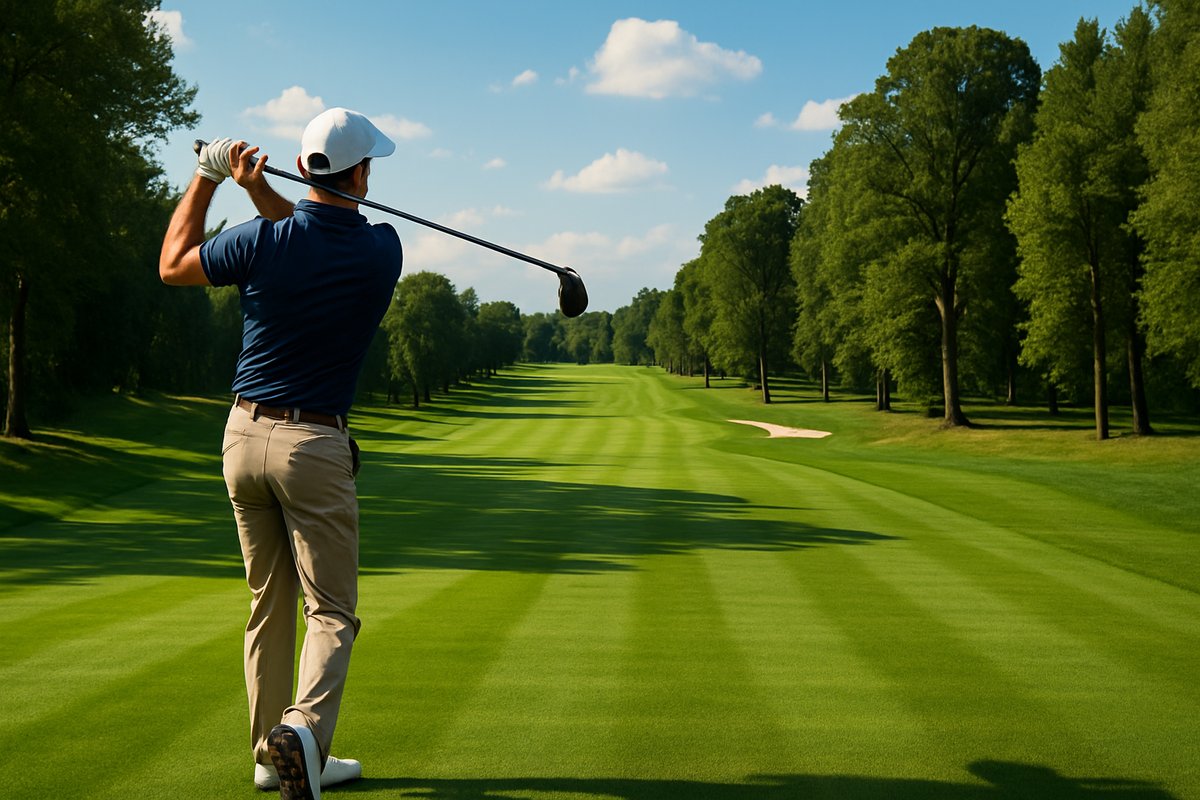
The Ryder Cup’s got this grip on golf that nothing else matches—pure USA vs Europe fire, with guys from the PGA Tour grinding it out every two years in matches that turn friendly into flat-out war. It started back in 1927 when Samuel Ryder put up the trophy to build some goodwill between British and American players, but it didn’t take long for that to flip into serious national pride stuff. Early on it was just Great Britain against the States, and the Americans ran the table behind ball-strikers like Walter Hagen and Gene Sarazen. Those transatlantic trips were no joke back then, before jets made it routine.
From ’27 into the ’50s the U.S. kept stacking wins, powered by players who were also chasing Masters and U.S. Open hardware. British sides, with Henry Cotton trying to spark them, got the occasional push but couldn’t match the depth coming off the PGA Tour circuit. As a former club pro, I can tell you those personal grudges started building fast, turning what was supposed to be goodwill into straight national superiority plays. The early decades established a pattern that would define American dominance—deeper talent pools, more tournament experience, and the confidence that came from regular competition on home soil.
Everything shifted in 1979 when the team went full Europe. That brought in serious firepower from Spain, Germany, and Sweden and made the whole thing unpredictable. Seve Ballesteros became the face of that resistance—his short-game magic and attitude lit up teammates and rattled the Americans. Pairing him with José María Olazábal created one of the best duos ever in fourball and foursomes. On the other side, Tom Watson and Larry Nelson brought that cold-blooded resolve that defined U.S. squads in the ’80s, and those battles carried right over into regular PGA Tour events the next season. The expansion to a full European team wasn’t just administrative—it fundamentally changed the competitive balance and made the event must-watch golf for fans across the Atlantic.
The chemistry between European partners became a defining element of their success in a way that hadn’t existed before. Jose Maria Canizares, Bernhard Langer, and Ian Woosnam learned to trust each other in high-pressure situations, and that teamwork translated into victories that seemed impossible during the American reign. The psychological shift mattered too—European players stopped viewing the Ryder Cup as a trophy tour and started treating it like their Masters, investing emotional energy and national pride into every shot. American captains noticed the change quickly, and by the mid-1980s, the matches had taken on a completely different flavor.
I’ve played enough rounds to know home-soil advantage is real, and the ’90s and 2000s proved it with Tiger Woods, Phil Mickelson, and Sergio Garcia driving the storylines. Captains like Bernhard Langer and Colin Montgomerie leaned on venues like The Belfry and Valderrama to squeeze every edge. Key turning points include the 1991 “War by the Shore” at Kiawah, where Hale Irwin squared off against Langer, Europe’s record romp in 2004 at Oakland Hills with Paul Casey and Luke Donald stepping up, and the 2012 “Miracle at Medinah” when Rory McIlroy and Ian Poulter dragged Europe back from a 10-6 hole on Sunday. That Medinah comeback remains one of sports’ greatest comebacks—trailing heading into Sunday singles and storming back to steal the Cup is the kind of moment that defines careers and builds legends.
The venue itself has proven to matter enormously in Ryder Cup history. European courses like Valderrama and The Belfry seemed to unlock something special in European teams, while American strongholds like Kiawah and Hazeltine powered U.S. efforts. Weather conditions, rough heights, green speeds, and even crowd dynamics all get factored into captain’s selections and match play strategy. A captain choosing a home venue gets to shape the narrative before a single shot is struck, building confidence in the team room and introducing subtle psychological advantages that casual fans might miss but professionals absolutely feel.
Player matchups keep adding layers—Nick Faldo’s methodical style next to the flair around him, Davis Love III bringing major pedigree into the team room, and now Jordan Spieth and Jon Rahm mixing PGA Tour form with the unique pressure of team golf. The all-time ledger sits at United States 27-15-2, but Europe has owned it since 1985 with 12 wins to the Americans’ 7. Seve still holds the European points record at 20 from 37 matches. Biggest blowout was the U.S. 23.5-8.5 at Walton Heath in 1981. Europe’s 2006 win at the K Club was the first time it landed in Ireland. Tiger went 13-21-3 across eight Ryder Cups, showing how different team golf hits versus individual PGA Tour events. The 2016 win at Hazeltine ended a drought under Davis Love III. Five players have grabbed the Ryder Cup, Masters, and Open Championship: Arnold Palmer, Jack Nicklaus, Tiger Woods, Seve Ballesteros, and Nick Faldo. Home teams have taken 18 of the last 22. Phil Mickelson owns the American points mark with 26 and played a record 12 times. The 2021 match at Whistling Straits gave the U.S. its biggest margin since 1981 at 19-9.
What makes the Ryder Cup unique compared to other team events is the format itself. Fourball and foursomes competitions create wild swings in momentum and require players to adjust their mindset constantly. In foursomes, where players alternate hitting the same ball, strategy becomes paramount—knowing when to lay up, when to be aggressive, and how to support a struggling partner. Fourball matches let each player use their own ball, which sounds simpler but actually adds complexity because every putt matters individually. Singles matches on the final day bring it back to individual excellence, but by then the psychological toll of team competition has already reshaped how players approach their shots.
The captain’s role has evolved dramatically over the decades. Early captains were essentially figureheads, but modern captains like Langer, Love, and Padraig Harrington function as team psychologists, strategic masterminds, and motivational speakers rolled into one. They’re responsible for everything from pairing decisions to managing egos to reading momentum shifts and making bold calls during matches. A captain who gets pairings right can create momentum that carries through multiple sessions. One who misreads the team energy can watch confidence crumble faster than anyone expects.
The rivalries keep rolling with fresh PGA Tour talent stepping into the pressure cooker, proving the event still creates stories that stick long after the singles matches end. Young players like Jon Rahm, Scottie Scheffler, and Rory McIlroy represent the next generation carrying forward rivalries that their predecessors built. The Ryder Cup remains the one event where money and world rankings take a backseat to national pride and team legacy, making it golf’s most raw and emotional competition.