
Bryson DeChambeau’s Unique Approach to Power Golf
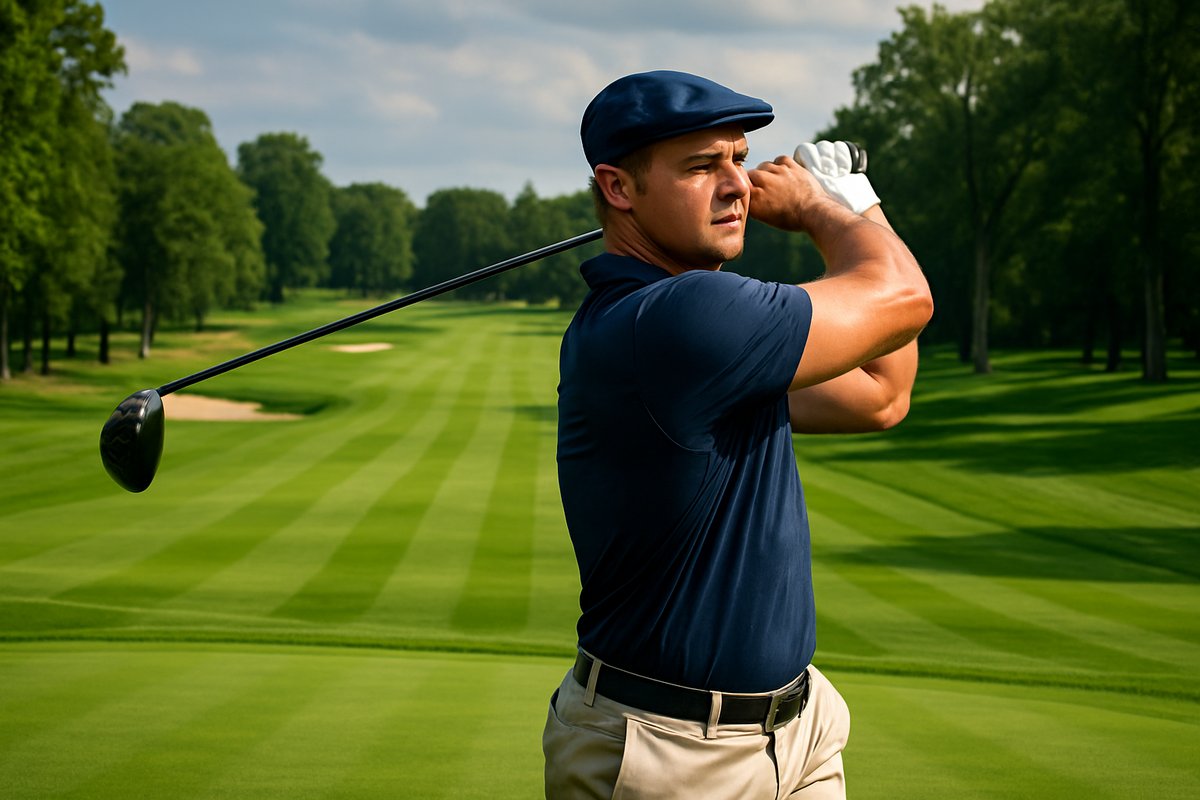
Bryson DeChambeau has flipped the script on how distance gets built on the PGA Tour by mixing hard science with some of the most aggressive training you’ve seen from any player. He chases raw power without giving up the precision that matters when you’re attacking pins in the majors, and the results speak for themselves with those 320-plus-yard bombs that keep showing up on leaderboards.
His single-plane swing is the foundation. Instead of the usual two-plane motion with extra hinge points that can get sloppy, Bryson keeps the arms and shaft on one consistent plane from takeaway through impact. That cuts down on variables and lets him generate repeatable speed. I’ve played enough rounds to know that focusing on a straight lead arm and an aggressive body rotation through the ball does exactly that—max clubhead speed with less wasted effort. He leaned on physics to dial in the torque and angular velocity, and it’s paid off with driving averages that put him right there with the longest hitters in the game. Film your swing and check that the shaft lines up with the lead arm at key spots; that’s the kind of practical tweak that turns theory into extra yards.
The single-plane concept, which DeChambeau studied extensively under coach Chris Como, eliminates the complexity that trips up most amateurs. Traditional swings involve an upright backswing plane followed by a shallower downswing plane—a two-plane system that requires perfect timing. DeChambeau’s approach maintains consistency through the entire swing, meaning small adjustments in grip pressure or stance width don’t derail the whole sequence. This mechanical simplicity is particularly valuable under pressure in major championships where mental fatigue can creep into physical execution. The repeatability factor becomes huge when you’re competing at the highest level over four days straight.
Then there’s the gear. Single-length irons mean every club in the bag plays like a 7-iron, so the setup and swing never change. Throw in extra-stiff shafts and heavy tungsten weighting and you’re looking at max energy transfer at impact. As a former club pro, I can tell you those oversized grips and custom lie angles only work if the fitting is spot-on—otherwise you’re just asking for trouble. Guys chasing the same edge on the amateur side can test shorter sets or bigger grips, but skip the proper build and you’ll fight injuries instead of gaining distance.
DeChambeau’s equipment philosophy extends beyond just raw specs. His driver setup, typically featuring a Cobra Radspeed or similar model, is built with a head weight distribution that optimizes spin rates for his aggressive swing speed. Most golfers benefit from moderate spin rates around 2,500 RPM, but at 125+ mph clubhead speed, DeChambeau actually wants slightly lower spin to keep the ball in play. This is counterintuitive to what many weekend golfers assume about distance—it’s not always about launching higher and softer. Working with a qualified fitter who understands your swing speed and angle of attack becomes essential before making expensive equipment changes.
The physical side is where it gets extreme. Bryson packed on more than 40 pounds of muscle through heavy compounds, rotational med-ball throws, and core work built for swing speed. Nutrition timed around those sessions keeps recovery on track so the power holds up over 72 holes plus playoffs in the majors. Start with mobility and three strength sessions a week focused on rotation, not just size, and you’ll see the payoff in longer drives when it counts.
What separates DeChambeau’s training approach from typical gym routines is the specificity to golf mechanics. Traditional strength programs often focus on bilateral movements—squats, bench press, deadlifts—which build overall power but don’t necessarily translate to rotational velocity. DeChambeau’s program emphasizes anti-rotation exercises, single-leg work, and explosive rotational movements that directly enhance the forces needed in the golf swing. Medicine ball throws, landmine presses, and cable rotations train the exact muscle groups involved in generating clubhead speed. Additionally, he prioritizes posterior chain development—glutes, hamstrings, and lower back—which are the powerhouse muscles that initiate the downswing. Amateurs can steal from this playbook by incorporating Pallof presses, single-leg Romanian deadlifts, and rotational cable work into their routines.
Nutrition deserves its own spotlight in the DeChambeau equation. The timing of protein intake, carbohydrate loading before tournament rounds, and micronutrient management all play roles in sustaining the energy demands of his training and competition schedule. He’s documented working with nutritionists to dial in macronutrient ratios that support muscle growth without excessive fat gain—a careful balance when adding 40+ pounds of mass. For most golfers, the lesson isn’t to bulk up like a professional, but to understand that what you eat directly impacts your energy levels, recovery capacity, and ability to maintain swing speed late in a round when it matters most.
The mental component of DeChambeau’s approach often gets overlooked. Moving to LIV Golf gave him the chance to compete in a structure where he could focus on his game without the Monday-to-Sunday grind of traditional PGA Tour schedules. This flexibility allowed him to fully commit to his physical transformation and equipment optimization without compromise. For amateur golfers, the takeaway is simpler: be intentional about your practice and training windows. Grinding three balls a day at the range without a plan wastes energy and dulls the improvements you’re chasing.
Key numbers back it up: over 40 pounds added in a year for more than 10 mph of swing speed, the 2020 U.S. Open win by six shots, clubhead speed north of 125 mph, and multiple 350-yard drives in the 2021 majors. His approach has already pushed other players toward single-plane elements and single-length testing. The 2024 U.S. Open victory showed that his method continues to deliver under the most demanding conditions, with DeChambeau proving the system works across different courses and formats.
Looking at the broader impact, Bryson has essentially proven that distance on tour isn’t just about talent—it’s about systematic optimization. Players like Cameron Champ and other distance-focused competitors have noted his influence on their own equipment and training choices. The golf industry has responded too, with equipment manufacturers developing more single-length options and promoting fit protocols specifically designed for speed-focused golfers.
Bottom line, Bryson’s method shows what happens when science, equipment, and fitness line up. Adapt the repeatable parts responsibly and you can add real distance while keeping the ball-striking sharp. You don’t need to gain 40 pounds or swing at 125 mph to benefit from his philosophy. Start by getting a proper swing analysis to identify your plane and plane consistency. Then assess your equipment—are your clubs really fitted to your swing, or did you just grab them off the rack? Finally, commit to targeted strength training that develops rotational power and stability. Small systematic improvements across all three areas compound into meaningful distance gains that stick with you season after season.