
Profile of Young Phenom Ludvig Aberg
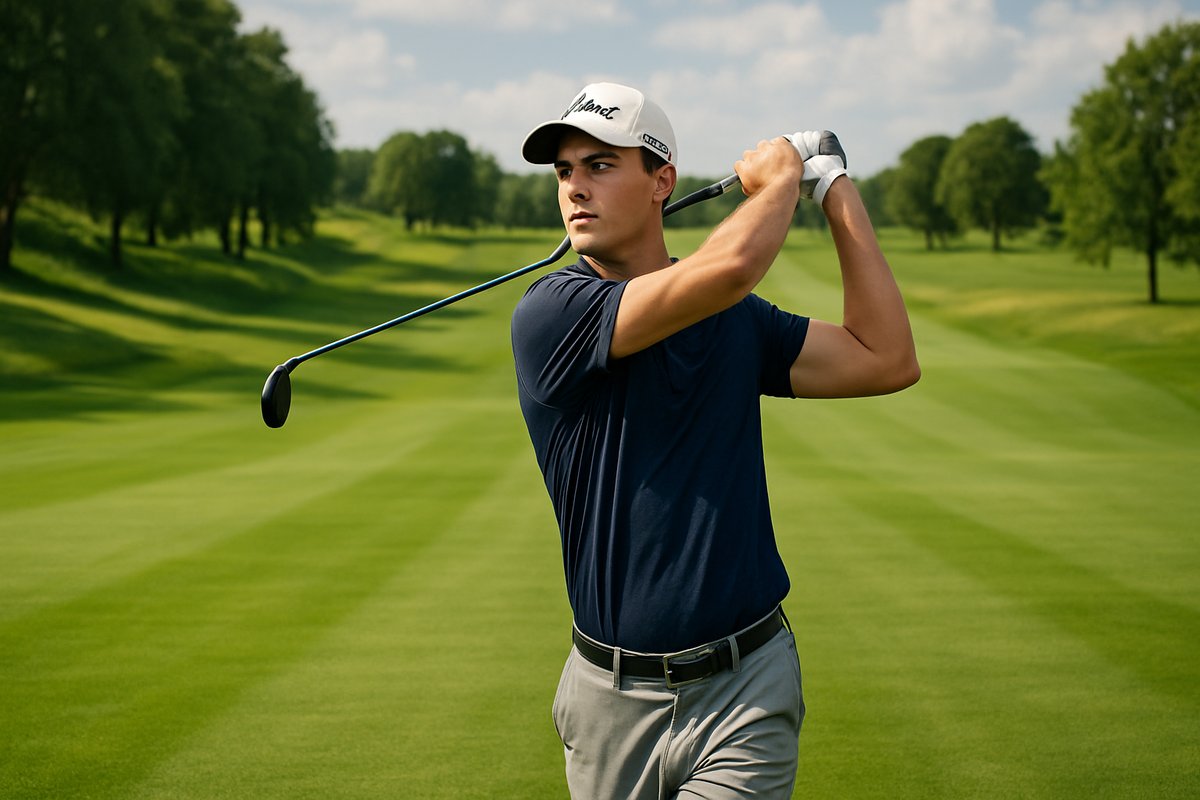
There’s something captivating about watching a young talent like Ludvig Åberg burst onto the scene, his game unfolding with that rare mix of raw power and quiet assurance. As someone who follows the golf world closely, his composure under pressure reminds me of the steady presence I’ve seen in so many standout professionals, the kind that turns a tense round into something almost meditative. Born on August 31, 1999, in Eslöv, Sweden, Åberg first swung a club at age seven, soaking up the crisp northern air and rolling fairways that define his home country’s deep golfing roots. Those early days on local courses built a swing rooted in smooth tempo, the kind you feel in your hands after hours of quiet practice amid pine-scented breezes.
I often think back to my own travels through Sweden a few seasons ago, where the light lingers long into the evening and the grass carries that fresh, earthy scent after a light rain. Åberg’s junior years there honed the distance off the tee that would become his signature, blending natural athleticism with a modern rotation that keeps everything stable yet explosive. Coaches spotted that early, guiding him toward drills that paired clubhead speed with pinpoint control, lessons any traveler on the fairways can appreciate when chasing consistency across new landscapes. By his teenage years, Åberg was competing at the highest levels of European junior golf, winning tournaments and earning selection to national teams that showcased Sweden’s emerging talent pool.
His move to Texas Tech University marked a pivotal chapter, where he claimed the 2023 individual NCAA Division I national championship after three standout seasons. The shift from Swedish greens to the sun-baked Texas plains must have sharpened his iron play and course management in ways that echo my own explorations of American layouts, like the wide-open stretches I’ve played in the Southwest with their relentless winds testing every decision. Multiple top finishes and All-American nods followed, along with international amateur events that built the mental resilience you see in his calm PGA Tour demeanor today. During his college years, Åberg also competed successfully in the Palmer Cup and other elite amateur events, proving he could perform against the world’s best young players on prestigious stages.
What stands out about Åberg’s college career is not just his individual accolades but his consistency across multiple seasons. He maintained a high level of play throughout his time at Texas Tech, never taking a year to “develop” or find his game—instead, he simply kept winning and improving. This speaks to a maturity of approach that goes beyond raw talent. His coaches emphasized course management and mental toughness alongside technical skill, a holistic development philosophy that has clearly transferred to his professional career.
Turning professional in June 2023, Åberg earned his card through the Korn Ferry Tour and Q-School, then delivered a rookie 2024 season full of promise. Multiple top-10 results led to his first PGA Tour victory at the Texas Children’s Houston Open, where his ball-striking and putting shone through. That win carried the same thrill I chase when discovering hidden gems abroad, the satisfying thud of a well-struck drive rolling toward the pin under open skies. The significance of that first victory cannot be overstated—it validated the hype surrounding him and proved he could close out tournaments against elite competition when the pressure mattered most.
His major debut at the 2024 Masters ended in a tie for fifth, contending late alongside seasoned names on Augusta’s famously fast greens and strategic bunkers. The sensory pull of that place, with its blooming azaleas and the soft hush of the pines, lingers even from afar. Later majors brought consistent top-20 finishes, hinting at bigger things ahead. In those high-stakes settings, Åberg balances caution with opportunity, a strategy that translates beautifully to weekend rounds when you’re weighing risks on unfamiliar terrain. What’s particularly impressive about his major championship performances is how he hasn’t wilted under the intense scrutiny and expectations that come with playing well early in your career—instead, he’s shown the mental fortitude to stay competitive and learn from each experience.
Key details round out the picture: at 6’3″, he averages over 310 yards off the tee with solid accuracy, reached the top 10 in the Official World Golf Ranking by mid-2024, and earned 2024 PGA Tour Rookie of the Year honors. His path from Swedish junior programs to elite contender speaks to smart development and dedication, the very qualities that make golf travel so rewarding as you chase your own growth across continents. Beyond these statistics, what makes Åberg truly special is his technical proficiency with every club in the bag. His iron play is particularly noteworthy—he displays the kind of precision and distance control that separates good players from great ones.
Looking at Åberg’s game from a technical standpoint, several elements contribute to his success. His driving accuracy is particularly impressive for someone who hits it so far, which is relatively rare at the professional level. Too many long hitters sacrifice accuracy for distance, but Åberg has managed to keep both at elite levels. His short game shows the hallmarks of countless practice hours, with solid chipping technique and a reliable putting stroke that doesn’t appear to have the yips or inconsistency that plagues many young professionals. Perhaps most valuably, his course management is mature beyond his years—he seems to understand risk and reward calculations intuitively, rarely making the aggressive mistakes that characterize younger players learning the tour.
The comparison to other young phenoms in golf is inevitable, yet Åberg carves his own path. Unlike some young stars who burst onto the scene with a single dominant skill, he presents a complete package: distance, accuracy, short-game touch, and mental composure. This well-rounded approach suggests his success won’t be a flash in the pan but rather the foundation for a sustained career at golf’s highest levels. As he navigates the challenges ahead—the pressure of living up to expectations, the inevitable stretches of inconsistency that all golfers face, and the physical demands of the modern tour schedule—his experience and maturity will serve him well.
As he builds on these early triumphs, Åberg stands poised as a future major force, inspiring players everywhere with his thoughtful approach to the game. The golf world should be watching closely as this young Swede continues to write his story on the world’s greatest stages.